Here our one day trip you can try




Or You can customize your trip with our team. We will serve you best experience in Bali

Get new experience during your holidays in Bali
Here our one day trip you can try
Or You can customize your trip with our team. We will serve you best experience in Bali
Full Description
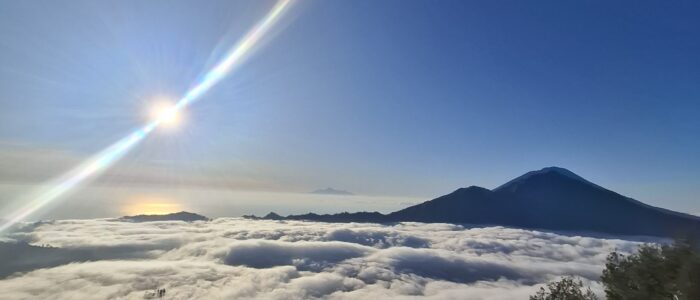
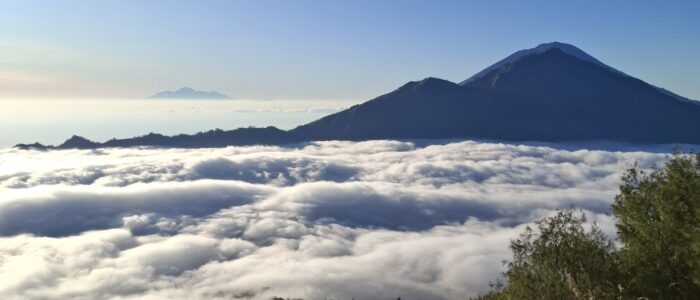
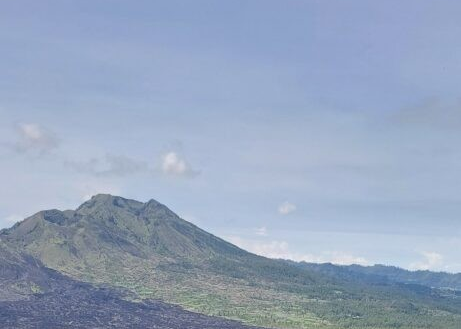
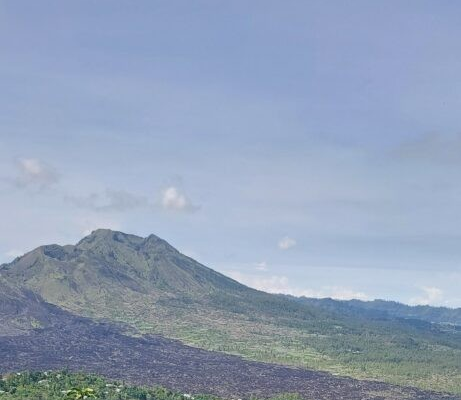
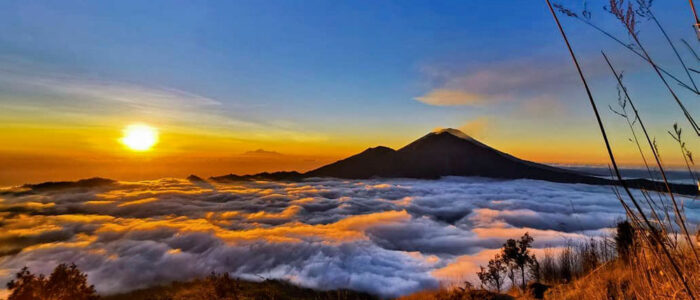
Mount Batur is an active volcano located in the Kintamani region of Bali, Indonesia. It is renowned for its stunning natural scenery and is a popular tourist destination in Bali.
Features and Information about Mount Batur:
Climbing Mount Batur is an exciting and rewarding experience, offering a mix of adventure and stunning natural beauty from the start of the trek to reaching the summit. Here are some of the thrilling aspects of the journey:
The climb up Mount Batur combines physical challenge with extraordinary visual rewards, making it a highly fulfilling activity for nature lovers and adventurers alike.
For any inquiries or to arrange a cash-on-delivery payment, please reach out to our customer service team, available 24/7.
A water spot is a designated area or location where various water-based activities and attractions are available. These spots are typically chosen for their favorable conditions, such as clear waters, suitable depths, and safety measures, to offer a range of recreational experiences.
Features of a Water Spot:
Water spots are designed to maximize enjoyment and safety for various water-based activities, making them popular destinations for both adventure-seekers and those looking to relax by the water.
Tanjung Benoa, located in southern Bali, is renowned for its exciting and diverse water activities. Here are some popular water activities you can enjoy in Tanjung Benoa:
Tanjung Benoa is the perfect place for a range of exciting water activities and ocean adventures in Bali.
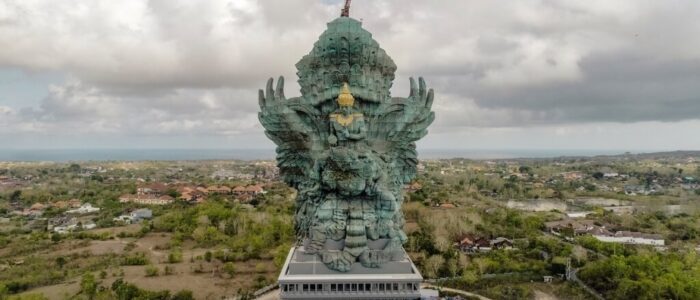
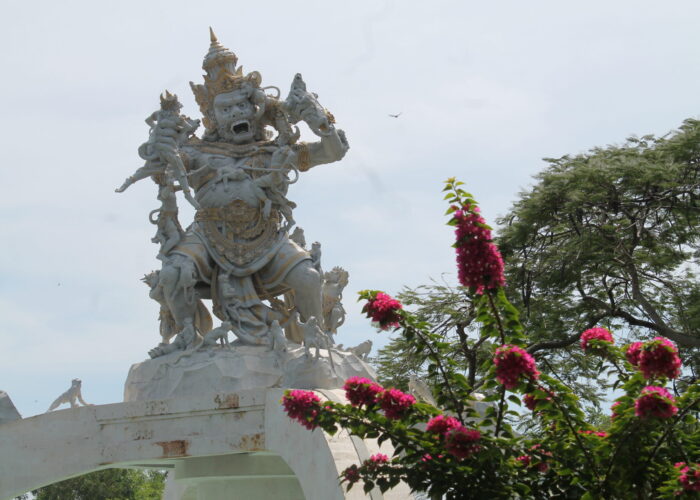
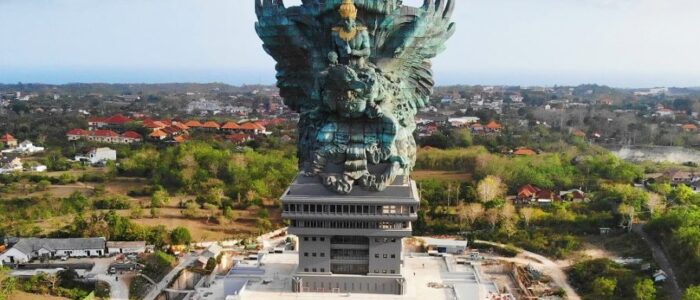
Garuda Wisnu Kencana (GWK) is a cultural complex and tourist destination located in Ungasan, Bali. It is renowned for its massive statue of Garuda Wisnu Kencana, one of the largest statues in the world and a significant symbol in Balinese culture.
Garuda Wisnu Kencana:
GWK is a major destination for those wanting to explore Balinese culture and witness one of the largest art pieces in the world.
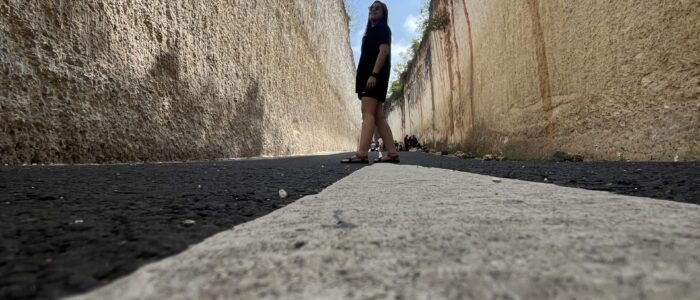
Tanah Barak is a scenic tourist destination located in Pecatu Village, Bali. Known for its stunning natural beauty, Tanah Barak offers a serene and picturesque experience away from the main tourist crowds.
Tanah Barak:
Tanah Barak is a great destination for those seeking natural beauty and a peaceful atmosphere, away from the typical tourist spots.
For any inquiries or to arrange a cash-on-delivery payment, please reach out to our customer service team, available 24/7.

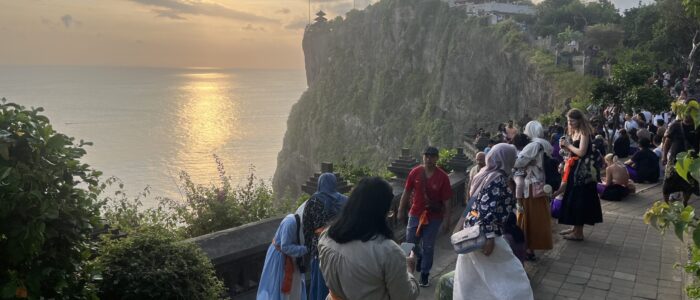
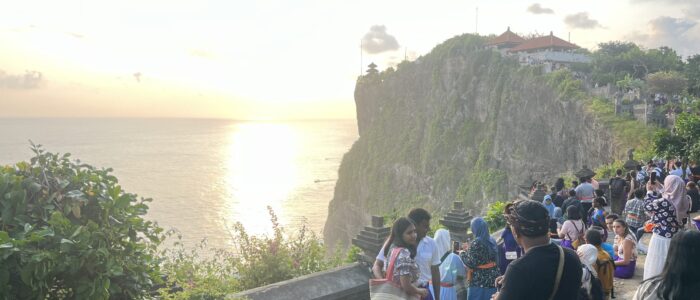
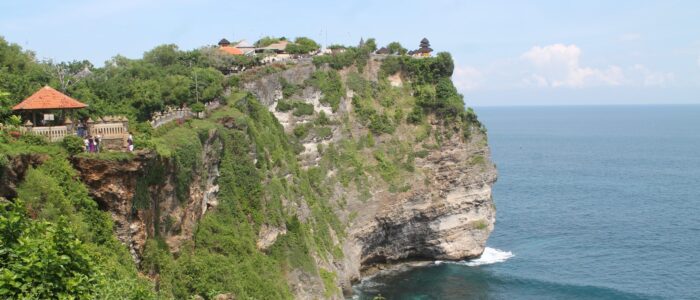
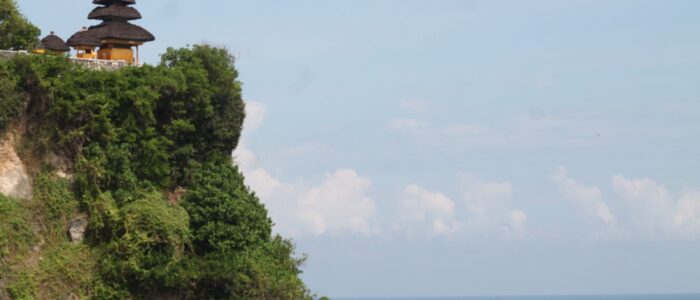
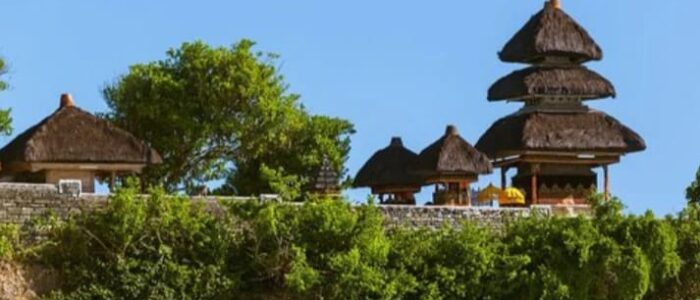
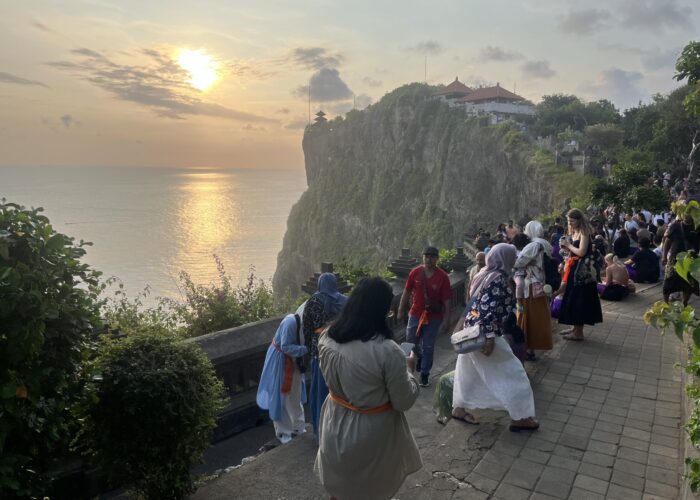
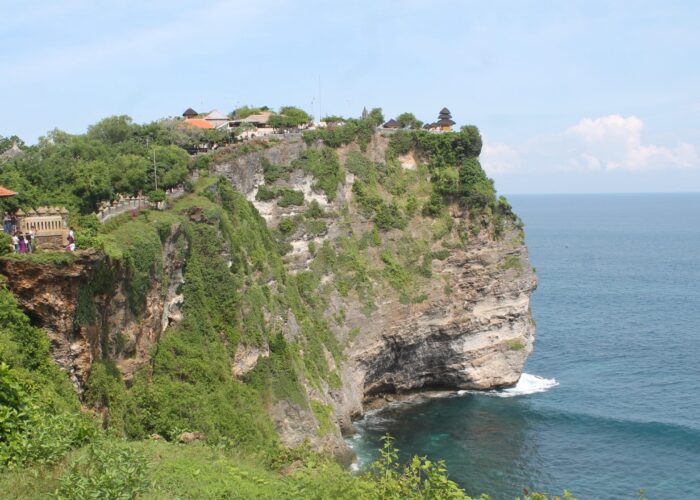
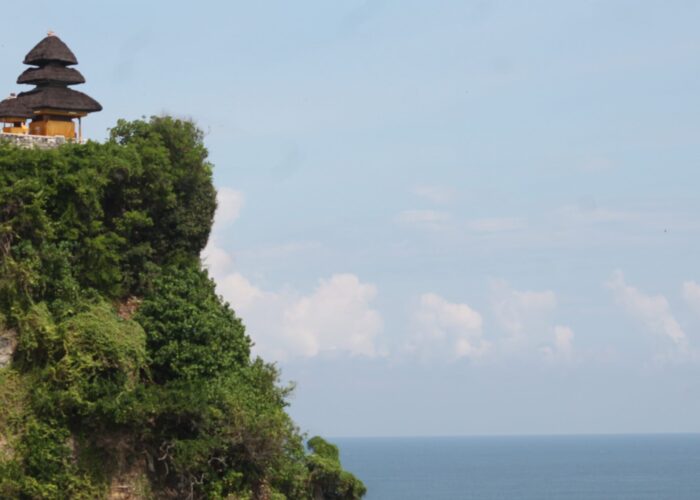
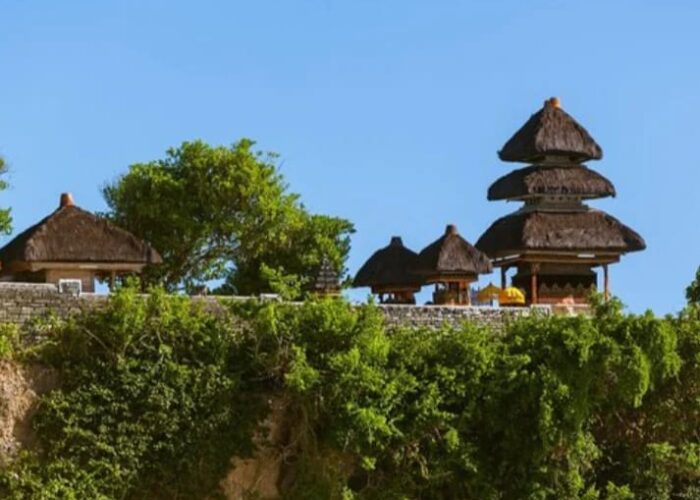
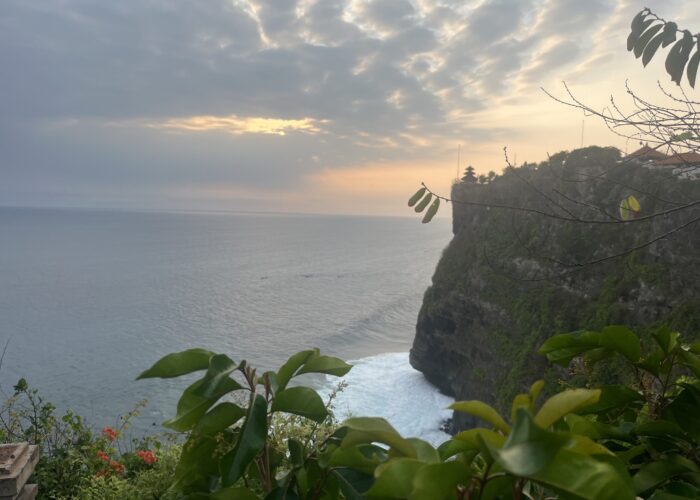
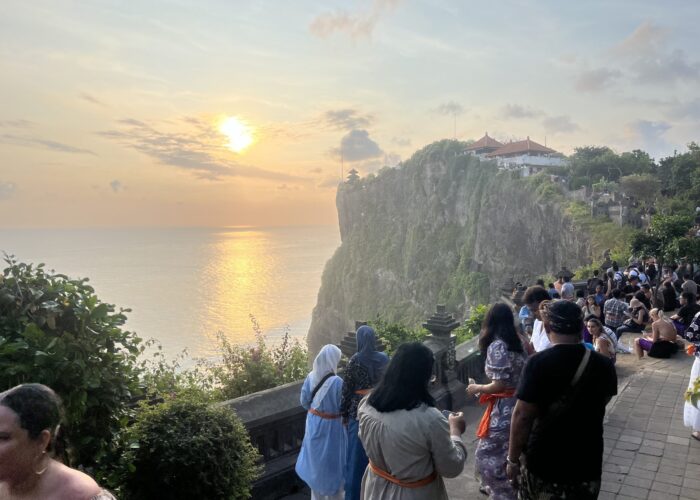
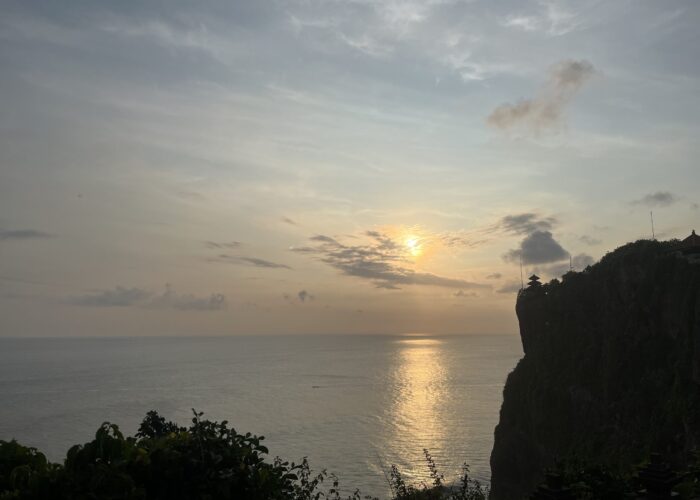
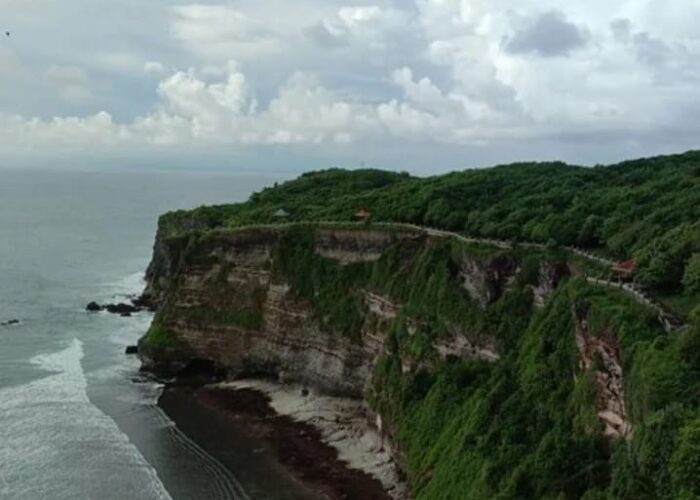
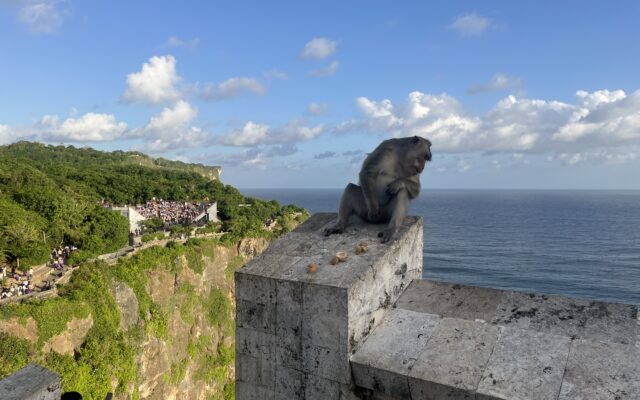
Pura Uluwatu, also known as Pura Luhur Uluwatu, is one of Bali’s most significant and iconic temples. Located at the southern tip of the island, perched on a dramatic clifftop overlooking the Indian Ocean, the temple offers breathtaking views and serves as a major spiritual and cultural center.
The temple is renowned for its stunning location, situated about 70 meters above sea level. It is one of the six key temples that are believed to safeguard the spiritual power of Bali and is dedicated to the god Shiva.
The temple complex consists of several parts, including the main entrance gate known as “Candi Bentar,” an intricately carved gateway that leads into the inner temple area. Inside the complex, there are important structures such as Pura Penataran Agung, the main temple, along with various other sacred altars and buildings.
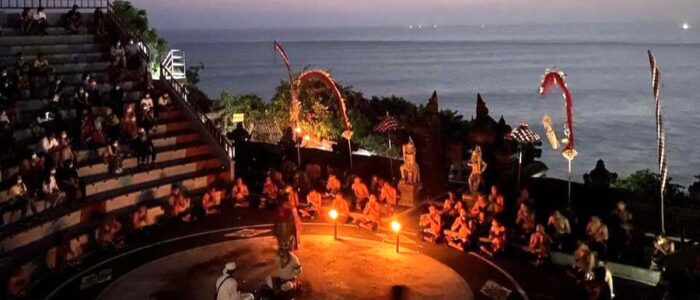
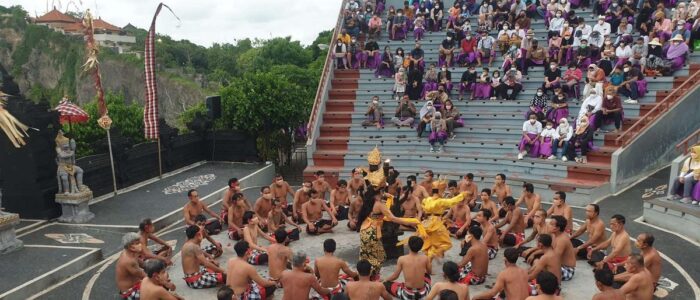
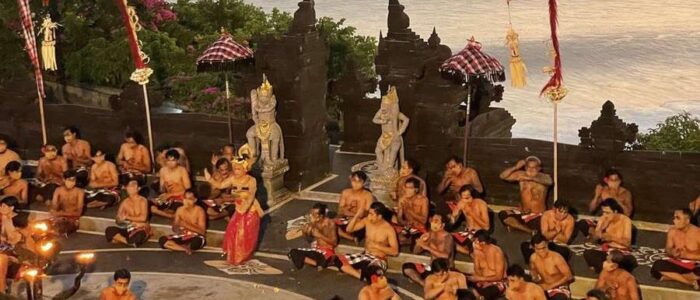
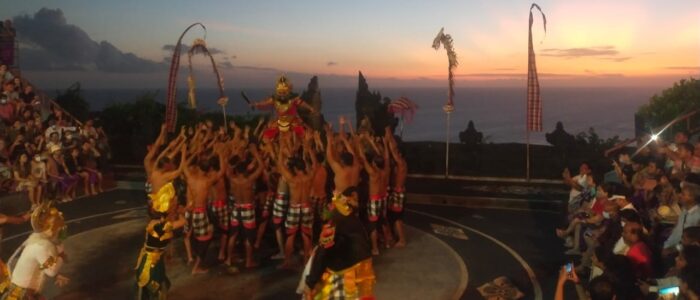
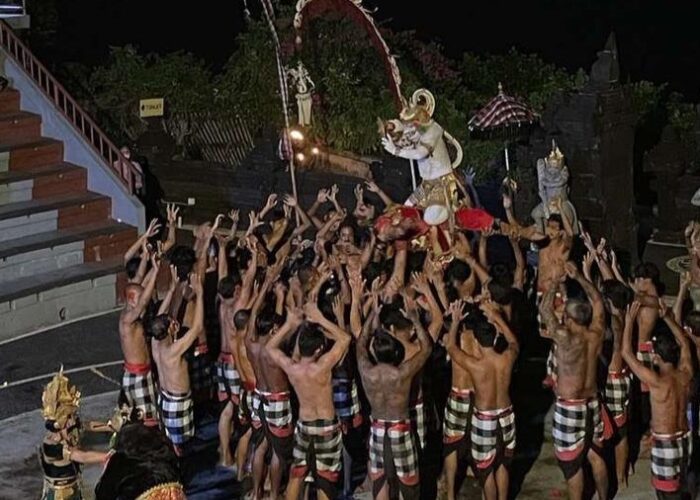
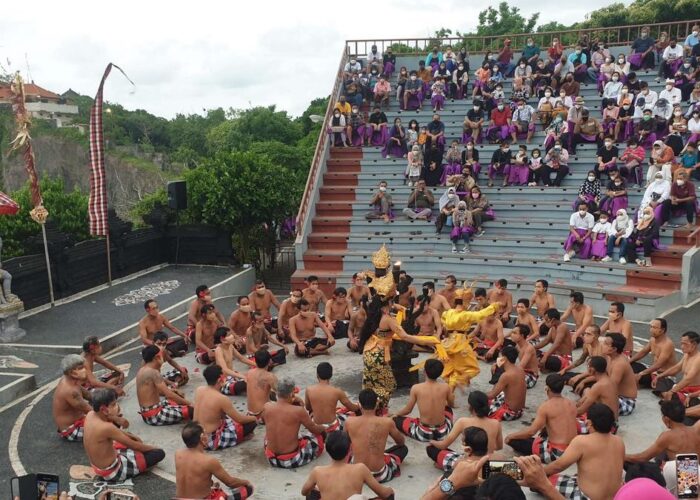
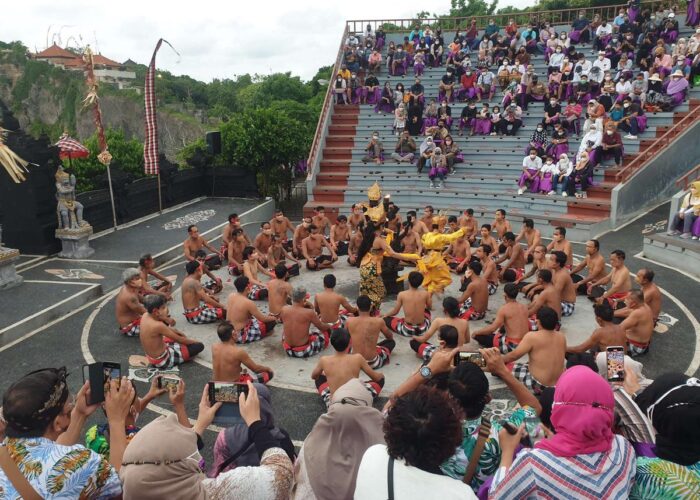
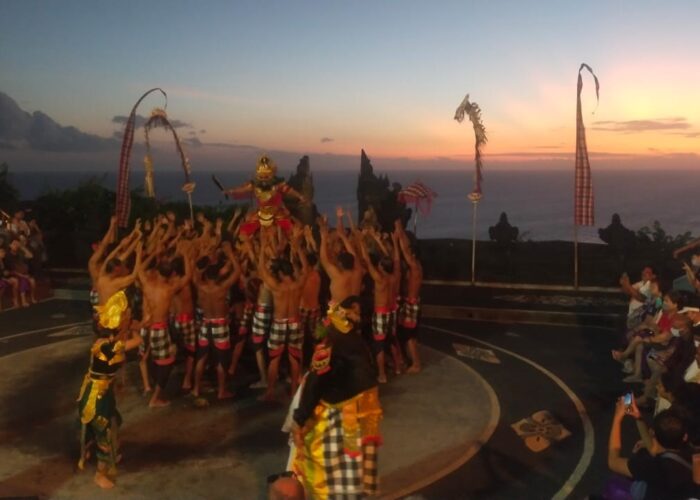
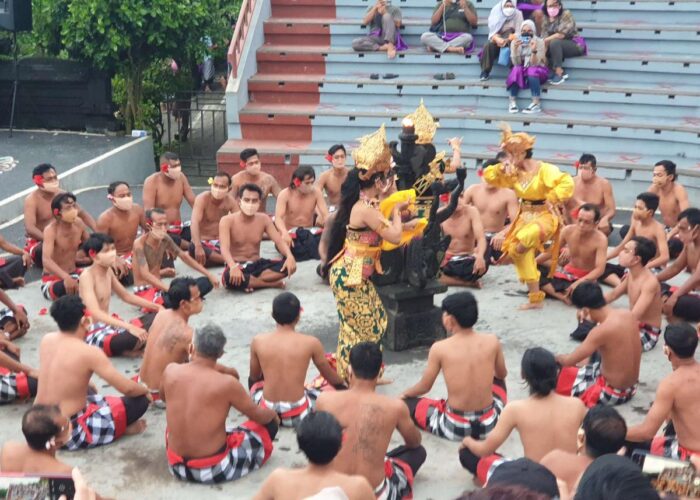
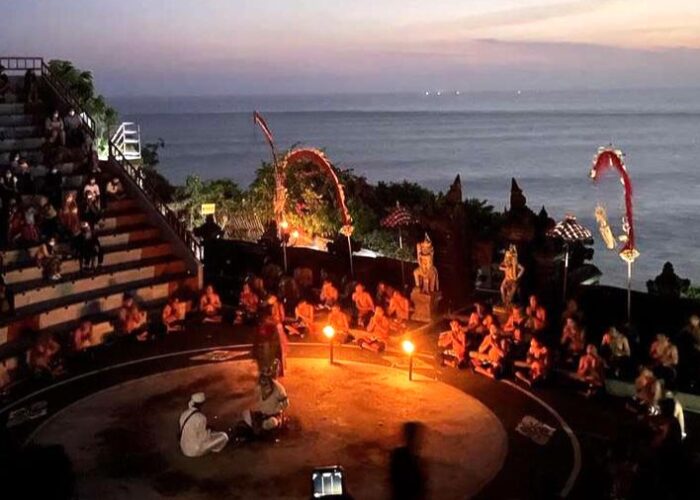
Pura Uluwatu is also famous for its Kecak Dance performance, held every evening at sunset. The Kecak Dance features a group of male dancers performing a rhythmic “cak” chant, reenacting scenes from the epic Ramayana. The performance takes place on an open-air stage with the stunning backdrop of the setting sun over the Indian Ocean.
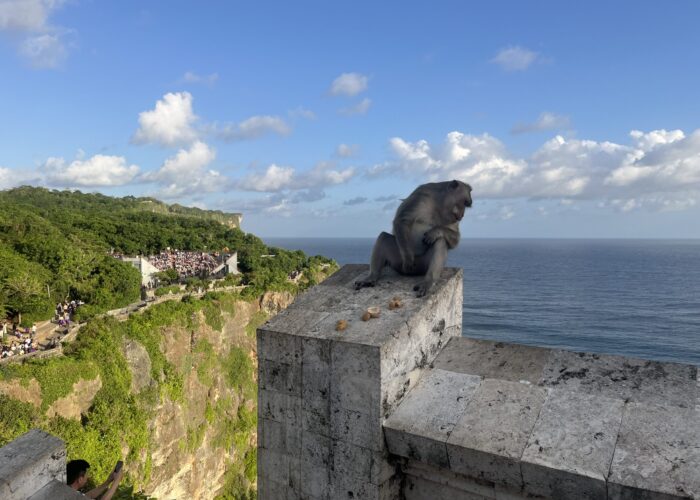
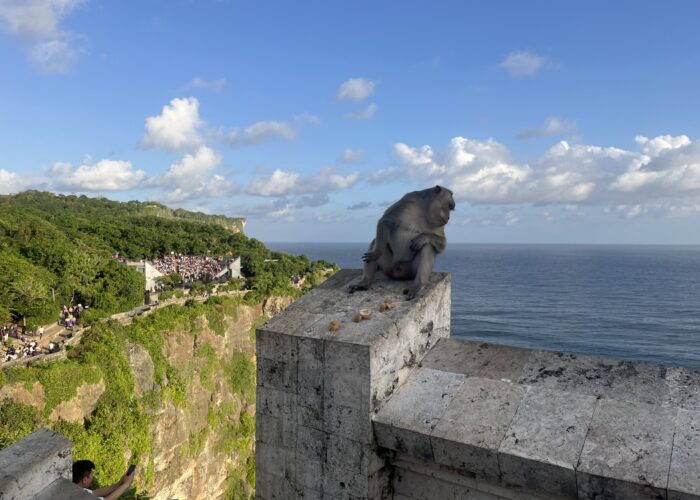
Additionally, Pura Uluwatu is a popular destination for both worshippers and tourists, who come to pray and enjoy the natural beauty. Visitors can also explore the surrounding area, which is inhabited by playful monkeys, adding an extra attraction to the visit.
Overall, Pura Uluwatu offers a perfect blend of natural beauty, cultural richness, and Balinese spirituality. Its spectacular views and captivating dance performances make it a must-visit destination in Bali.
Uluwatu Temple
Pura Uluwatu, or Luhur Uluwatu Temple, is a renowned Balinese Hindu temple located on a steep cliff in southern Bali, overlooking the Indian Ocean. It’s known for its dramatic setting and spiritual significance, making it one of Bali’s key temples.
Pura Uluwatu is a must-visit for anyone interested in Balinese culture, spirituality, and stunning natural landscapes.
Kecak dance
The Kecak Dance performance at Uluwatu Temple is a mesmerizing cultural experience in Bali. Located on a cliff overlooking the Indian Ocean, Uluwatu Temple offers a dramatic backdrop and stunning sunset views that enhance the performance.
What to Expect from the Kecak Dance at Uluwatu:
The Kecak Dance at Uluwatu Temple is a fantastic way to immerse yourself in the beauty of Balinese culture and spirituality in a breathtaking setting.
For any inquiries or to arrange a cash-on-delivery payment, please reach out to our customer service team, available 24/7.
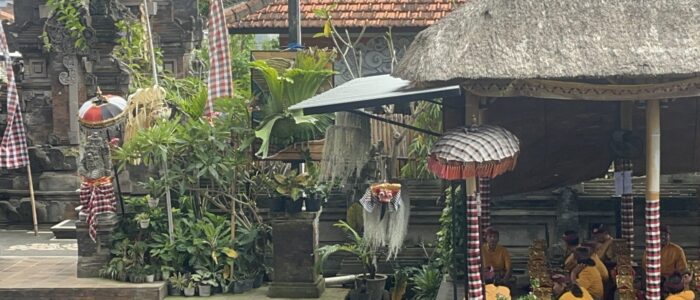
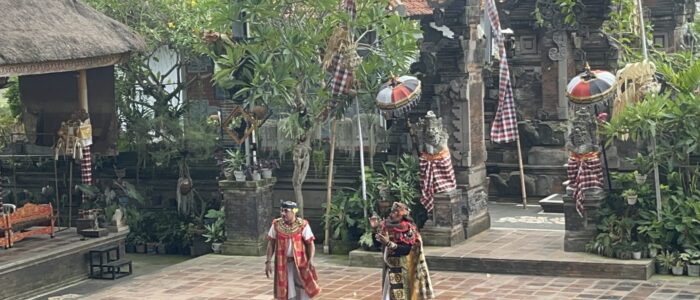
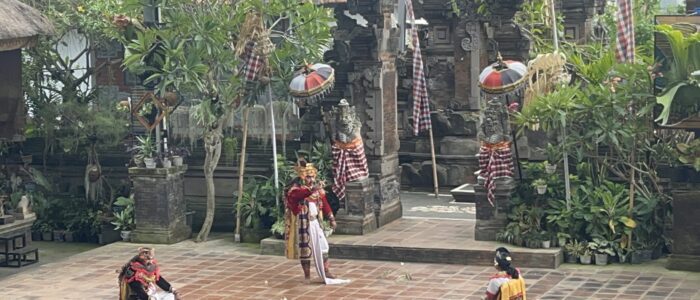
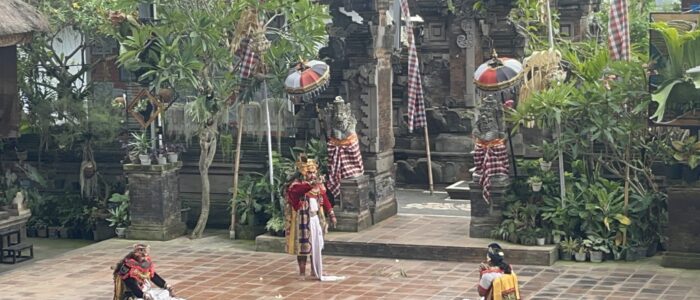
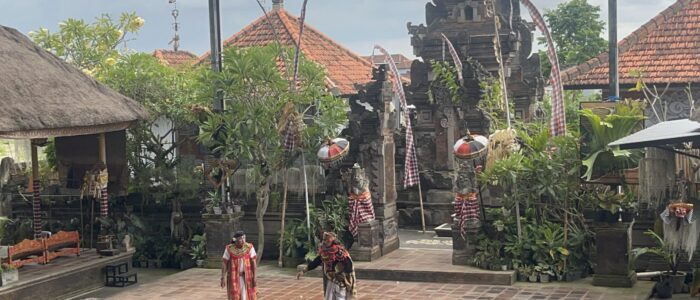
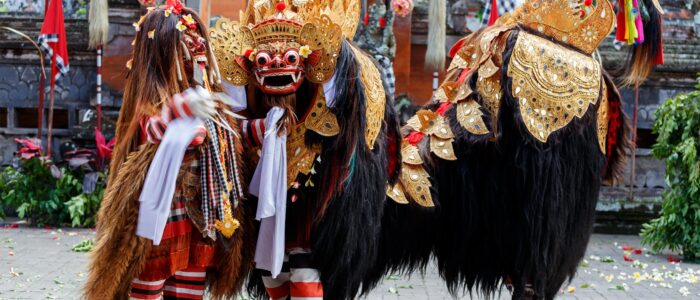
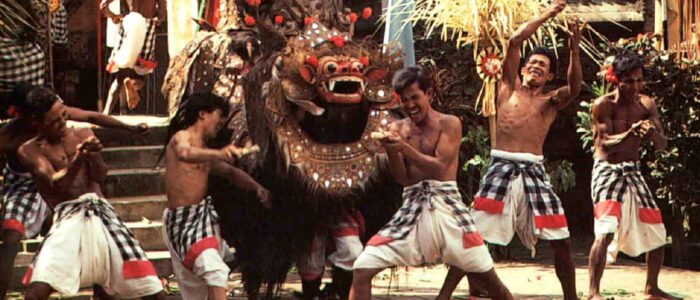
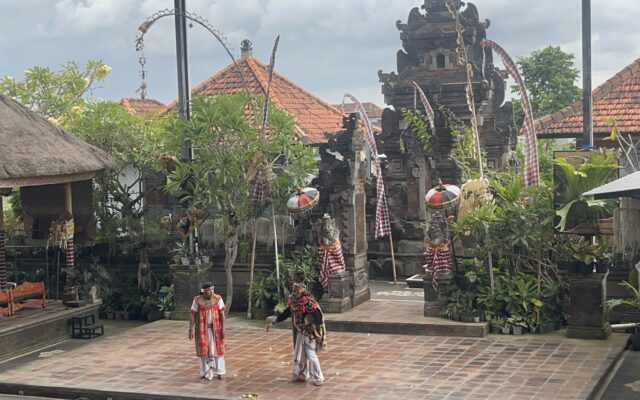
The Barong Dance is one of Bali’s most iconic traditional performances, representing a vital part of Balinese cultural and spiritual life. This dance is often showcased during religious ceremonies and festivals, reflecting the island’s rich heritage.
Barong is depicted as a mythological creature, symbolizing the forces of good that combat evil spirits. In the performance, Barong is usually portrayed by a dancer wearing an elaborate costume resembling a lion or lion-like creature, adorned with intricate decorations and vibrant colors. The costume often includes long hair and beard, creating a majestic and impressive appearance.
The Barong Dance typically features two main characters: Barong and Rangda. Rangda represents the evil spirit in Balinese mythology. The dance dramatizes the battle between Barong, who embodies goodness, and Rangda, who embodies malevolence, symbolizing the eternal struggle between good and evil. In the story, Barong and his followers strive to protect the community from Rangda’s threats with magical powers and bravery.
During the performance, the dancers execute energetic and dynamic movements, accompanied by traditional Balinese gamelan music. This music enhances the power and rhythm of the dance, while the colorful and intense choreography adds visual splendor.
The Barong Dance is more than just a performance; it carries deep spiritual significance. It reflects Balinese cultural values, spiritual beliefs, and the relationship between humans and the spirit world. Watching the Barong Dance provides a glimpse into the rich cultural tapestry of Bali and offers insight into the symbolic meanings embedded in the island’s daily life.
Barong Dance
Barong dance is one of Bali’s most famous and culturally significant traditional dances, embodying the eternal struggle between good and evil. The dance features Barong, a mythical lion-like creature symbolizing good, and Rangda, a fearsome witch representing evil. This dynamic performance is rich in elaborate costumes, intricate choreography, and vibrant music played by a gamelan orchestra. The Barong costume, often operated by two dancers, is adorned with ornate carvings, mirrors, and a flowing mane, creating a mesmerizing and captivating presence on stage.
The narrative of the Barong dance is drawn from Balinese mythology and often depicts scenes from the epic tale of the Mahabharata. It involves dramatic and theatrical battles between Barong and Rangda, with the storyline reflecting the philosophical balance of good and evil in the universe. The dance is not only a form of entertainment but also a spiritual performance that plays an essential role in Balinese culture and religious rituals. Performed at various temple festivals and cultural events, the Barong dance offers both locals and tourists an enchanting glimpse into Bali’s rich artistic and spiritual traditions.
Batuan temple
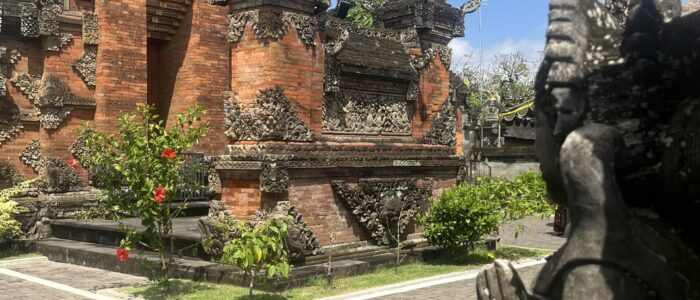
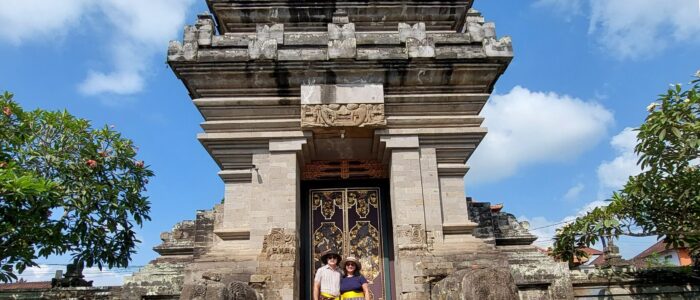
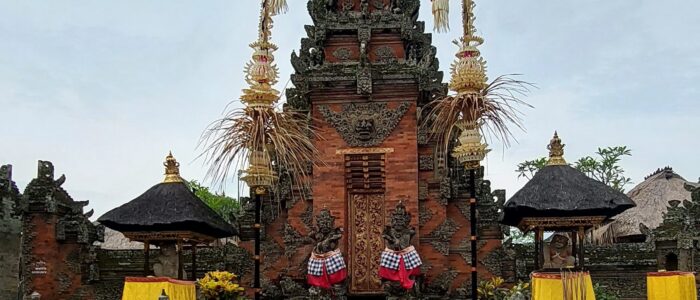
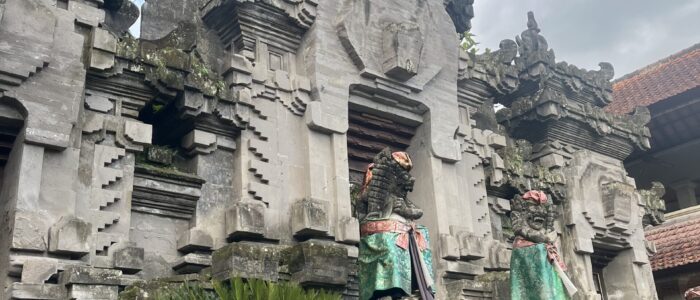
Pura Puseh Batuan is a significant temple located in the village of Batuan, about 10 kilometers from Ubud in Bali. This temple is renowned for its exquisite traditional Balinese architecture and serves as a central hub for religious and cultural activities in the local community.
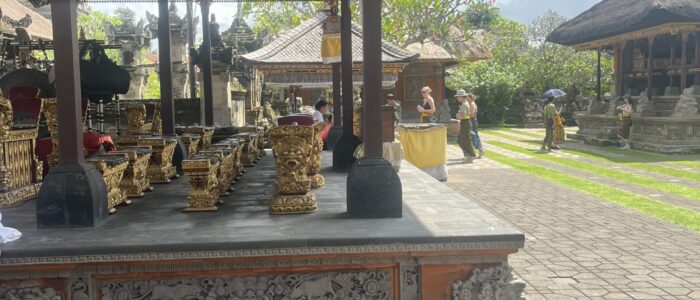
The temple features stunning traditional Balinese design, characterized by intricate carvings and detailed ornamentation. The main structure of Pura Puseh Batuan includes several components, such as meru (tiered pagodas), pelinggih (altars), and the central temple building surrounded by stone walls. Each architectural element is meticulously crafted, showcasing the elegance and artistry of Balinese craftsmanship.
Within the temple complex, there are various structures serving different purposes, such as Bale Dangin (a pavilion for ceremonial events), Bale Sakenan (a prayer hall), and Candi Bentar (decorative gateway). The temple also boasts a spacious courtyard that is often used for religious ceremonies and festivals.
One of the main attractions of Pura Puseh Batuan is the extensive stone carvings that adorn almost every wall of the temple. These carvings depict various Balinese mythological motifs, including epic tales, deities, and mythical creatures, reflecting the island’s religious beliefs and cultural history.
Pura Puseh Batuan is also known for its religious ceremonies, including purification rituals and offerings. These ceremonies are not only spiritual practices but also occasions for the local community to celebrate and preserve their cultural traditions.
Overall, Pura Puseh Batuan is a valuable destination for those wishing to gain a deeper understanding of Balinese culture and religion, while enjoying the captivating beauty of its architecture and intricate carvings.
Goa gajah Temple
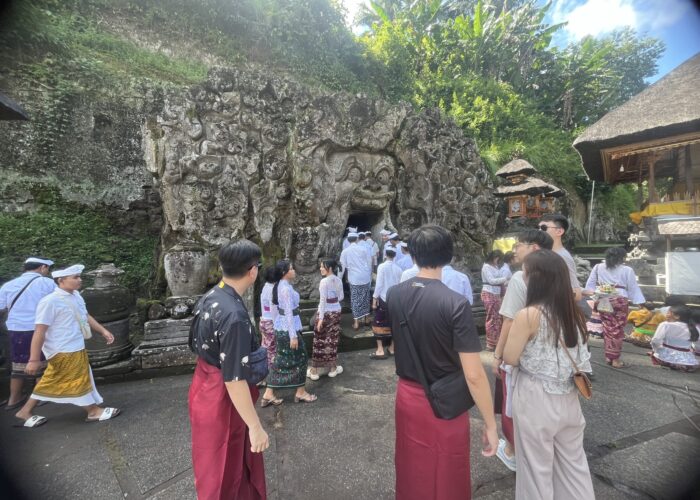
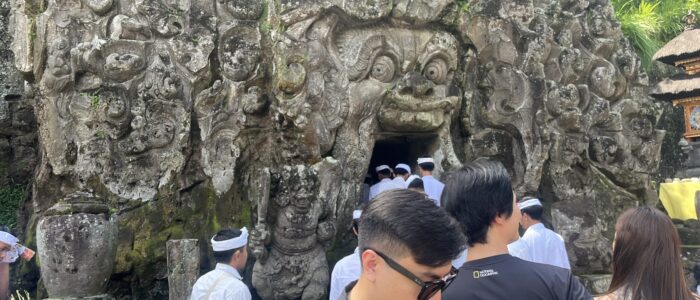
Goa Gajah, also known as the Elephant Cave, is a historic and spiritual site located near Ubud, Bali. Renowned for its ancient cave and archaeological significance, Goa Gajah is an important religious and cultural landmark.
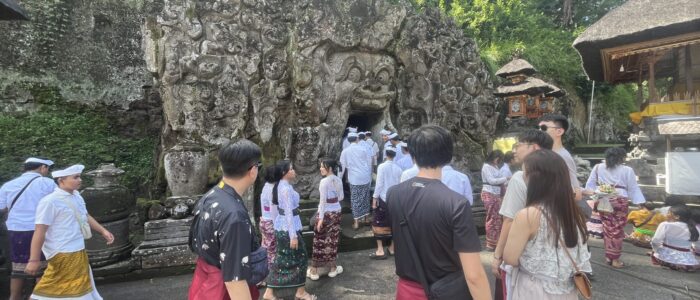
The cave, carved into a cliff face, features an intricately detailed entrance resembling a giant’s face with a gaping mouth. Believed to have been used for meditation and religious activities since the 11th or 12th century, it stands as an outstanding example of ancient Balinese stone carving.
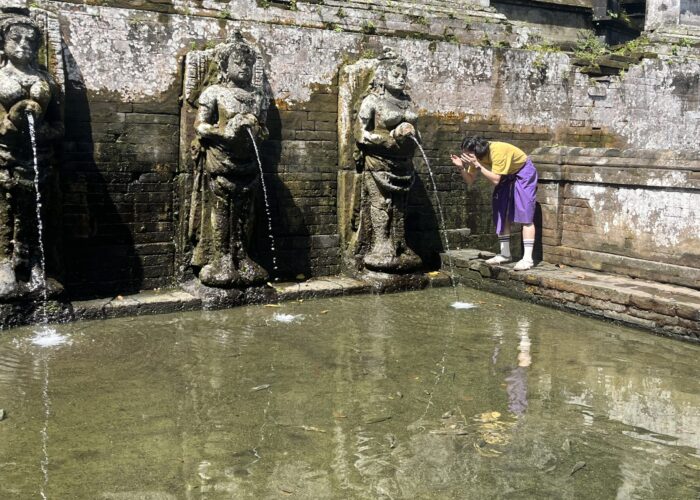
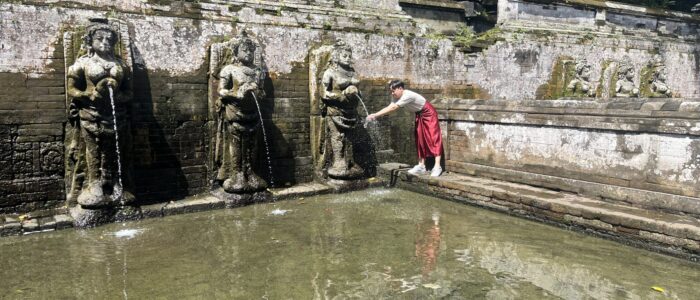
Inside the cave, there are several altars and spaces used for worship. The Goa Gajah complex also includes a beautiful garden with ancient bathing pools and various architectural structures. The bathing pools, known as “Taman,” consist of several ponds with sacred water believed to have healing properties.
In addition to the cave and bathing pools, the surrounding area features various stone statues and small temples that enhance the site’s beauty. These statues depict Hindu deities and mythical creatures, reflecting Balinese beliefs and culture.
Goa Gajah offers a rich blend of historical and spiritual beauty, providing an opportunity to explore Bali’s cultural heritage while enjoying a serene and tranquil environment. The site is a popular destination for visitors interested in delving deeper into Bali’s history and religious practices.
For any inquiries or to arrange a cash-on-delivery payment, please reach out to our customer service team, available 24/7.

Rafting is an adrenaline-pumping water sport where you navigate through fast-flowing rivers using an inflatable raft. This activity offers the perfect blend of adventure and natural beauty, making it an unforgettable experience for thrill-seekers.
During rafting, you’ll paddle with your team through challenging rapids, maneuvering around large rocks, and following the river’s twists and turns. Each bend brings a new surprise, whether it’s stronger currents or breathtaking scenery. Amid the heart-pounding excitement, you’ll be treated to views of lush valleys, tropical forests, and waterfalls cascading down from towering cliffs.
This activity not only tests your courage and paddling skills but also strengthens teamwork, as successfully navigating the rapids depends on good coordination among participants.
Rafting is perfect for anyone looking to experience the thrill of adventure while enjoying nature’s beauty from a unique perspective. Whether you’re a beginner or experienced, rafting offers a fun and exhilarating challenge, creating memories that will last a lifetime.
Water Activity Rafting
Rafting on the Ayung River in Bali is one of the island’s top adventure experiences. Located near Ubud, the Ayung River offers spectacular scenery and thrilling river currents, making it a favorite destination for rafting enthusiasts from around the world.
As you raft down the Ayung, you’ll encounter a variety of rapids, ranging from gentle to more exhilarating. The strong currents, large boulders, and challenging rapids will get your adrenaline pumping. Amidst the excitement, you’ll also be treated to breathtaking natural views, including dense tropical forests, towering cliffs adorned with stone carvings, and cascading waterfalls.
One unique highlight of rafting on the Ayung River is the long stretch of cliffside carvings that depict the epic tale of the Ramayana. These carvings add a cultural and historical dimension to your rafting journey, making it not only adventurous but also rich in cultural significance.
Rafting on the Ayung River is suitable for all ages and skill levels, from beginners to experienced rafters. With experienced guides leading each raft, you can feel secure while enjoying the challenges and natural beauty that the Ayung River offers. This experience will create unforgettable memories and leave you wanting to return for more adventure.
ATV BIKE
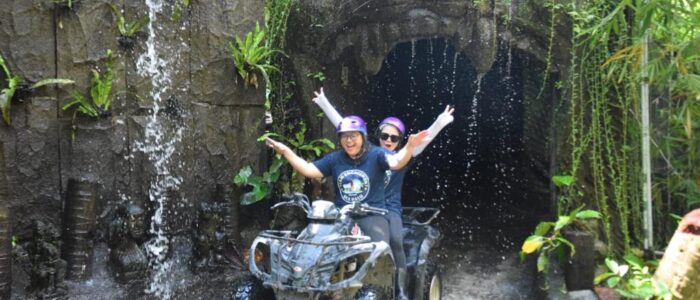
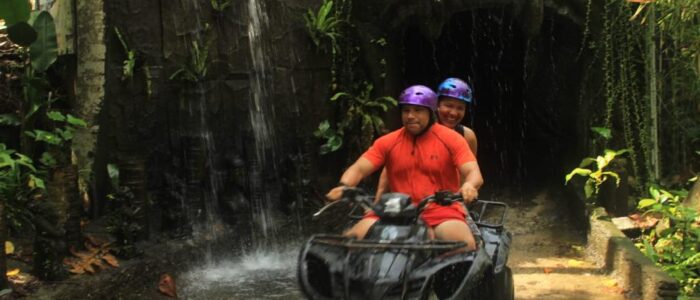
An ATV (All-Terrain Vehicle) bike, also known as a quad bike, is an off-road vehicle designed to navigate a wide range of challenging terrains. With its four large wheels and robust suspension system, an ATV provides exceptional stability and control, even on rough surfaces like mud, sand, rocks, and dense forests.
Riding an ATV is an adrenaline-fueled experience, allowing you to explore natural trails that are difficult to access with regular vehicles. Equipped with a powerful engine, an ATV enables riders to conquer steep inclines, cross small rivers, and traverse rocky paths with ease.
ATVs are also easy to handle, making them suitable for riders of all experience levels, from beginners to seasoned adventurers. With responsive steering and strong brakes, riders can adjust speed and direction to match the terrain conditions.
Using an ATV also gives you the freedom to enjoy the outdoors up close and personal, as you can explore hidden spots that are inaccessible by standard vehicles. ATV adventures typically take place in mountainous areas, forests, or along coastlines, offering stunning natural scenery while delivering an unmatched riding sensation.
Overall, riding an ATV is a fun and challenging way to enjoy the outdoors, while testing your driving skills across diverse terrains.
For any inquiries or to arrange a cash-on-delivery payment, please reach out to our customer service team, available 24/7.
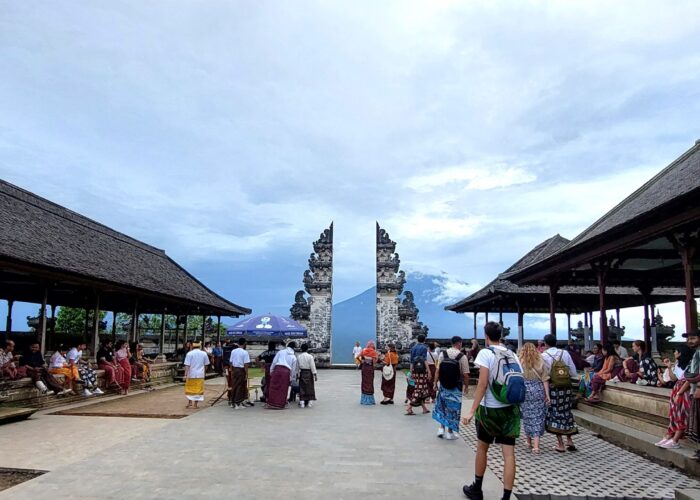
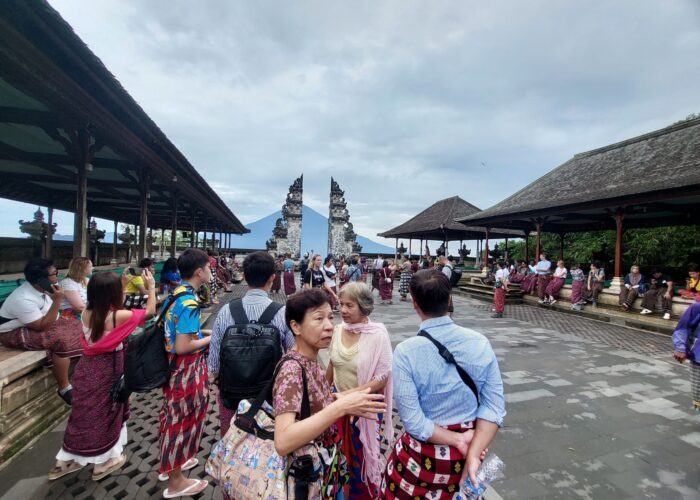
Lempuyang temple
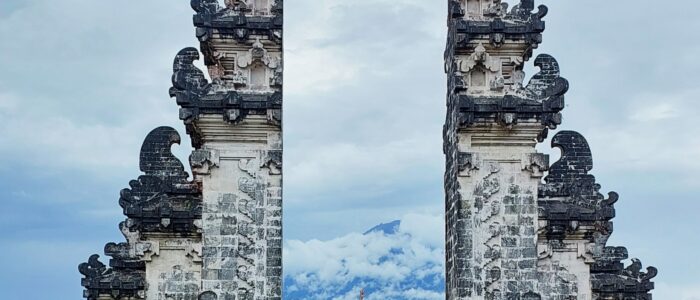
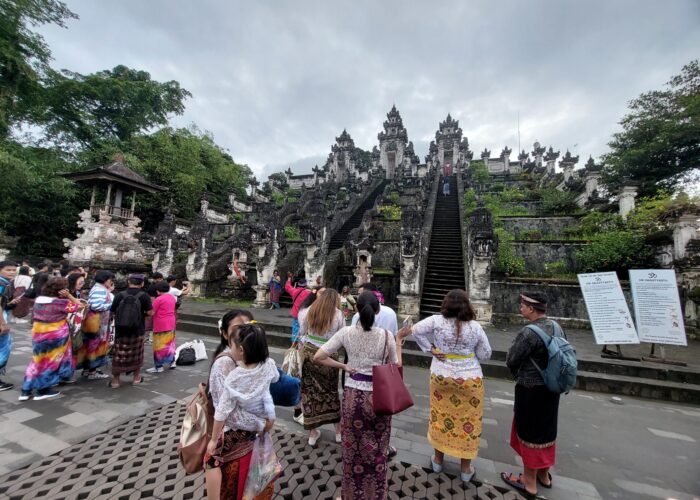
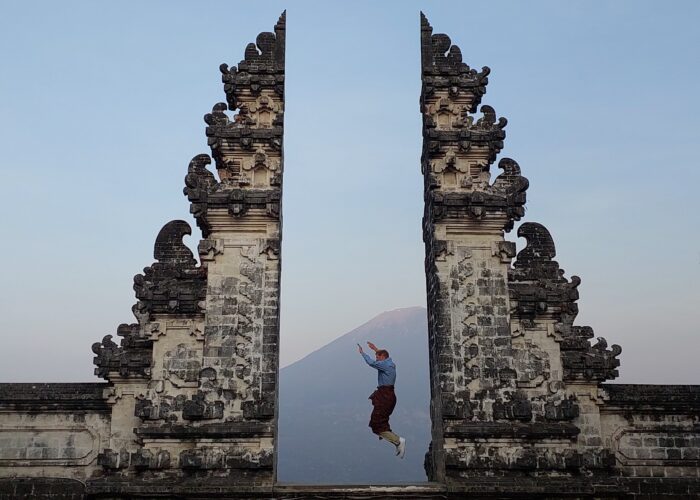
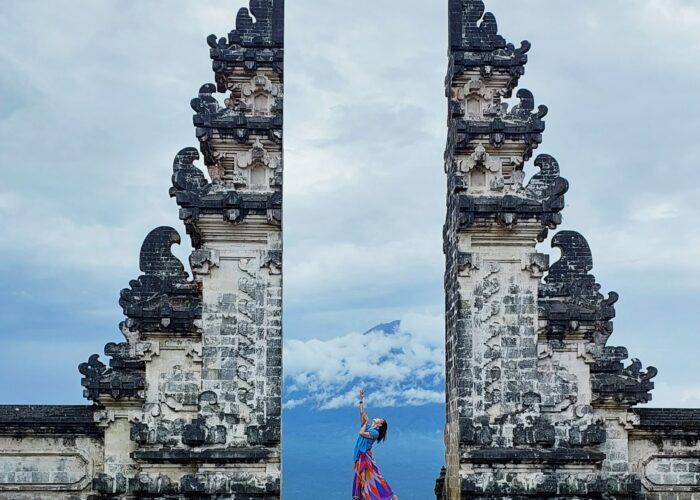
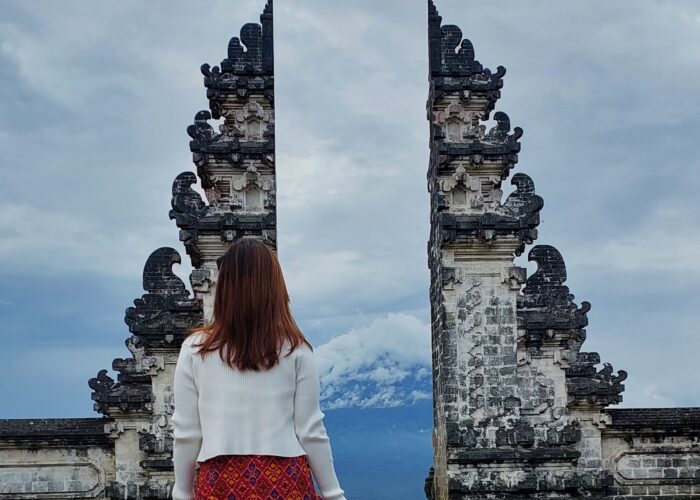
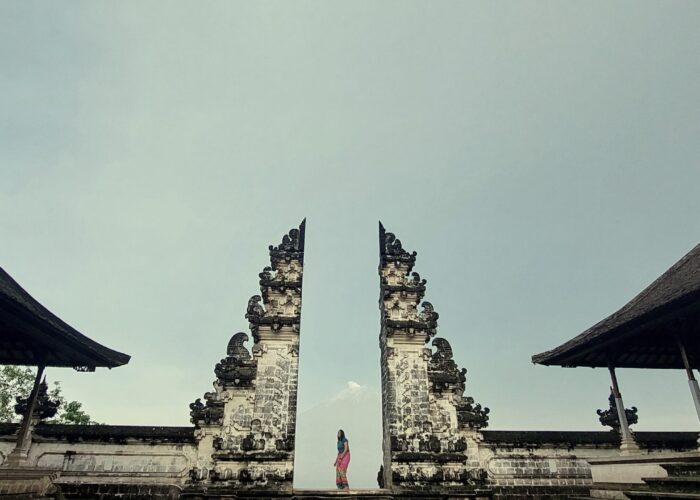
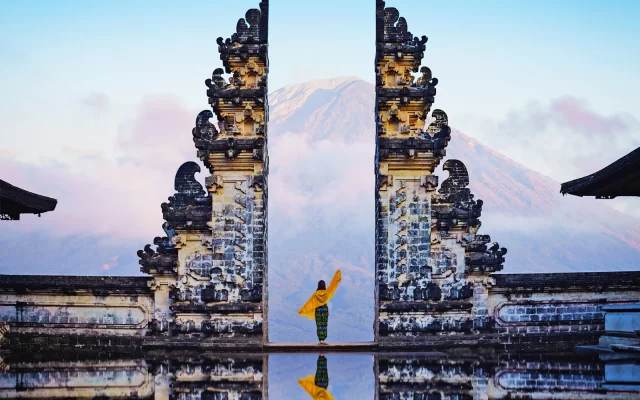
Lempuyang Temple, known as Pura Lempuyang Luhur, is one of Bali’s oldest and most sacred temples, located on the slopes of Mount Lempuyang in East Bali. The temple is renowned for its stunning gateway, often referred to as the “Gates of Heaven,” which perfectly frames the majestic Mount Agung in the background on clear days. This iconic view has become a popular spot for photography, attracting visitors from around the world who seek to capture its ethereal beauty. The temple complex comprises seven sanctuaries, each requiring a hike to reach, offering a serene and spiritually uplifting experience.
The journey to Pura Lempuyang Luhur is an adventure in itself, as it involves climbing over 1,700 steps through lush tropical forests, with panoramic views of the surrounding landscape. Along the way, visitors can encounter various smaller temples and shrines, each with its own unique charm and spiritual significance. The area around Lempuyang Temple is also rich in natural beauty, with nearby attractions such as Tirta Gangga, a royal water palace known for its ornate gardens and water features, and the serene rice terraces of Tenganan Village. This combination of cultural heritage and natural splendor makes a tour of Pura Lempuyang and its surroundings a memorable and enriching experience.
Snorkling at padang bay
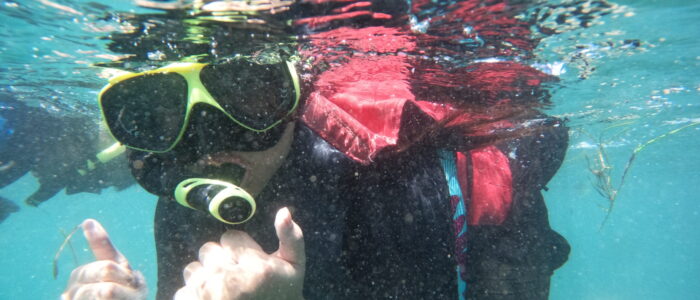
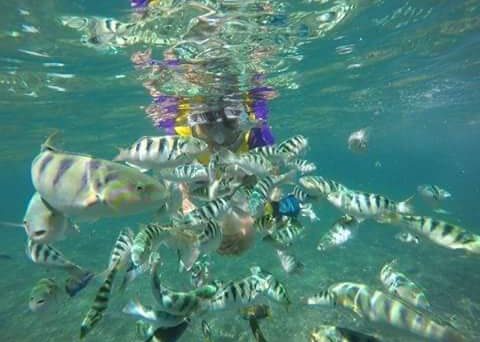
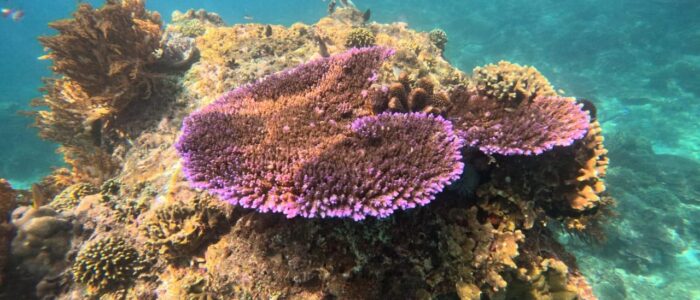
Padang Bay, located on the eastern coast of Bali, is one of the premier snorkeling destinations offering an unforgettable underwater experience. Its crystal-clear waters, with shades of turquoise, provide an incredible view into a vibrant underwater world.
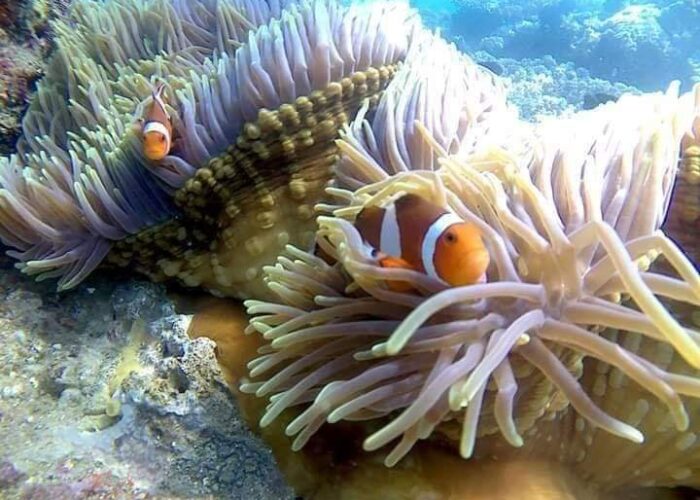
While snorkeling in Padang Bay, you’ll encounter colorful coral reefs teeming with various tropical fish species such as clownfish, angelfish, and parrotfish, swimming freely among the corals. Additionally, you may spot other marine life like turtles, octopuses, and occasionally friendly reef sharks.
One of the most famous snorkeling spots in Padang Bay is Blue Lagoon, renowned for its calm waters and stunning coral formations. The gentle ocean currents here make snorkeling comfortable for both beginners and experienced snorkelers.
Snorkeling in Padang Bay offers a chance to enjoy the beauty of Bali’s underwater life without needing to dive too deep. This experience is suitable for all ages and is ideal for those looking to immerse themselves in Bali’s marine beauty in a peaceful and serene setting.
Pura lempuyang ( heaven’s gate)
Pura Lempuyang, nestled in the lush forests of eastern Bali, holds a sacred place in the hearts of Balinese Hindus and is renowned for it
s iconic “Gates of Heaven” (Pura Penataran Agung Lempuyang). Legend has it that this temple complex, comprising several smaller temples spread across the slopes of Mount Lempuyang, dates back over a thousand years and is one of Bali’s oldest and holiest sites. According to local mythology, the temple was established by the sage Mpu Kuturan, who imbued it with spiritual significance and mystical energy.
One of the most captivating features of Pura Lempuyang is the series of stone gates that lead up to the main temple complex, culminating in the famous Gates of Heaven. These towering gates frame a breathtaking view of Mount Agung, Bali’s highest and most sacred volcano, creating an illusion of a stairway to the heavens. Many visitors come to Pura Lempuyang not only to seek spiritual blessings but also to capture the iconic image of themselves framed within the gates, symbolizing a connection between the earthly realm and the divine.
Despite its remote location and the challenging ascent up hundreds of steps, pilgrims and tourists alike flock to Pura Lempuyang to experience its profound spiritual energy and immerse themselves in the tranquility of the surrounding forest. The temple complex is a place of prayer, meditation, and reflection, where visitors can connect with the ancient traditions and rituals that have been passed down through generations. As the gentle aroma of incense fills the air and the sounds of chanting echo through the forest, Pura Lempuyang remains a timeless sanctuary, offering solace and inspiration to all who journey there in search of enlightenment and inner peace.
Snorkling at padang bay (blue Lagoon)
Padang Bay, located on the eastern coast of Bali, is one of the premier snorkeling destinations offering an unforgettable underwater experience. Its crystal-clear waters, with shades of turquoise, provide an incredible view into a vibrant underwater world.
While snorkeling in Padang Bay, you’ll encounter colorful coral reefs teeming with various tropical fish species such as clownfish, angelfish, and parrotfish, swimming freely among the corals. Additionally, you may spot other marine life like turtles, octopuses, and occasionally friendly reef sharks.
One of the most famous snorkeling spots in Padang Bay is Blue Lagoon, renowned for its calm waters and stunning coral formations. The gentle ocean currents here make snorkeling comfortable for both beginners and experienced snorkelers.
Snorkeling in Padang Bay offers a chance to enjoy the beauty of Bali’s underwater life without needing to dive too deep. This experience is suitable for all ages and is ideal for those looking to immerse themselves in Bali’s marine beauty in a peaceful and serene setting.
For any inquiries or to arrange a cash-on-delivery payment, please reach out to our customer service team, available 24/7.
Mount Batur and Kintamani, two inseparable destinations in Bali, offer an extraordinary combination of stunning natural beauty and captivating cultural richness. Mount Batur, a majestic active volcano, stands as a prominent landmark in the Kintamani region, offering challenging trekking experiences and breathtaking views from its summit.
From the heights of Mount Batur, you’ll be treated to spectacular vistas of the expansive caldera lake, Lake Batur. This lake adds a dramatic touch to Bali’s mountainous landscape, with its serene green waters stretching beneath the vast sky. Surrounding it, terraced rice fields and lush forests enhance the awe-inspiring natural beauty.
In addition to its natural splendor, Kintamani is also rich in Balinese culture and history. Here, you can discover traditional Balinese villages that maintain their local wisdom, and visit bustling local markets. Explore local eateries and savor authentic Balinese cuisine while witnessing captivating Balinese dance and music performances.
The combination of breathtaking natural beauty and captivating cultural wonders makes Mount Batur and Kintamani sought-after destinations for tourists in Bali. Whether you’re seeking thrilling adventures or simply want to relax and enjoy the natural beauty, this place has everything you need to make your Bali travel experience unforgettable.
Elephant cave temple
Pura Goa Gajah: A Sacred Sanctuary of Spiritual and Historical Significance
Pura Goa Gajah, or the Elephant Cave Temple, stands as a revered sanctuary nestled amidst lush greenery in the heart of Bali. This ancient temple holds profound spiritual and historical significance, offering visitors a glimpse into Bali’s rich cultural heritage.
The highlight of Pura Goa Gajah is undoubtedly its namesake cave entrance, adorned with intricate stone carvings and statues dating back to the 9th century. As you step through the entrance, you’ll be greeted by a serene courtyard adorned with towering ancient trees and fragrant blossoms, creating an atmosphere of tranquility and reverence.
Inside the cave, you’ll discover a sacred space adorned with ancient lingam and yoni statues, symbols of divine energy and fertility revered in Hinduism. The air is filled with an aura of spirituality, inviting visitors to reflect and connect with the divine.
Beyond its spiritual significance, Pura Goa Gajah also holds historical importance, serving as a testament to Bali’s rich past. The cave’s intricate carvings and architectural elements reflect a blend of Hindu and Buddhist influences, showcasing Bali’s historical ties with neighboring cultures.
Surrounding the temple, lush gardens and serene streams beckon visitors to explore and immerse themselves in the natural beauty of the surroundings. The tranquil ambiance of Pura Goa Gajah makes it a perfect place for contemplation, meditation, and spiritual rejuvenation.
Visiting Pura Goa Gajah is not just a journey through history and spirituality but also an opportunity to experience the timeless beauty and profound cultural heritage of Bali. Whether you’re a spiritual seeker, a history enthusiast, or simply a traveler in search of tranquility, Pura Goa Gajah offers an unforgettable glimpse into Bali’s soul.
Pura Gunung Kawi: A Majestic Temple Complex Carved in Stone
Pura Gunung Kawi, nestled amidst the lush greenery of Bali’s countryside, is a majestic temple complex steeped in history and spiritual significance. Located near the town of Tampaksiring, this ancient site is renowned for its impressive rock-cut shrines and serene surroundings.
The highlight of Pura Gunung Kawi is its series of towering shrines carved directly into the rugged cliffsides. These imposing structures, believed to be royal tombs dating back to the 11th century, are a testament to the ingenuity and craftsmanship of Bali’s ancient artisans. As you approach the temple complex, you’ll be greeted by the sight of these magnificent shrines, which stand as silent guardians of the past.
To reach the shrines, visitors must descend a series of stone staircases flanked by lush rice terraces and gently flowing streams. The journey down to the valley below is as much a part of the experience as the destination itself, offering breathtaking views of Bali’s picturesque countryside.
Upon reaching the valley floor, visitors are enveloped in a sense of tranquility as they explore the temple complex. Ancient stone monuments, intricately carved reliefs, and sacred pools dot the landscape, inviting contemplation and reverence. The peaceful atmosphere of Pura Gunung Kawi makes it a popular destination for spiritual seekers and those seeking solace amidst Bali’s natural beauty.
Surrounded by towering trees and emerald green foliage, Pura Gunung Kawi offers a serene escape from the hustle and bustle of modern life. Whether you’re marveling at the ancient stone carvings, offering prayers at the temple shrines, or simply soaking in the tranquil ambiance, a visit to Pura Gunung Kawi is sure to leave a lasting impression.
Pura Tirta Empul: A Sacred Water Temple of Purification
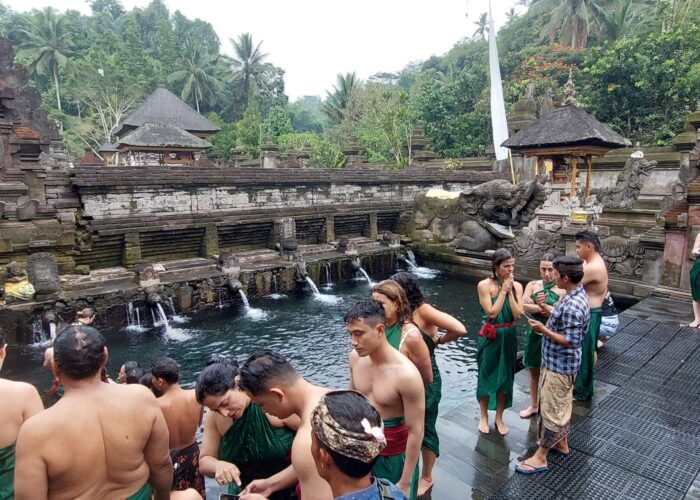
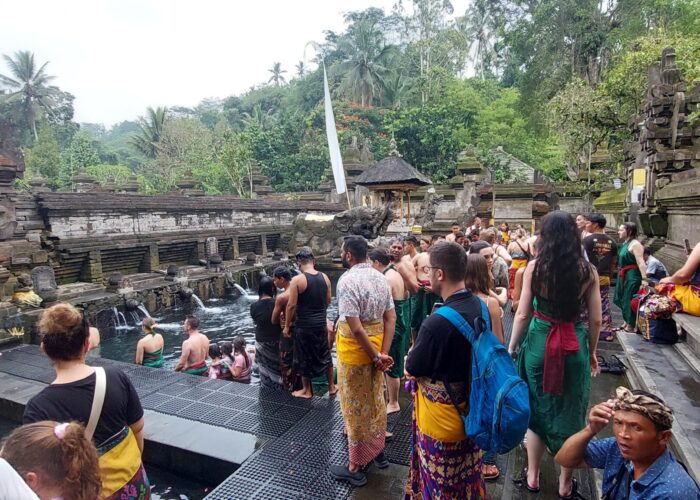
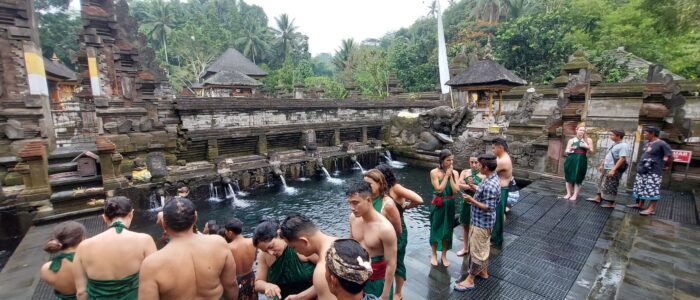
Pura Tirta Empul, nestled in the lush greenery of Bali’s Tampaksiring region, is a revered Hindu water temple renowned for its sacred springs and spiritual significance. Steeped in myth and legend, this ancient temple is a testament to Bali’s rich cultural heritage and deep spiritual roots.
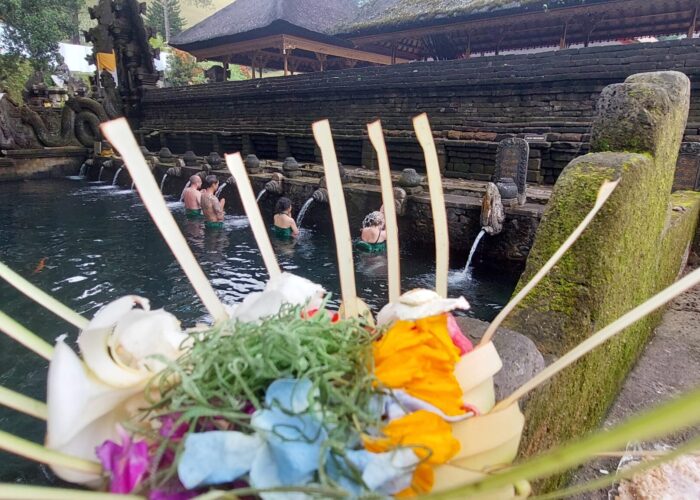
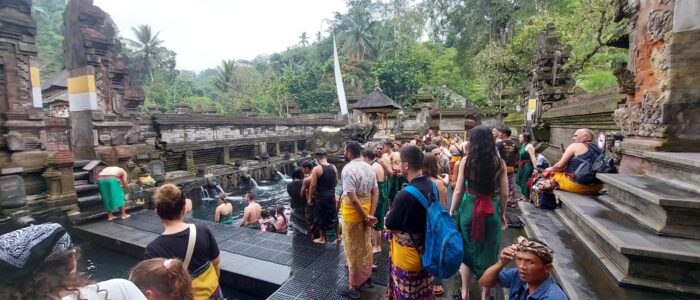
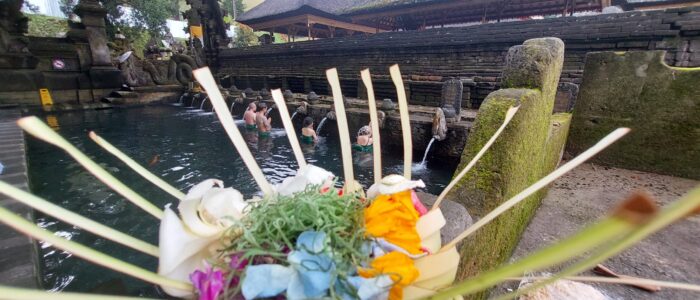
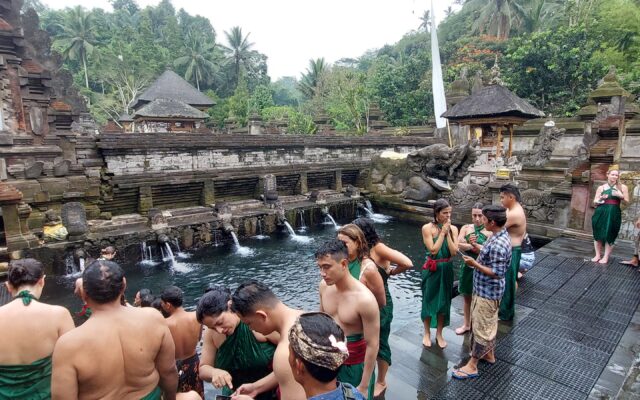
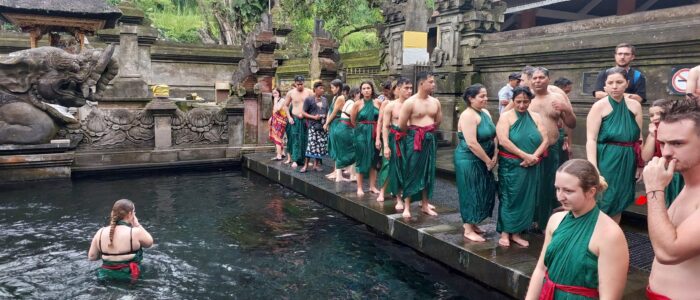
At the heart of Pura Tirta Empul lies its holy spring, whose clear, bubbling waters are believed to possess purifying properties. Legend has it that the spring was created by the god Indra and has been revered for its healing powers since ancient times. Visitors flock to the temple to partake in the ritual purification baths, immersing themselves in the sacred waters to cleanse their bodies, minds, and spirits.
The temple complex itself is a stunning architectural masterpiece, featuring traditional Balinese design elements and intricate stone carvings. As visitors explore the grounds, they’ll encounter ornate pavilions, lush gardens, and tranquil courtyards, each offering a glimpse into Bali’s rich cultural heritage.
One of the most revered rituals at Pura Tirta Empul is the melukat ceremony, where devotees undergo a ceremonial cleansing ritual to purify themselves of negative energies and impurities. The rhythmic chanting of priests, the scent of incense, and the sound of flowing water create a deeply spiritual atmosphere that envelops the entire temple complex.
Surrounded by towering palm trees and emerald green rice paddies, Pura Tirta Empul offers a serene escape from the hustle and bustle of everyday life. Whether you’re seeking spiritual enlightenment, cultural immersion, or simply a moment of peace and reflection, a visit to this sacred water temple is sure to leave a lasting impression.
Gunung Batur and Kintamani: Majestic Volcano and Scenic Highlands
Gunung Batur and Kintamani together form a captivating destination in Bali, offering a blend of natural beauty, adventure, and cultural richness.
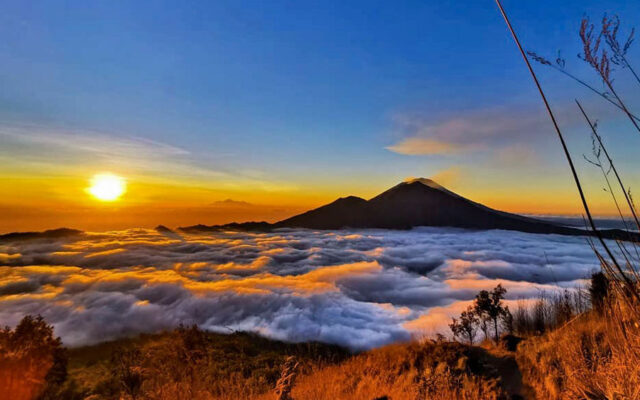
Gunung Batur: At the heart of this enchanting region stands Gunung Batur, an active volcano revered for its majestic presence and stunning vistas. Trekking to its summit is a popular activity for adventurers, offering panoramic views of the surrounding landscapes and the shimmering Lake Batur nestled in its caldera. Witnessing the sunrise from the summit of Gunung Batur is a truly magical experience, as the first light of dawn illuminates the rugged terrain and paints the sky with vibrant colors.
Kintamani: Surrounding Gunung Batur is the picturesque highland region of Kintamani, known for its cool climate and scenic beauty. The village of Kintamani offers breathtaking views of the volcano and the expansive Lake Batur below, providing a serene backdrop for relaxation and exploration. Visitors can stroll through terraced rice fields, visit traditional Balinese villages, and immerse themselves in the rich cultural heritage of the region.
Together, Gunung Batur and Kintamani offer a harmonious blend of natural wonders and cultural treasures, inviting visitors to embark on a journey of discovery and adventure in the heart of Bali. Whether you’re seeking adrenaline-pumping outdoor activities, peaceful moments of contemplation, or cultural immersion, this dynamic duo promises an unforgettable experience amidst Bali’s scenic splendor.
For any inquiries or to arrange a cash-on-delivery payment, please reach out to our customer service team, available 24/7.
Ubud, nestled in the heart of Bali, Indonesia, is a serene and culturally rich town known for its lush greenery, vibrant arts scene, and spiritual ambiance. The town is surrounded by terraced rice paddies, dense jungles, and ancient temples, offering a tranquil escape from the bustling tourist spots elsewhere on the island. Ubud is renowned for its traditional Balinese culture, with numerous art galleries, craft shops, and markets that showcase local artisans’ work. Visitors can explore the Ubud Monkey Forest, a sanctuary home to hundreds of playful monkeys and sacred temples, or take a leisurely walk through the Campuhan Ridge, which provides breathtaking views of the landscape.
In addition to its natural beauty, Ubud is a hub for wellness and spiritual retreats. It is dotted with yoga studios, meditation centers, and holistic spas, making it a perfect destination for those seeking relaxation and rejuvenation. The town also hosts various cultural performances, including traditional dance and music shows that reflect Bali’s rich heritage. Culinary enthusiasts can indulge in Ubud’s diverse food scene, which ranges from traditional Balinese cuisine to innovative, health-focused restaurants. With its harmonious blend of nature, culture, and spirituality, Ubud offers a unique and enriching experience for travelers.
Pura goa gajah ( Elephant Cave )
Pura Goa Gajah, also known as the Elephant Cave Temple, is an archaeological site of significant historical and spiritual importance located near Ubud, Bali. Dating back to the 9th century, this sacred site features a cave adorned with intricate stone carvings of mythical creatures and deities at its entrance. Inside the cave, visitors can find ancient relics, including a statue of the Hindu god Ganesha and a sacred meditation area. The temple complex also boasts a tranquil garden with stone bathing pools, fountains, and lush greenery, creating a serene atmosphere for contemplation and exploration. Pura Goa Gajah serves as a fascinating glimpse into Bali’s rich cultural heritage and religious practices.
Pura tirta empul (Sacred Spring Water )
Pura Tirta Empul, located near the town of Tampaksiring in Bali, is a revered Hindu water temple famous for its sacred spring water. Established in 962 AD, the temple complex is dedicated to Vishnu, the Hindu god of water, and is renowned for its holy purification rituals. Visitors to Tirta Empul can observe or participate in these rituals, where devotees immerse themselves in the cool, clear waters of the bathing pools, moving from one spout to the next in a symbolic cleansing process. The temple’s architecture is a stunning example of traditional Balinese design, with intricately carved stone structures, serene courtyards, and lush surroundings. Pura Tirta Empul not only offers a spiritual experience but also provides a captivating insight into Bali’s rich cultural and religious traditions.
Tegallalang rice terrace
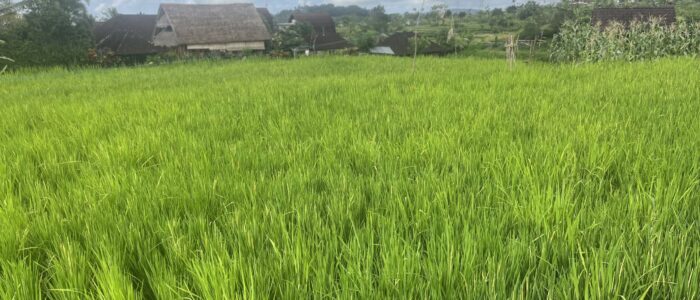
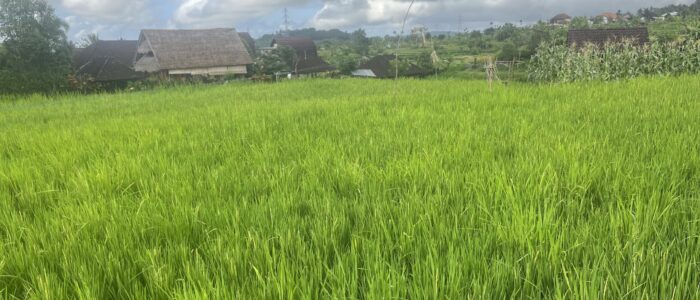
Tegallalang Rice Terrace, located just north of Ubud in Bali, is one of the island’s most iconic and picturesque landscapes. Known for its stunningly beautiful, steeply terraced rice fields, Tegallalang offers breathtaking views of lush, green paddies that stretch out into the horizon. The terraces are an excellent example of the traditional Balinese cooperative irrigation system called “subak,” which dates back to the 8th century and highlights the harmonious relationship between the Balinese people and their natural environment.
Visitors to Tegallalang can enjoy leisurely walks along the well-maintained paths that wind through the terraces, allowing them to immerse themselves in the tranquil beauty of the countryside. Numerous cafes and viewpoints dot the area, providing perfect spots to relax and take in the scenery. Additionally, the site is often visited by local farmers working the fields, offering a glimpse into the daily life and agricultural practices of Bali. Tegallalang Rice Terrace not only provides a visual feast for tourists but also serves as a testament to the island’s rich agricultural heritage and enduring cultural traditions.
Ubud palace
The Ubud Palace, also known as Puri Saren Agung, is a historical landmark and cultural hub located in the heart of Ubud, Bali. This royal palace served as the residence of the Ubud royal family and was built in the early 19th century during the reign of Tjokorda Putu Kandel. The palace complex showcases traditional Balinese architecture with its ornate gates, lush gardens, and intricate stone carvings, reflecting the island’s rich artistic heritage. The central courtyard, adorned with statues and detailed woodwork, is particularly notable for its aesthetic beauty and historical significance.
The Ubud Palace remains a vital cultural center, hosting traditional dance performances such as the Legong and Barong dances, which are held in the evenings and draw both locals and tourists alike. These performances offer a glimpse into Balinese culture and artistry, preserving the island’s traditions for future generations. Visitors to the palace can explore the well-preserved buildings and gardens during the day, gaining insight into the royal family’s history and the cultural significance of the site. The Ubud Palace stands as a testament to Bali’s royal heritage and its enduring cultural vibrancy.
For any inquiries or to arrange a cash-on-delivery payment, please reach out to our customer service team, available 24/7.
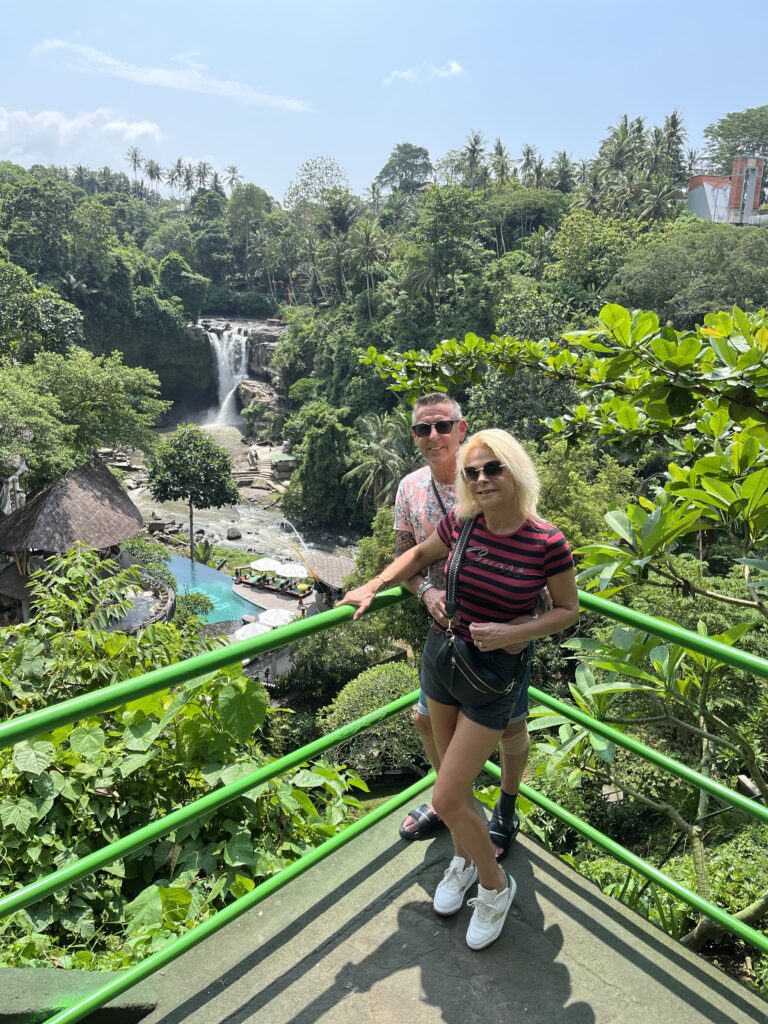
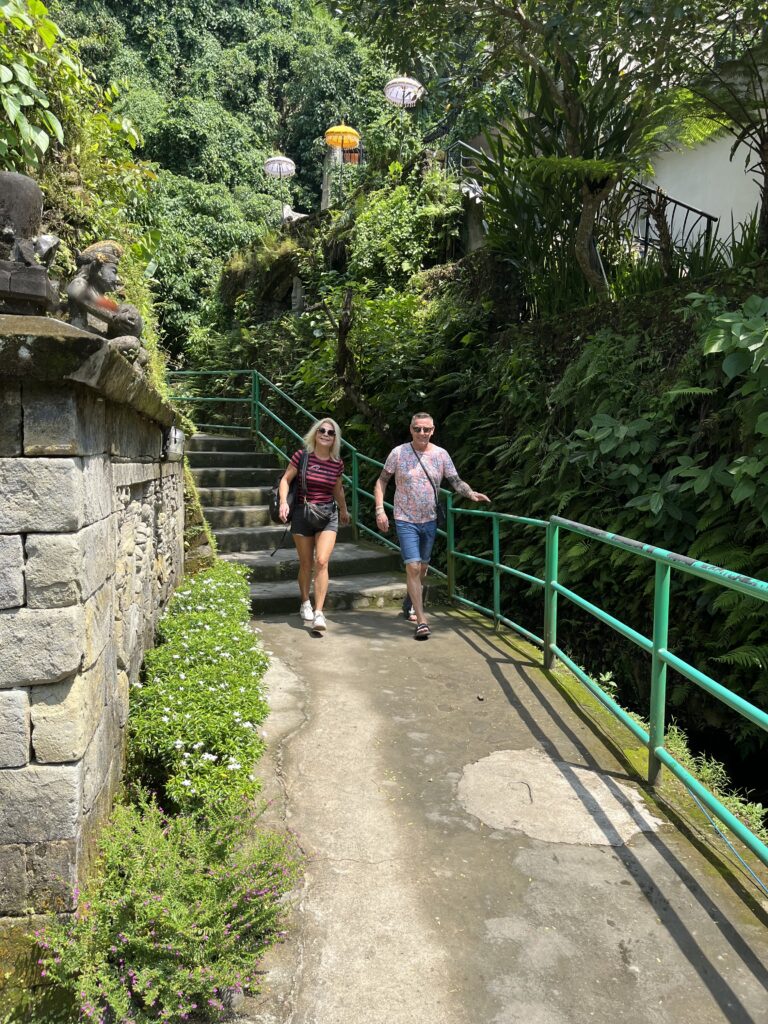
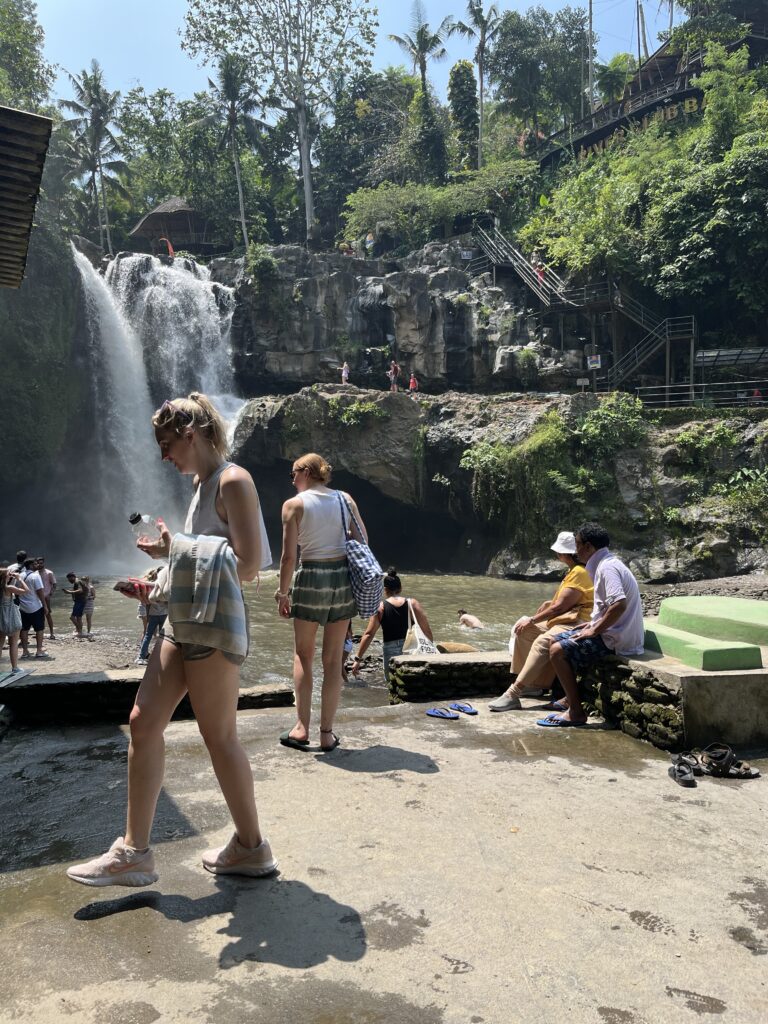
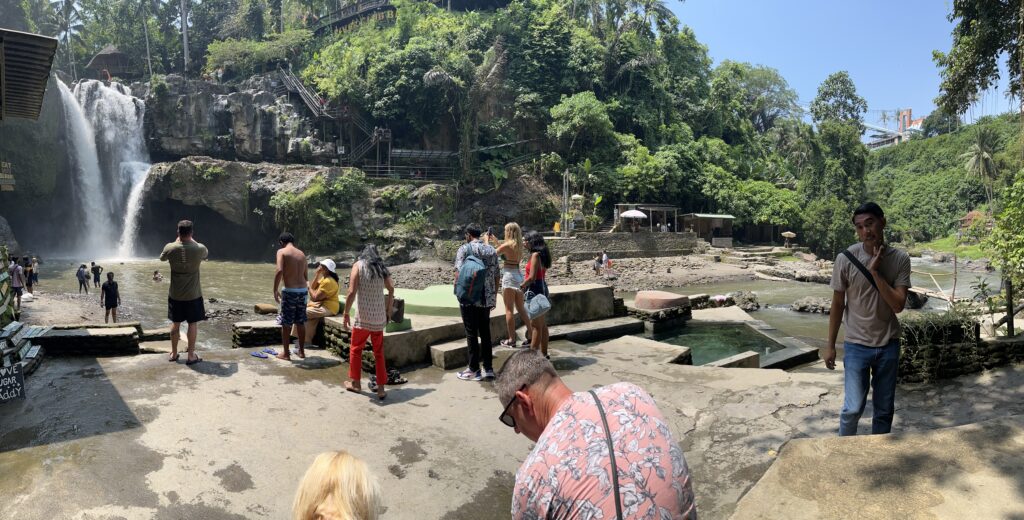
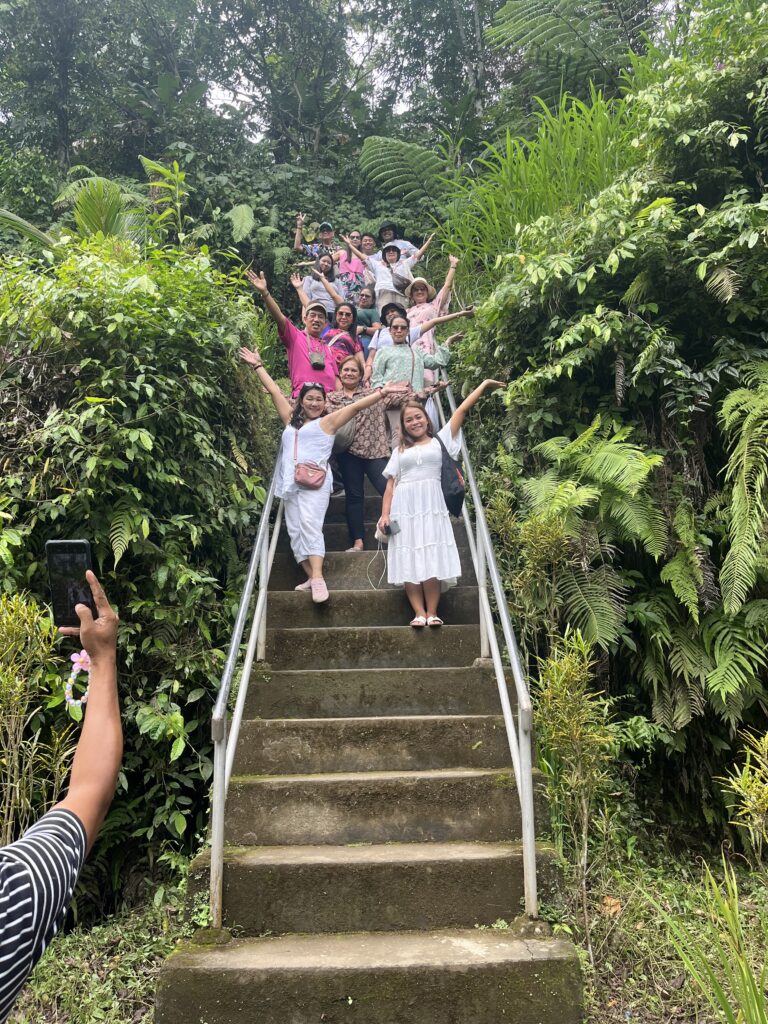
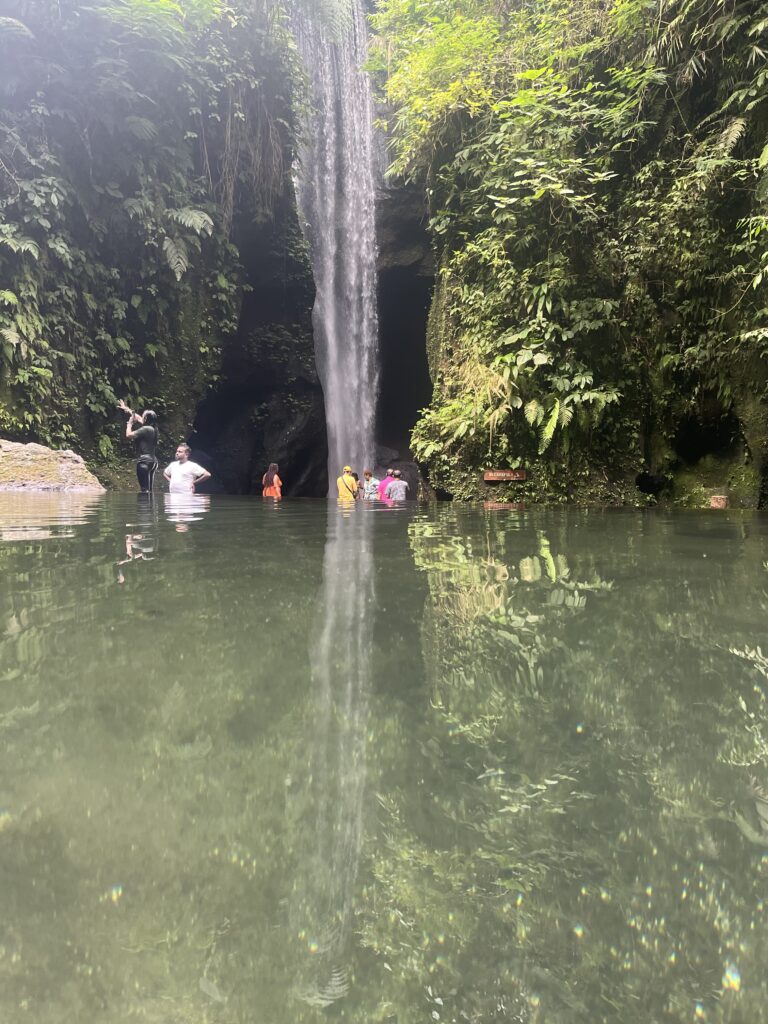
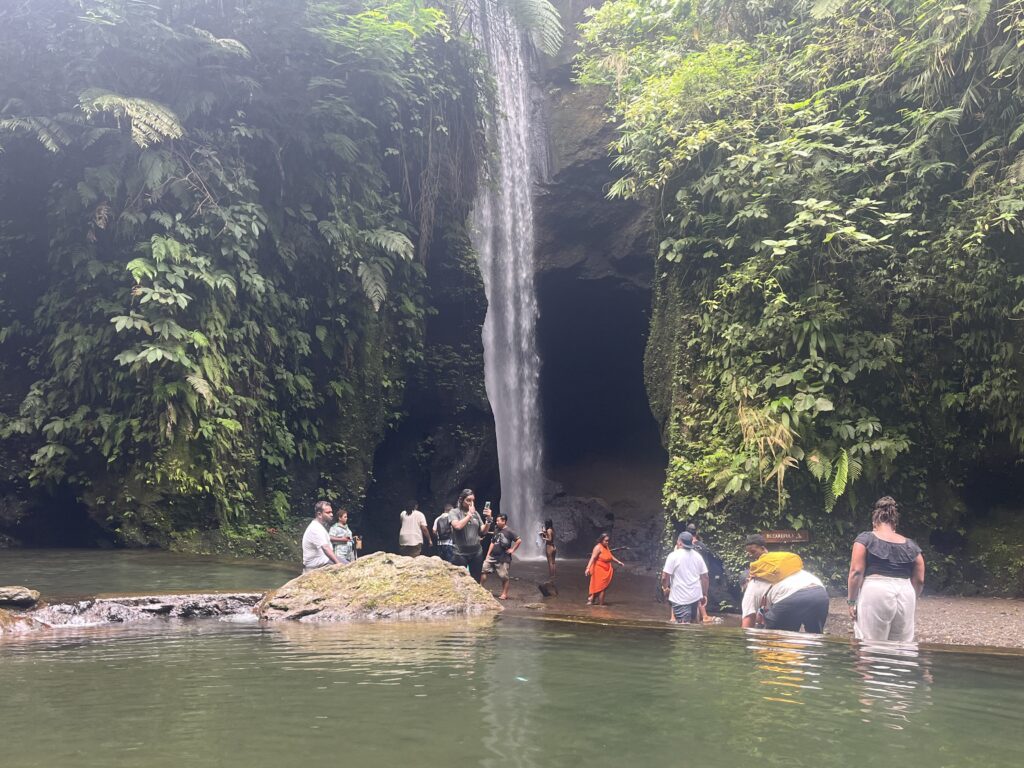
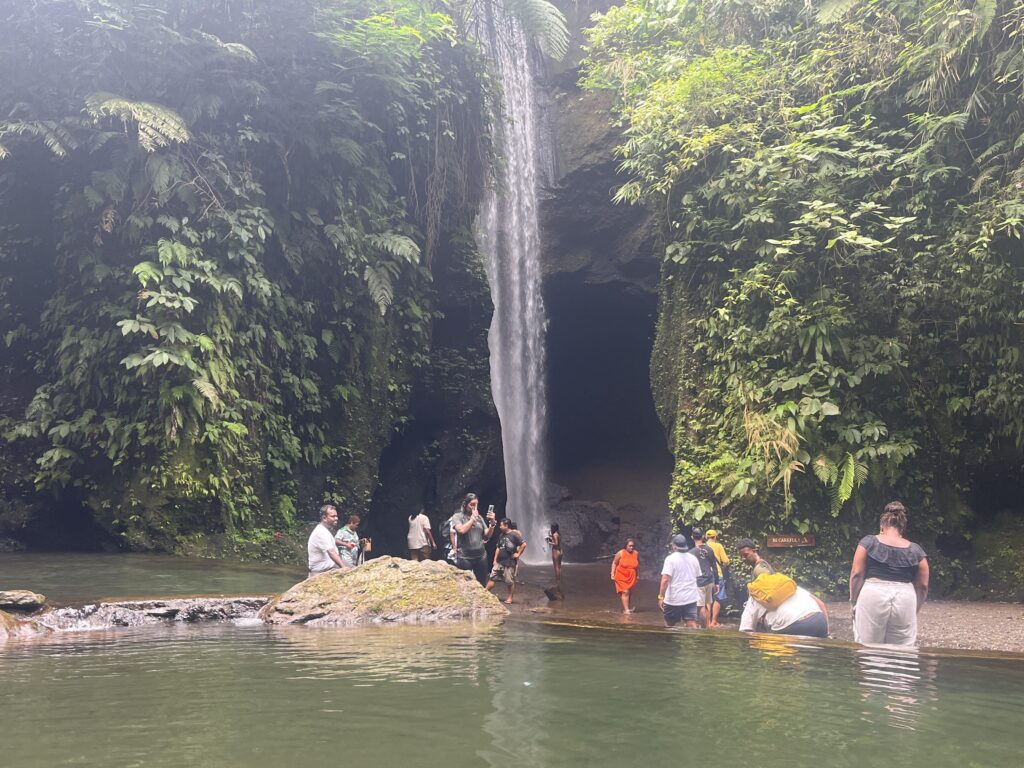
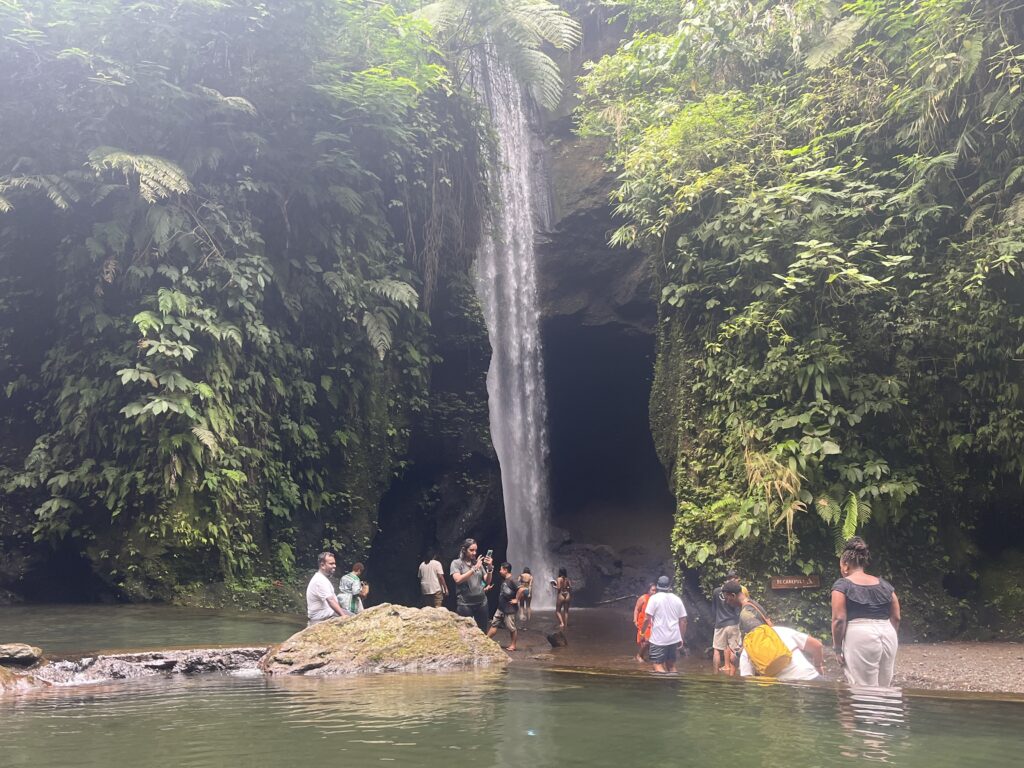
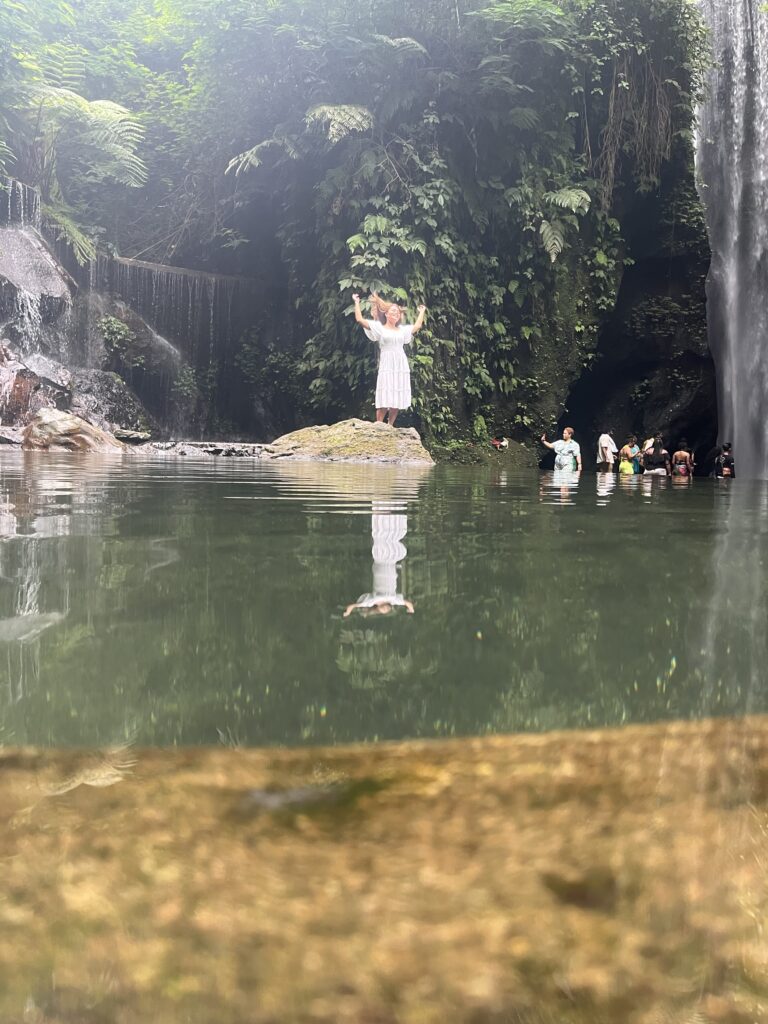
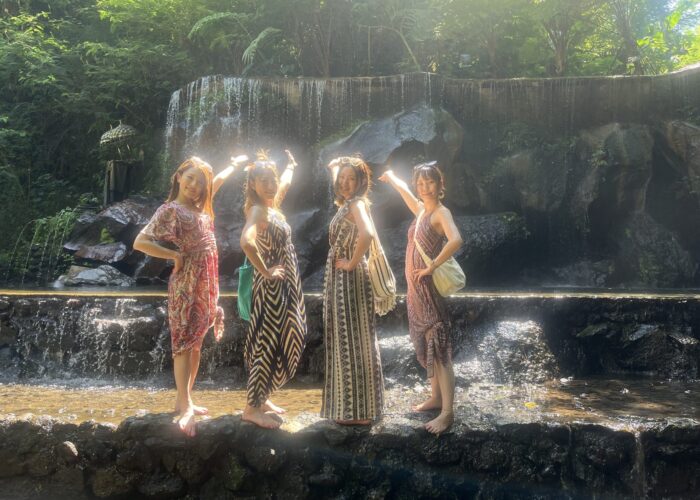
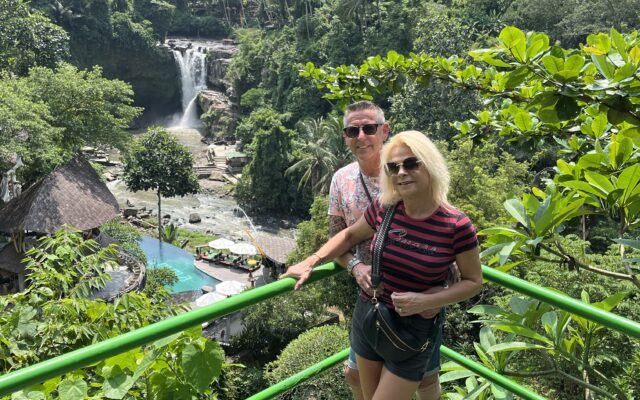
Located near the serene town of Ubud, the waterfalls in the surrounding areas offer breathtaking natural beauty and a sense of tranquility. One of the most famous is Tegenungan Waterfall, situated just a short drive from Ubud. This majestic waterfall cascades down into a refreshing pool, surrounded by lush greenery and rugged cliffs. The area is ideal for swimming, photography, and enjoying a picnic by the water. A short hike through scenic paths leads to the waterfall, allowing visitors to fully immerse themselves in the natural beauty of the Balinese landscape.
Another notable waterfall near Ubud is Tibumana Waterfall, a hidden gem that offers a more secluded and peaceful experience. Nestled deep within the jungle, Tibumana features a single, elegant cascade that flows into a crystal-clear pool. The surrounding area is pristine and less crowded, providing a perfect spot for relaxation and meditation. The journey to Tibumana includes a scenic trek through tropical foliage and over charming bridges, making the visit an adventure in itself. These waterfalls not only highlight the natural splendor of Bali but also offer a refreshing escape from the hustle and bustle of everyday life.
Tegenungan waterfall
Tegenungan Waterfall is a captivating natural wonder located on the island of Bali, Indonesia. Surrounded by lush greenery and large rocks that add to its charm, this waterfall exudes mesmerizing natural beauty. Clear water cascades down from a height, forming a natural pool that is inviting for swimming or simply admiring the scenery. The cool ambiance and the soothing sound of flowing water make visitors feel connected to nature. It’s no wonder that Tegenungan Waterfall has become one of the favorite tourist destinations in Bali, offering an unforgettable experience for every visitor who comes.
Kato lampo waterfall
Kato Lampo Waterfall is a hidden gem nestled within the lush landscapes of Bali, Indonesia. Unlike traditional waterfalls, Kato Lampo boasts a unique cascading flow over rugged rocks, creating a mesmerizing curtain of water that glistens in the sunlight. Surrounded by tropical foliage and the soothing sounds of nature, the ambiance at Kato Lampo is both serene and invigorating. Visitors can revel in the refreshing mist as they navigate the rocky terrain, immersing themselves in the raw beauty of this natural wonder. With its secluded location and enchanting atmosphere, Kato Lampo Waterfall offers a truly unforgettable experience for those seeking adventure and tranquility in equal measure.
Tibumana Waterfall
Tibumana Waterfall is a picturesque cascade nestled amidst the verdant jungles of Bali, Indonesia. Serene and pristine, it offers a tranquil retreat from the bustling urban life. As the crystal-clear water gently tumbles down from the lush green cliffs, it creates a mesmerizing scene that captivates visitors. Surrounded by tropical foliage and the melodious chirping of birds, the ambiance at Tibumana is nothing short of enchanting. Adventurous souls can take a refreshing dip in the cool waters of the natural pool or simply bask in the beauty of the surroundings. With its secluded location and unspoiled charm, Tibumana Waterfall promises an unforgettable escape into the heart of nature’s splendor.
Goa raja waterfall
Goa Raja Waterfall is a hidden gem nestled within the lush landscapes of Bali, Indonesia. Its name, which translates to “King’s Cave Waterfall,” hints at the mystique and regal beauty that awaits visitors. Tucked away from the beaten path, this waterfall offers a serene retreat for those seeking tranquility amidst nature’s embrace. As the pristine water cascades gracefully down the rugged cliffs, it creates a mesmerizing spectacle that captivates the senses. Surrounding the waterfall, dense foliage and towering trees add to the enchanting ambiance, while the sound of rushing water provides a soothing soundtrack to the experience. Adventurous souls can explore the area, discovering hidden caves and natural pools along the way. With its secluded location and untouched beauty, Goa Raja Waterfall invites visitors to embark on a journey of discovery and wonder in the heart of Bali’s wilderness.
Agro tourism Coffe plantations
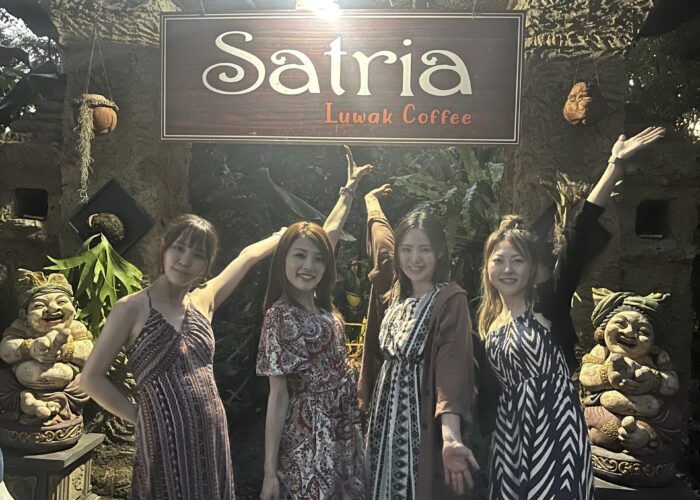
The coffee plantations in Bali stand as captivating oases amidst the island’s natural beauty. Nestled on the fertile slopes of the mountains, these plantations offer stunning vistas with neat rows of coffee plants interspersed among lush tropical trees. Here, the air is filled with the delightful aroma of fresh coffee, creating an enchanting atmosphere for visitors. In addition to enjoying the natural surroundings, visitors can also learn about the coffee cultivation process, from planting to bean processing, through guided tours offered on the plantation.
Moreover, Bali’s coffee plantations are ideal places to savor an authentic cup of coffee. Visitors can enjoy various types of coffee served in traditional ways while taking in the breathtaking natural panorama. The tranquil ambiance of the coffee plantation also makes it a perfect spot to unwind while relishing a cup of warm coffee. With a comprehensive coffee experience and stunning natural beauty, Bali’s coffee plantations become enticing destinations for coffee enthusiasts and travelers eager to explore the island’s natural riches.
For any inquiries or to arrange a cash-on-delivery payment, please reach out to our customer service team, available 24/7.
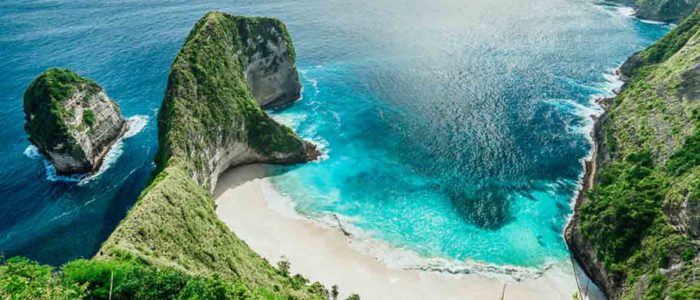
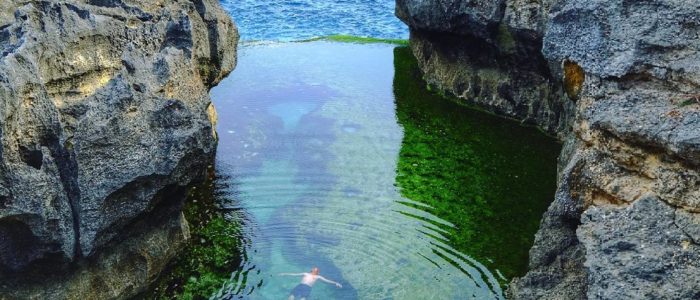
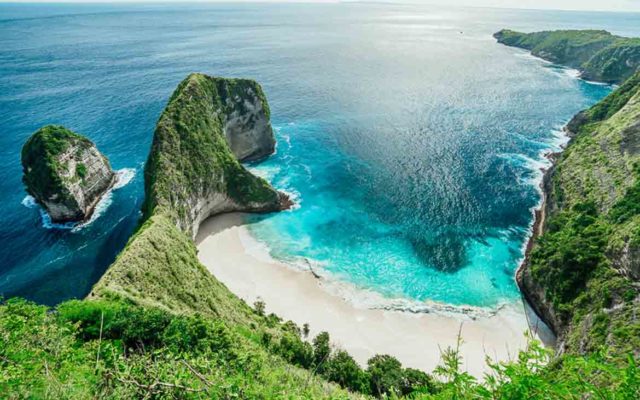
Nusa Penida is a stunning island located southeast of Bali, Indonesia, renowned for its breathtaking landscapes and pristine natural beauty. As part of the Nusa Islands, which include Nusa Lembongan and Nusa Ceningan, Nusa Penida stands out with its dramatic cliffs, crystal-clear waters, and diverse marine life. The island is a paradise for nature lovers and adventure seekers, offering numerous attractions such as the iconic Kelingking Beach, with its distinctive T-Rex-shaped cliff, and Angel’s Billabong, a natural infinity pool with stunning ocean views.
In addition to its spectacular coastal scenery, Nusa Penida is also home to a rich cultural heritage. The island boasts several sacred temples, such as Pura Goa Giri Putri, a unique temple located inside a large cave, and Pura Dalem Ped, an important religious site for the local Balinese Hindu community. Visitors can immerse themselves in the local culture by participating in traditional ceremonies and exploring the island’s vibrant villages, where friendly locals are always ready to share their customs and stories.
Nusa Penida’s underwater world is equally enchanting, making it a top destination for diving and snorkeling enthusiasts. The island’s waters are teeming with colorful coral reefs and diverse marine species, including the famous Manta Rays at Manta Point and the elusive Mola-Mola (sunfish) during the right season. With its combination of natural wonders, cultural richness, and thrilling activities, Nusa Penida offers an unforgettable experience for every traveler seeking to explore Bali’s hidden gems.
Kelingking Beach
Surrounded by lush green hills and crystal-clear waters, Kelingking Beach is a must-see destination on Nusa Penida. The beach is shaped like a human finger, making it a popular spot for Instagram photos. Visitors can swim, snorkel, or simply relax and enjoy the stunning views.
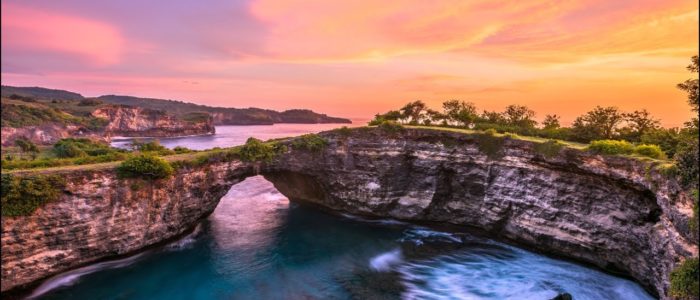
Broken Beach
Broken Beach is a beach with a cliff that resembles a shipwreck. The beach is located at the end of a cliff overlooking the ocean. Visitors can swim, snorkel, or simply take a picture with the unique backdrop of the cliff.
Angel Billabong
Angel’s Billabong is a natural pool formed by the erosion of ocean waves. The pool is located at the end of a cliff overlooking the ocean. Visitors can swim, snorkel, or simply take a picture with the beautiful backdrop of the cliff.
Crystal Bay
Crystal Bay is a beach with clear turquoise waters. The beach is located at the end of a cliff overlooking the ocean. Visitors can swim, snorkel, or simply relax and enjoy the stunning views.
For any inquiries or to arrange a cash-on-delivery payment, please reach out to our customer service team, available 24/7.

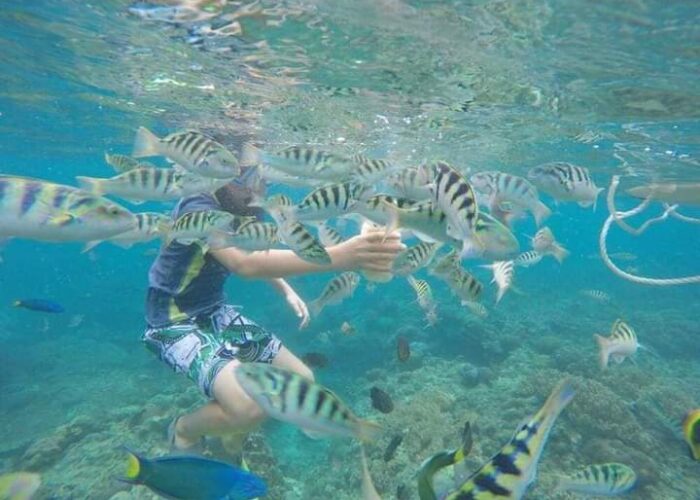
Explore underwater rides in Bali, presenting a very extraordinary view.with guides who have experienced more than 5 years.Blue Lagoon and Tanjung Jepung are one of the spots for underwater.give you a new experience and capture your moments while in bali Dive into the refreshing waters of these wonderlands and discover various underwater gems like colorful reefs and the majestic tropical marine life calling them home. You can swim alongside adorable cuttlefish, angelfish, cowfish, and moray eels.
Blue Lagoon Beach, a hidden paradise in East Bali, is precisely located on the other side of Padang Bai harbor.The distance from Padangbai port is only 750 meters.Blue Lagoon offers a quiet atmosphere, far from the hustle and bustle of the city, like a holiday to a private beach. Blue LagoonThis beach is known as an underwater paradise, the water is warm and the marine
life is abundant.In the middle of this bay you can find corals where various types of animals liveBlue Lagoon Beach is a good beach for snorkeling. The coral reef is right above the beach and is very beautiful. The best way is to enter the far left side, where there is a coral reef channel that leads to the snorkeling point.There are good snorkeling spots in the bay, although snorkeling
at Blue Lagoon or White Sand Beach is much better.
Snorkeling in Tanjung Jepun This is one of the best in East Bali. We will enjoy coral gardens and extraordinary marine fauna. One of the best snorkeling in Bali and we recommend, we should not miss this opportunity to get to know the seabed of the Island of the Gods. The waters at Tanjung Jepon are also known to be shallow, on this beach ornamental fish can be clearly seen going
back and forth tempting the eyes of visitors. Therefore, Tanjung Jepon is very good for snorkeling. Because snorkeling doesn’t have to be for people who can swim, but people who can’t swim at all can also take part in swimming by wearing a life vest, you can have fun joining in.
This time, you will be invited to take a peek at a hidden beach in Bali, namely Bias Tugel Beach, which is also known as White Sand Beach. The name may not be familiar, but Bias Tugel Beach is no less beautiful than other beaches in Bali. Bias Tugel Beach Bali is located in Padangbai Village, Manggis District, Karangasem. You will be accompanied by beautiful views of white sand, blue sea, and ferries moving from Padang Bai Harbor like a real painting by the Creator. You can imagine how beautiful Bias Tugel Beach Bali is when enjoyed directly. The Bias Tugel Beach area in Bali is flanked by quite large rocks, therefore this beach is called Bias Tugel Beach. The word “Bias” means sand, while “Tugel” means cut. This beach has a coastline that is not too long, namely around 200 meters. Even so, this beach is said to have the whitest sand inBali. The clear sea water and quiet beach atmosphere add to the beauty of Bias Tugel Beach, Bali.
For any inquiries or to arrange a cash-on-delivery payment, please reach out to our customer service team, available 24/7.
Tanah lot temple
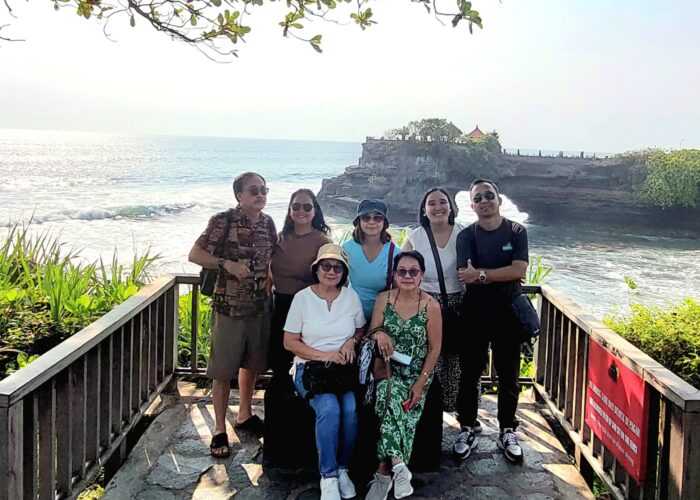
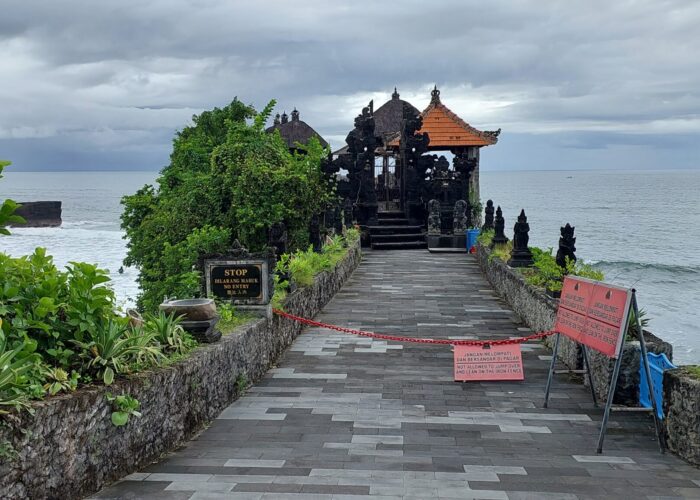
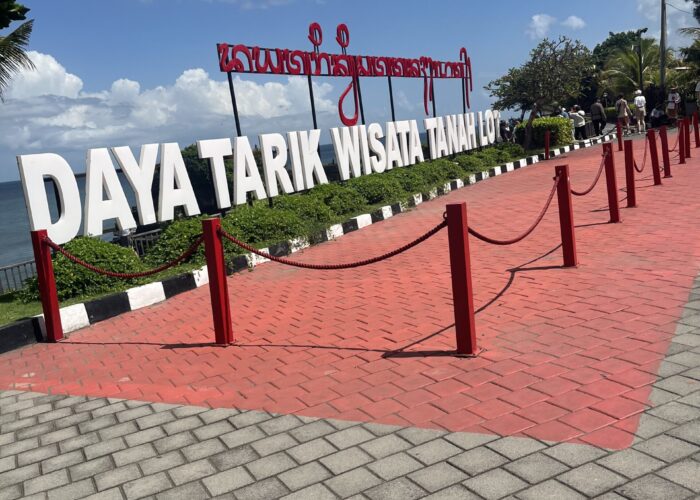
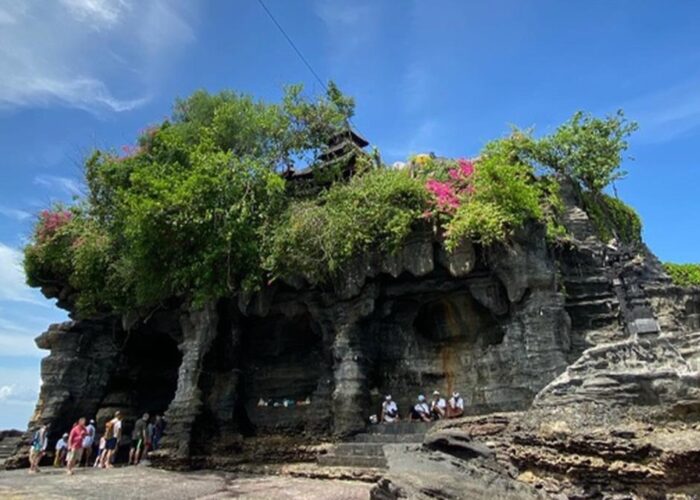
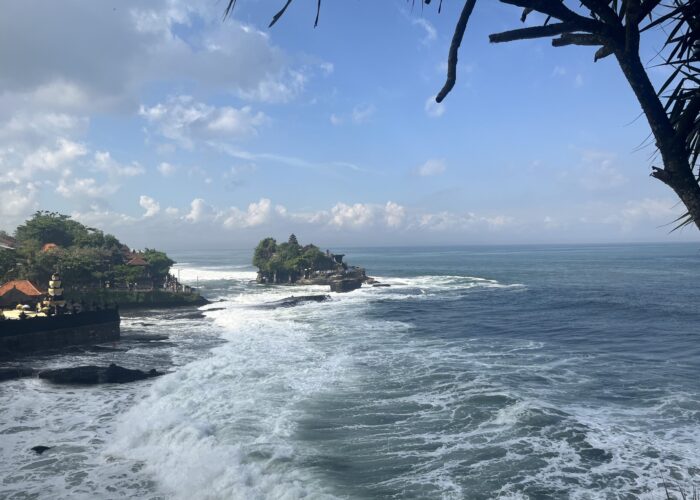
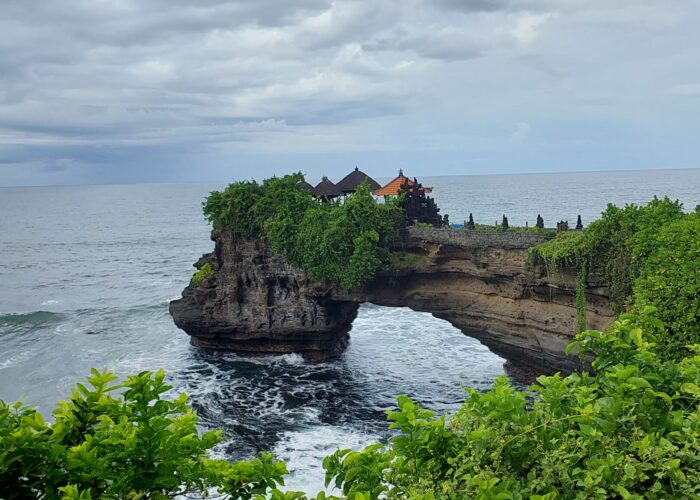
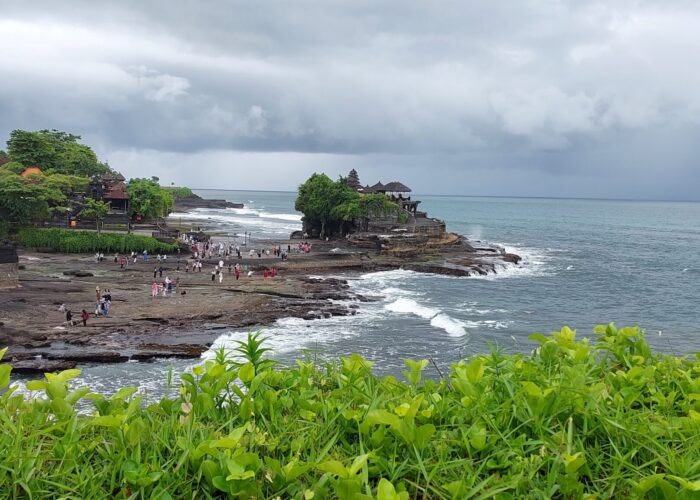
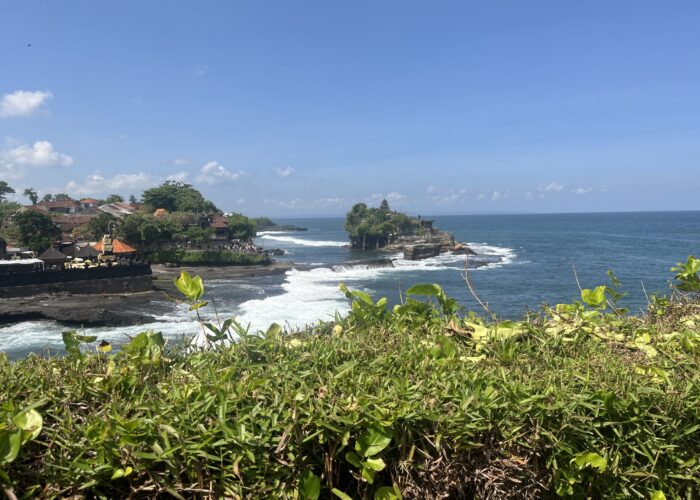
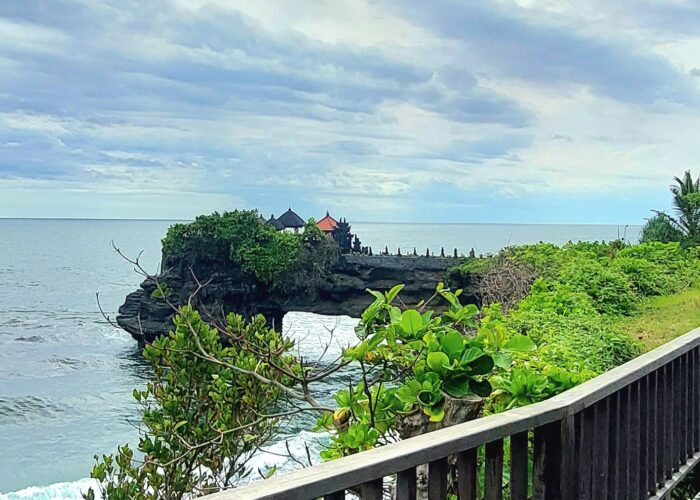
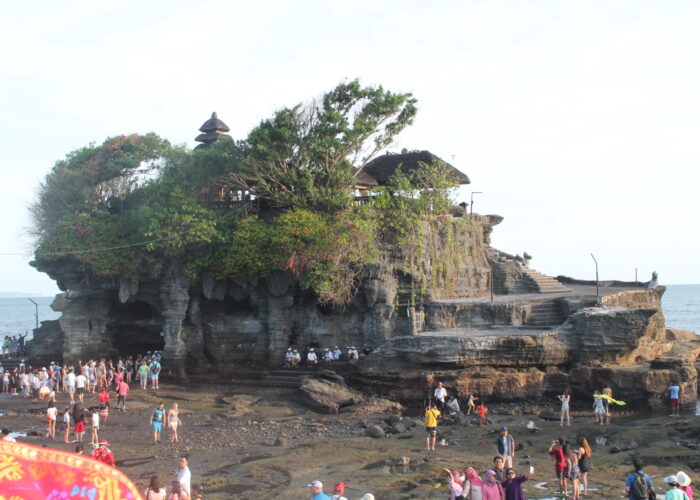
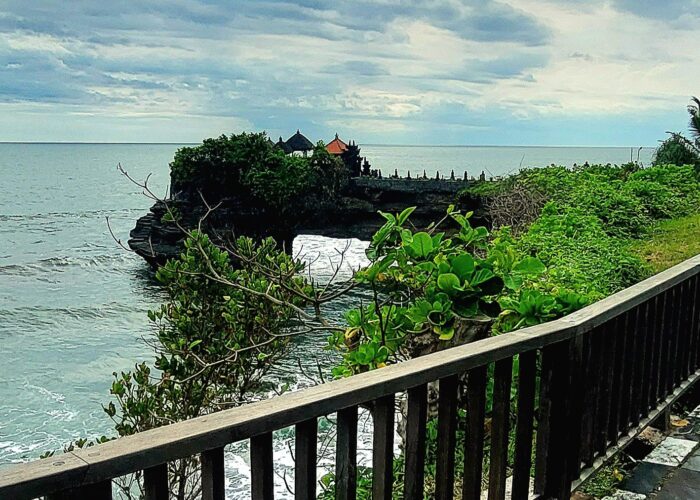
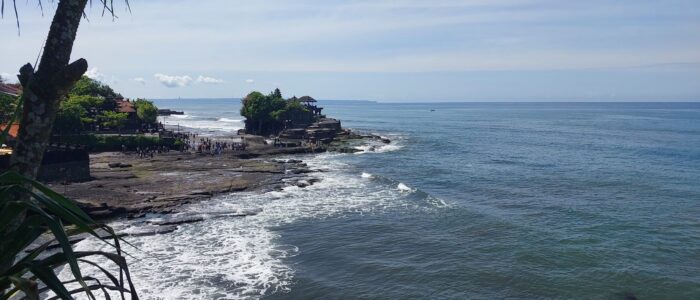
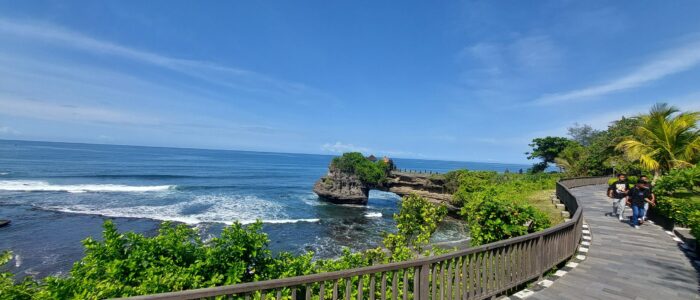
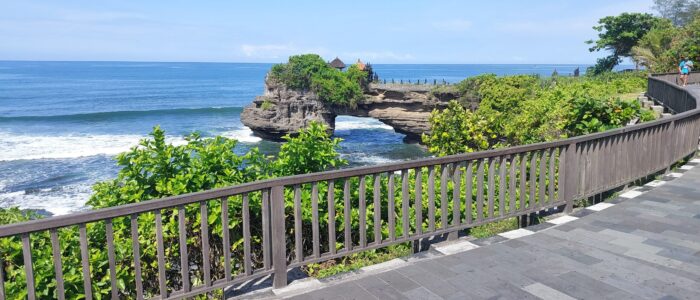
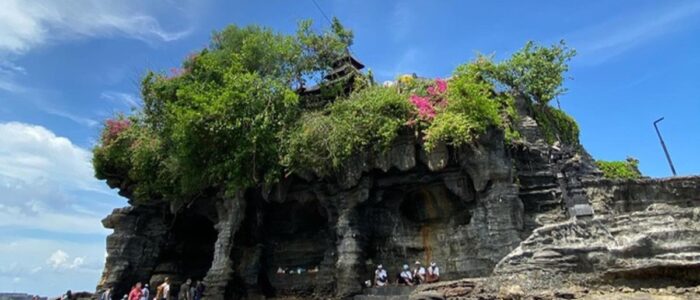
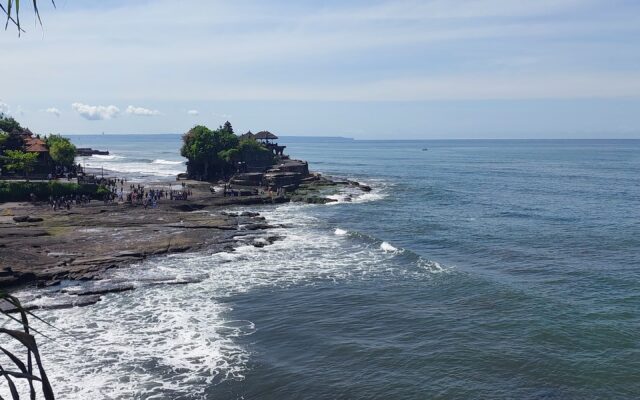
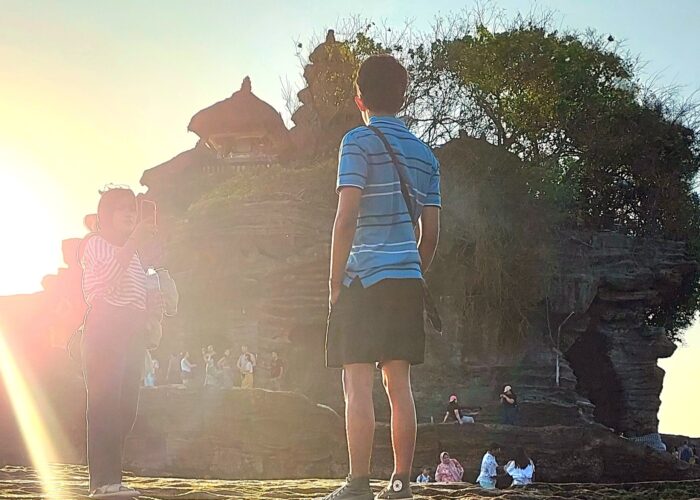
Pura Tanah Lot stands as one of Bali’s most iconic and revered sea temples, perched dramatically on a rocky outcrop amidst the crashing waves of the Indian Ocean. Its name, translating to “Land in the Sea” in Balinese, perfectly encapsulates its breathtaking location and spiritual significance. Believed to date back to the 16th century, this temple is dedicated to the sea gods, particularly Dewa Baruna, the ruler of the seas, and is revered for its protective powers over the island.
Visitors to Pura Tanah Lot are not only mesmerized by its dramatic coastal setting but also by the temple’s architectural beauty and cultural significance. As the sun sets, casting a golden glow over the temple and the surrounding ocean, Pura Tanah Lot becomes a captivating sight, attracting visitors from around the world who come to witness its beauty and experience its mystical ambiance. Despite erosion and the relentless pounding of the waves, which pose ongoing challenges to the temple’s stability, Pura Tanah Lot remains an enduring symbol of Bali’s spiritual and cultural identity, captivating the hearts and minds of all who visit with its timeless beauty and profound sense of reverence for the elements.
Padang-Padang beach ( Labuan sait )
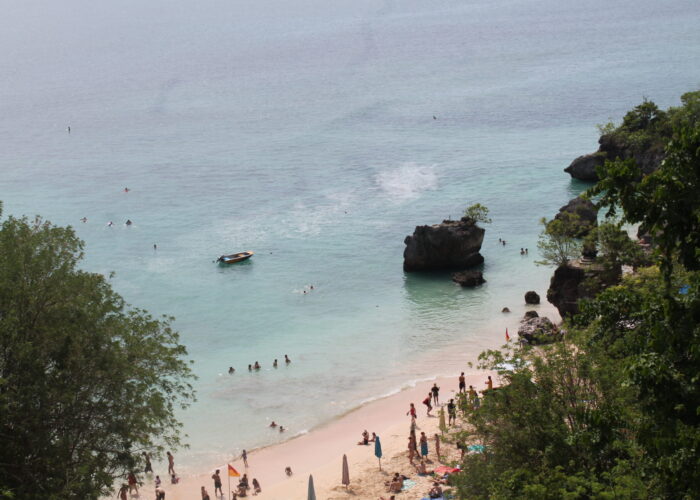
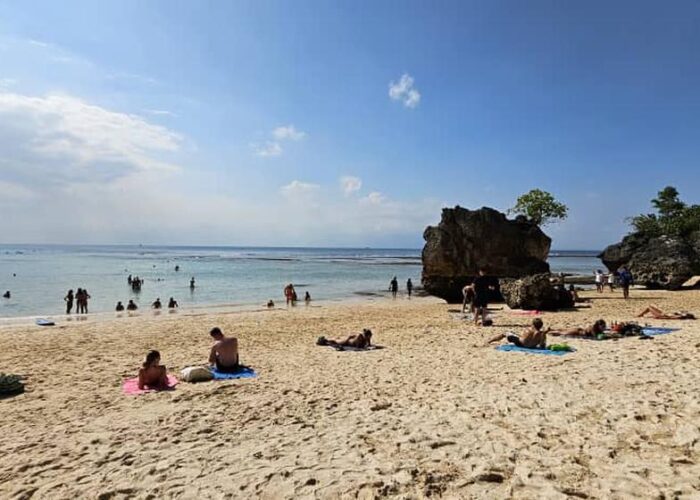
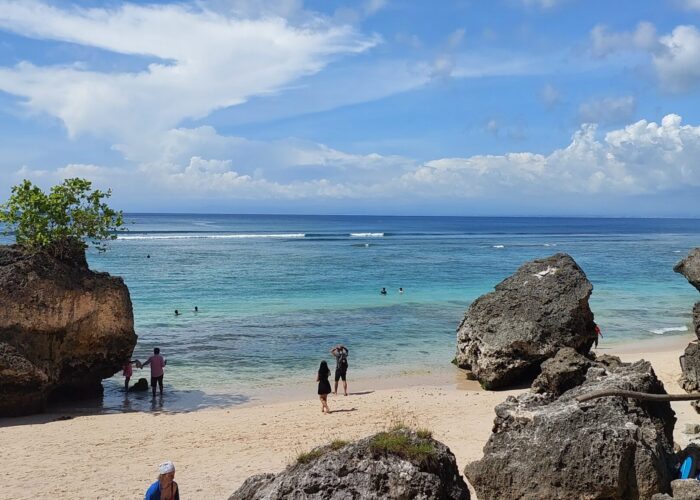
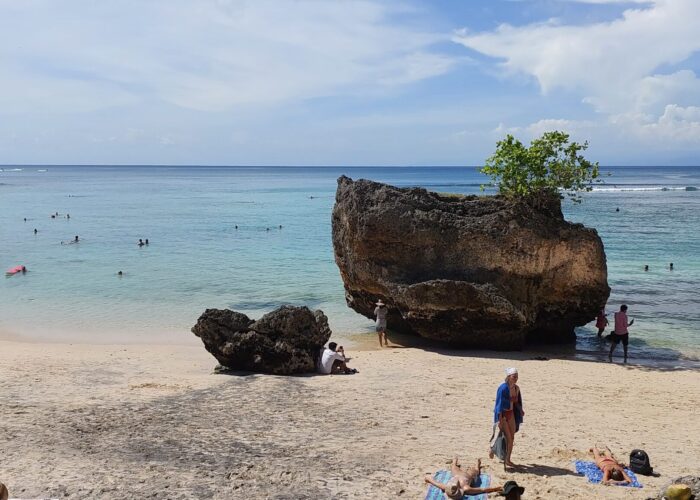
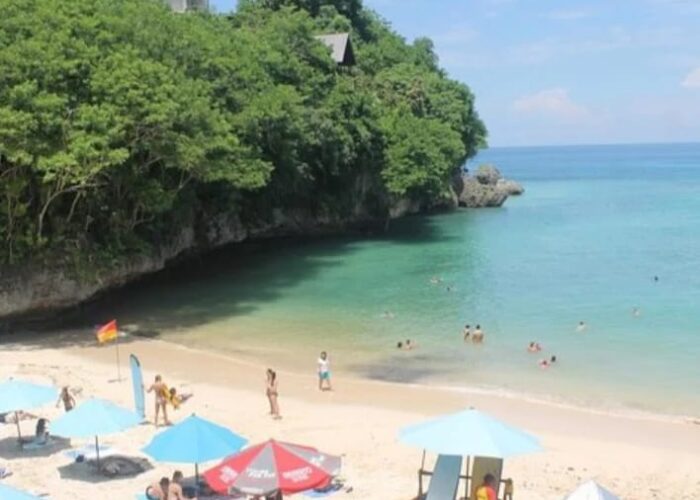
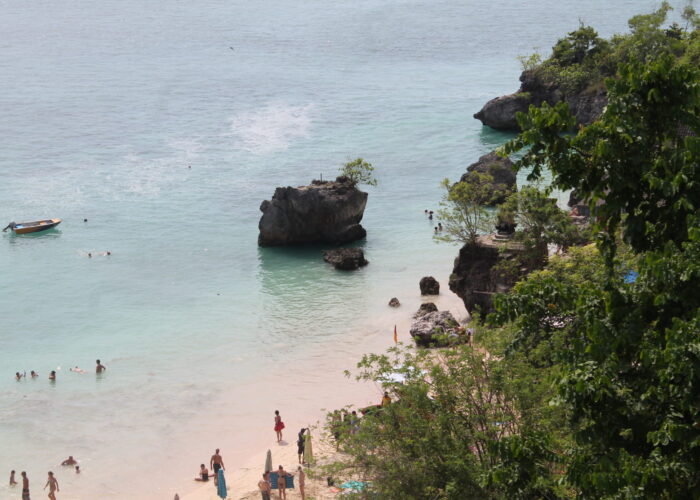
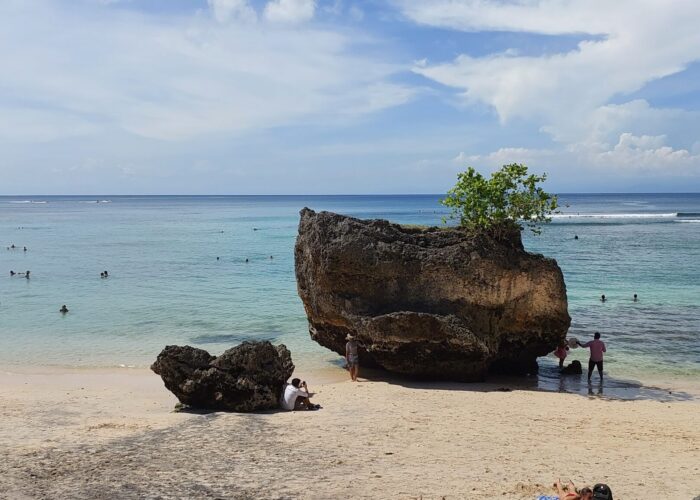
Padang Padang Beach, nestled along the southwestern coast of Bali, is a stunning slice of paradise renowned for its pristine white sand, crystal-clear turquoise waters, and dramatic cliffs. This picturesque beach, also known as Labuan Sait Beach, captivates visitors with its natural beauty and laid-back atmosphere, making it a favorite destination for surfers, sunbathers, and nature enthusiasts alike. Accessible via a narrow stairway that winds through the rugged cliffs, Padang Padang Beach offers a sense of seclusion and tranquility that feels worlds away from the bustling streets of Bali’s tourist hubs.
Upon arriving at Padang Padang Beach, visitors are greeted by breathtaking views of the azure ocean stretching out before them, framed by towering cliffs and lush tropical vegetation. The beach’s sheltered cove creates ideal conditions for swimming and sunbathing, while the rolling waves beckon surfers to test their skills on the renowned breaks that attract surfers from around the globe. Beyond its natural beauty, Padang Padang Beach is also steeped in cultural significance, with locals and visitors alike gathering here to watch mesmerizing sunsets and participate in traditional ceremonies that pay homage to the sea gods and honor Bali’s rich spiritual heritage. Whether seeking adventure on the waves or simply seeking solace in nature’s embrace, Padang Padang Beach offers an unforgettable experience immersed in the natural splendor of Bali’s coastline.
Uluwatu temple
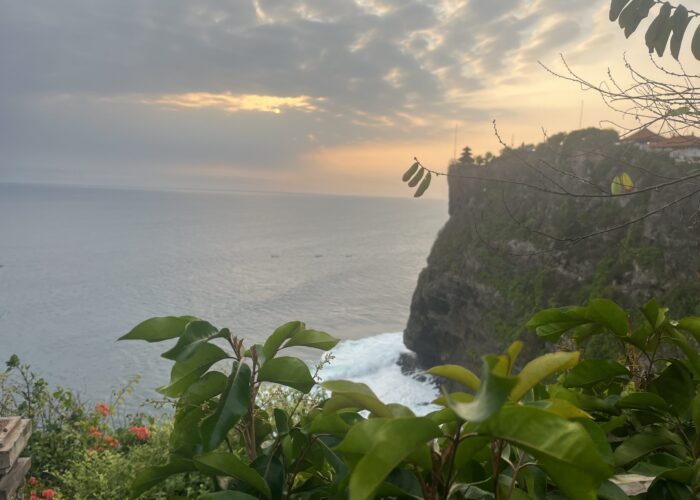
Perched majestically on the edge of rugged cliffs overlooking the vast expanse of the Indian Ocean, Pura Luhur Uluwatu is one of Bali’s most iconic sea temples. Dating back to the 11th century, this sacred temple is dedicated to the spirits of the sea and is believed to protect the island from evil spirits. The temple’s dramatic setting and architectural grandeur make it a must-visit destination for travelers seeking to immerse themselves in Bali’s rich cultural heritage and spiritual traditions.
Visitors to Pura Luhur Uluwatu are not only captivated by its breathtaking vistas but also by the mesmerizing Kecak Fire Dance performances that take place against the backdrop of the setting sun. These traditional Balinese dances, performed by a chorus of chanting men accompanied by rhythmic percussion, retell ancient Hindu legends and provide insight into Bali’s vibrant cultural tapestry. As the sun dips below the horizon, casting a fiery glow over the temple and the ocean below, the atmosphere becomes charged with energy and emotion, creating a truly unforgettable experience for all who witness it. Beyond its cultural and spiritual significance, Pura Luhur Uluwatu offers a serene sanctuary for visitors to reflect, meditate, and connect with the natural beauty and timeless wisdom of Bali’s coastline.
Kecak dance (Fire dance)
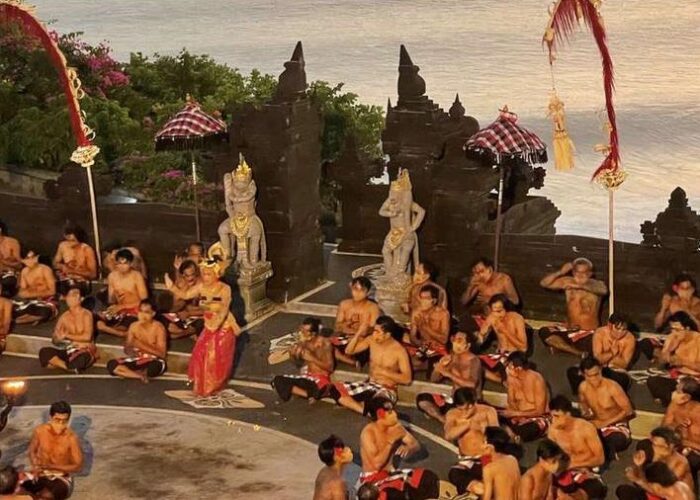
The Kecak Fire Dance performed at Pura Luhur Uluwatu is a mesmerizing spectacle that enchants audiences with its dramatic choreography, haunting chants, and fiery ambiance. Against the backdrop of the setting sun and the crashing waves of the Indian Ocean, the performance unfolds on an open-air stage, surrounded by the ancient stone walls of the cliffside temple. As dusk descends, the rhythmic chanting of the male chorus, known as the “cak-cak-cak” sounds, reverberates through the air, transporting spectators to a mystical realm where ancient myths come to life.
Accompanied only by the hypnotic beat of traditional percussion instruments and the flickering light of torches, the performers weave a captivating tale drawn from the Ramayana, a Hindu epic. Through intricate movements and expressive gestures, they portray the timeless struggle between good and evil, as Prince Rama battles the demon king Ravana to rescue his beloved wife, Sita. The intensity of the performance builds with each movement, culminating in a breathtaking climax as the dancers whirl around a blazing fire, their silhouettes cast in stark relief against the night sky.
As the final notes of the chant fade into the darkness, spectators are left spellbound by the raw emotion and sheer artistry of the Kecak Fire Dance. More than just a cultural performance, it is a visceral experience that immerses audiences in Bali’s rich spiritual heritage and leaves a lasting impression on all who witness its timeless beauty and power.
For any inquiries or to arrange a cash-on-delivery payment, please reach out to our customer service team, available 24/7.
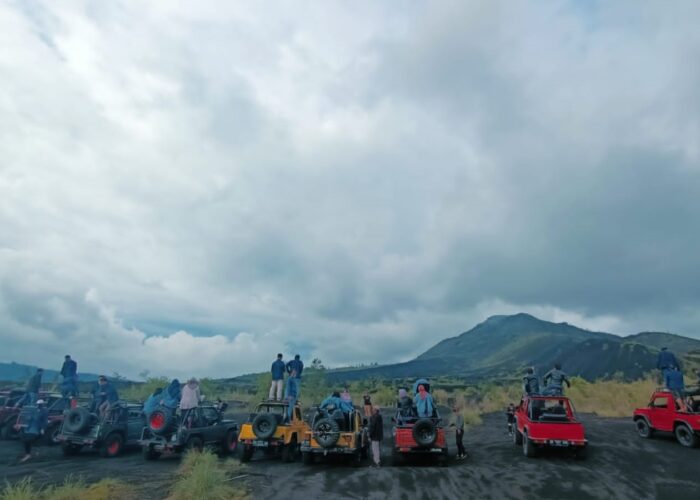
jeep sunrise 4×4
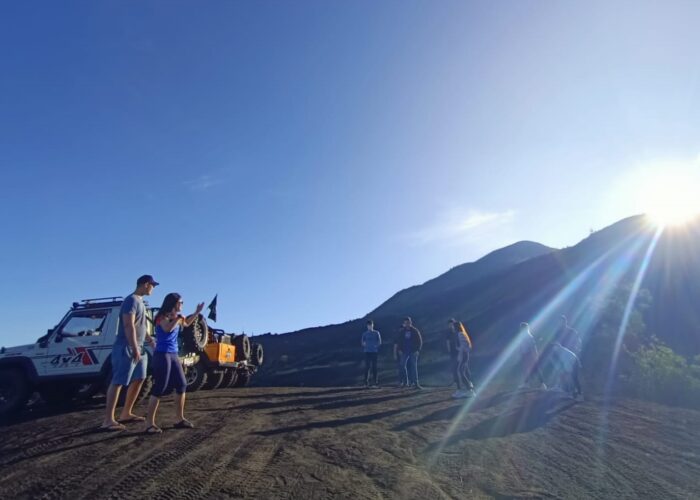
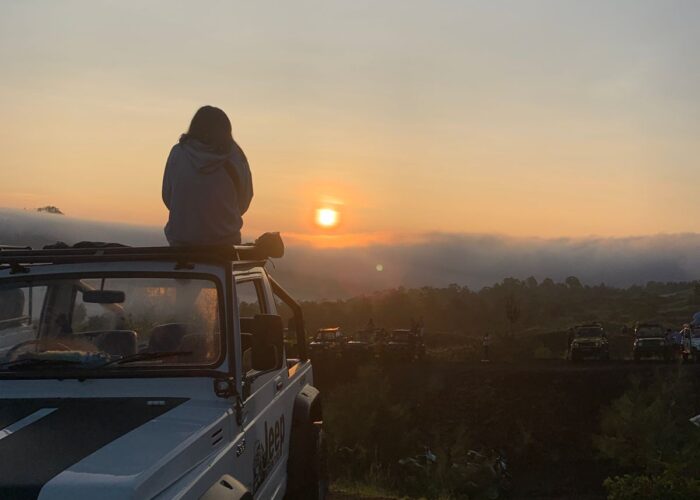
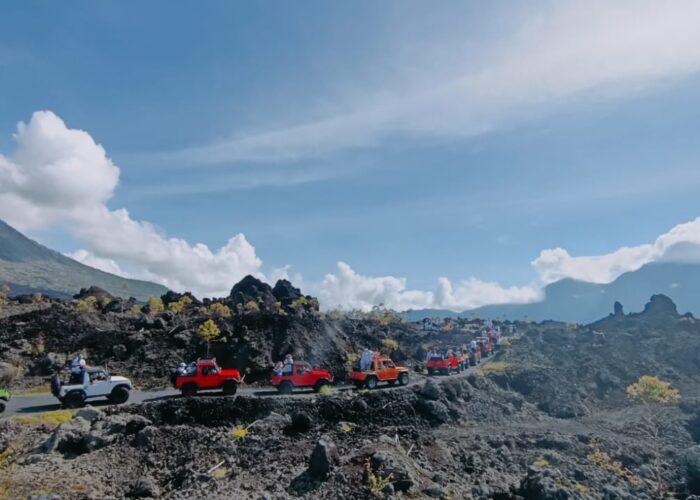
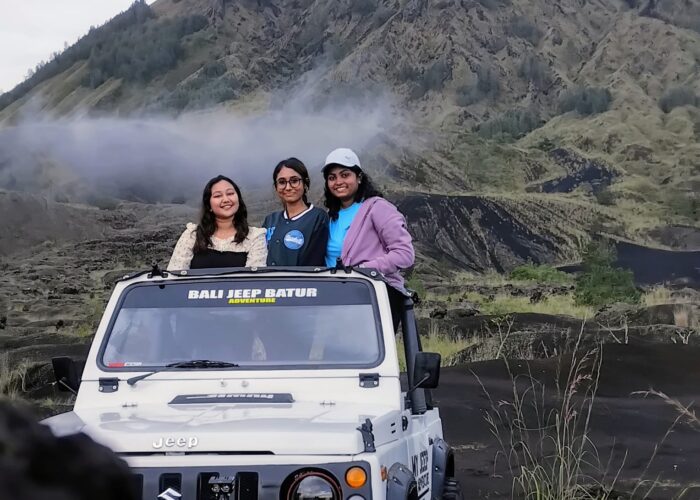
The Sunrise Jeep Tour at Mount Batur offers a breathtaking experience for adventurers seeking an unforgettable adventure in Bali. Beginning before dawn, visitors embark on a jeep journey along winding roads that ascend the majestic Mount Batur, penetrating the morning mist enveloping the mountain slopes. As the sun begins to peek over the eastern horizon, the dramatic panorama of Mount Batur and Lake Batur unfolds before them, creating a stunning and awe-inspiring sight.
The Sunrise Jeep Tour at Mount Batur provides adventurers with the opportunity to witness the rare moment when the sun emerges behind the mountain, casting its warm light into the valley formed by the mountain slopes. As the sunlight slowly illuminates the towering peaks and reflects on the tranquil surface of the lake, visitors are treated to an unforgettable and mesmerizing view. This experience is not just about witnessing the sunrise but also about enjoying the tranquility and beauty of the stunning natural surroundings while experiencing the refreshing morning air at altitude.
The Sunrise Jeep Tour at Mount Batur is not only about adventuring through challenging terrain but also about exploring the natural wonders and enjoying magical moments that can only be found in Bali. With breathtaking views and captivating experiences, visitors chasing the sunrise at Mount Batur with a jeep will take home unforgettable memories of one of the most spectacular natural landscapes in Bali
Black Larva
The eruption of Mount Batur’s black lava is a powerful and awe-inspiring natural phenomenon that leaves a lasting impression on those who witness it. With its last major eruption occurring in 1968, Mount Batur is known for its history of volcanic activity, and the black lava flows serve as a stark reminder of the mountain’s raw power and geological significance.
When Mount Batur’s black lava erupts, it sends molten rock, ash, and volcanic gases cascading down the mountain slopes, leaving behind a trail of dark, hardened lava that contrasts sharply with the surrounding landscape. The sight of the black lava flows stretching across the terrain is both eerie and mesmerizing, evoking a sense of awe and reverence for the forces of nature at work.
As the lava cools and solidifies, it creates a rugged and otherworldly terrain that stands as a testament to the mountain’s turbulent past. Despite the destruction it may cause, the eruption of Mount Batur’s black lava also plays a vital role in shaping the landscape and enriching the soil, ultimately contributing to the region’s natural beauty and biodiversity. For adventurers and nature enthusiasts, witnessing the aftermath of Mount Batur’s black lava eruption is a humbling and unforgettable experience that underscores the dynamic and ever-changing nature of our planet.
Natural hot spring
Nestled at the foot of Mount Batur, Bali’s hot springs offer a rejuvenating oasis for travelers seeking relaxation amidst the island’s natural wonders. Surrounded by lush vegetation and overlooking the rugged beauty of the volcanic landscape, these hot springs provide a tranquil retreat where visitors can unwind and soak in the therapeutic waters.
As visitors dip into the warm mineral-rich pools, they are enveloped in a sense of serenity and well-being, as the soothing heat melts away tension and fatigue from their muscles. The natural geothermal springs are believed to have healing properties, offering relief for aching joints and promoting overall relaxation and rejuvenation.
Beyond its therapeutic benefits, the setting of the hot springs adds to the allure of the experience. With views of Mount Batur looming majestically in the background and the sound of flowing water echoing through the tranquil surroundings, visitors are transported to a state of blissful tranquility. Whether basking in the warm waters under the open sky or enjoying a massage amidst the lush tropical gardens, a visit to the hot springs at the foot of Mount Batur is a truly rejuvenating and memorable experience.
For any inquiries or to arrange a cash-on-delivery payment, please reach out to our customer service team, available 24/7.
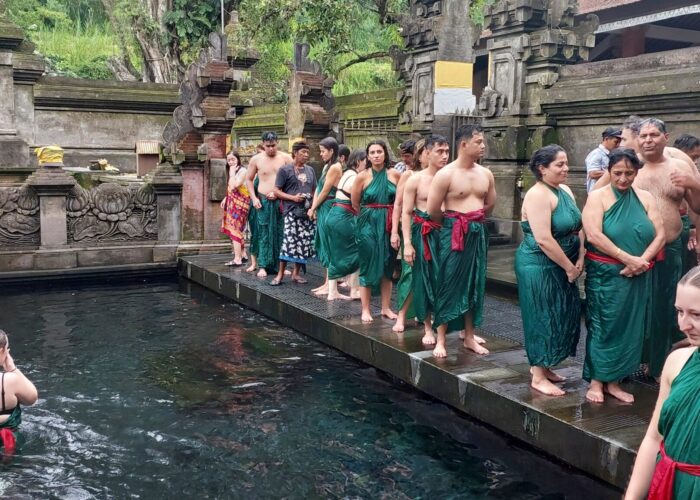
Ubud, nestled in the heart of Bali, Indonesia, is a serene and culturally rich town known for its lush greenery, vibrant arts scene, and spiritual ambiance. The town is surrounded by terraced rice paddies, dense jungles, and ancient temples, offering a tranquil escape from the bustling tourist spots elsewhere on the island. Ubud is renowned for its traditional Balinese culture, with numerous art galleries, craft shops, and markets that showcase local artisans’ work. Visitors can explore the Ubud Monkey Forest, a sanctuary home to hundreds of playful monkeys and sacred temples, or take a leisurely walk through the Campuhan Ridge, which provides breathtaking views of the landscape.
In addition to its natural beauty, Ubud is a hub for wellness and spiritual retreats. It is dotted with yoga studios, meditation centers, and holistic spas, making it a perfect destination for those seeking relaxation and rejuvenation. The town also hosts various cultural performances, including traditional dance and music shows that reflect Bali’s rich heritage. Culinary enthusiasts can indulge in Ubud’s diverse food scene, which ranges from traditional Balinese cuisine to innovative, health-focused restaurants. With its harmonious blend of nature, culture, and spirituality, Ubud offers a unique and enriching experience for travelers.
Mongkey forest ubud
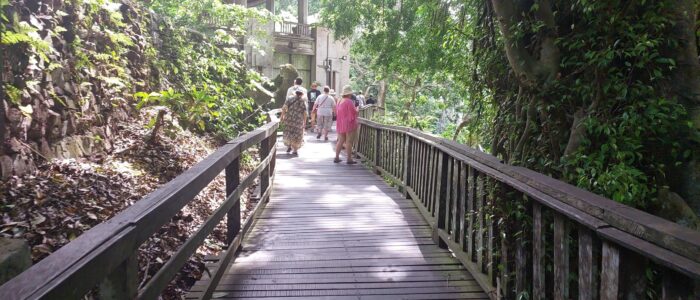
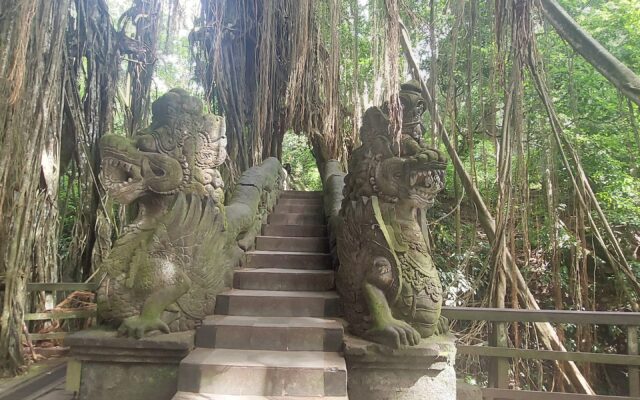
Monkey Forest in Ubud, Bali, is a renowned sanctuary for the long-tailed macaques, offering visitors a unique opportunity to observe these fascinating creatures in their natural habitat. However, amidst the lush greenery and playful antics of the monkeys lies a less charming aspect: the issue of monkey debt. Over the years, some of the monkeys have developed a habit of snatching items such as hats, sunglasses, and even food from unsuspecting tourists. When these items are not promptly returned, the monkeys engage in a form of bartering, exchanging the stolen goods for food. This behavior has led to the emergence of what locals colloquially refer to as “monkey debt,” where tourists find themselves negotiating with the monkeys to retrieve their belongings.
Despite efforts by authorities to discourage such interactions and educate visitors on responsible behavior around the monkeys, instances of monkey debt persist. The phenomenon highlights the complex dynamics between humans and wildlife in tourist hotspots like Ubud. While the monkeys’ behavior may seem amusing at first glance, it underscores the importance of respecting the boundaries of wildlife habitats and adopting responsible tourism practices to ensure the well-being of both humans and animals alike.
Batuan temple
Located in the village of Batuan, Bali, Pura Desa and Pura Puseh stand as cultural and spiritual landmarks deeply ingrained in the fabric of Balinese Hinduism. Pura Desa, or the Village Temple, serves as the focal point for communal worship and religious ceremonies within the village. It embodies the essence of Balinese architecture, with intricately carved stone structures and ornate gateways adorned with mythological figures and motifs. Here, the local community gathers to pay homage to the gods and ancestors, fostering a sense of unity and belonging that defines Balinese village life.
Adjacent to Pura Desa is Pura Puseh, the Temple of Origin, which holds special significance as the sacred site dedicated to the worship of the village’s founding ancestors. This temple is revered as the spiritual birthplace of the community, where rituals are performed to honor the lineage of the village and seek blessings for prosperity and protection. The architecture and symbolism found within Pura Puseh reflect the deep reverence and devotion of the Balinese people towards their cultural heritage and spiritual traditions, making it not only a place of worship but also a repository of history and identity for the village of Batuan.
Tegenungan waterfall
Tegenungan Waterfall, nestled amidst the lush greenery of Bali’s tropical landscape, is a breathtaking natural wonder that captivates visitors with its sheer beauty and tranquil ambiance. Located in the village of Tegenungan, Gianyar Regency, this cascading waterfall is a popular destination for both locals and tourists seeking respite from the island’s heat and hustle.
As visitors approach the waterfall, they are greeted by the soothing sound of rushing water and the refreshing mist that permeates the air. The sight of the cascading water, tumbling down from a height of approximately 15 meters into a natural pool below, is truly mesmerizing. Surrounded by dense foliage and towering palm trees, Tegenungan Waterfall creates a picturesque setting that invites exploration and relaxation.
Travelers often take the opportunity to swim in the cool, crystal-clear waters of the pool, offering a refreshing escape from the tropical heat. Additionally, the area surrounding the waterfall is dotted with scenic viewpoints and shaded spots, perfect for picnics or simply taking in the serene atmosphere.
Tegenungan Waterfall is not only a natural wonder but also a cultural and spiritual site, with nearby temples and traditional Balinese structures adding to its allure. Whether it’s for a leisurely swim, a scenic hike, or simply to immerse oneself in the beauty of nature, a visit to Tegenungan Waterfall promises a memorable experience amidst Bali’s enchanting landscapes.
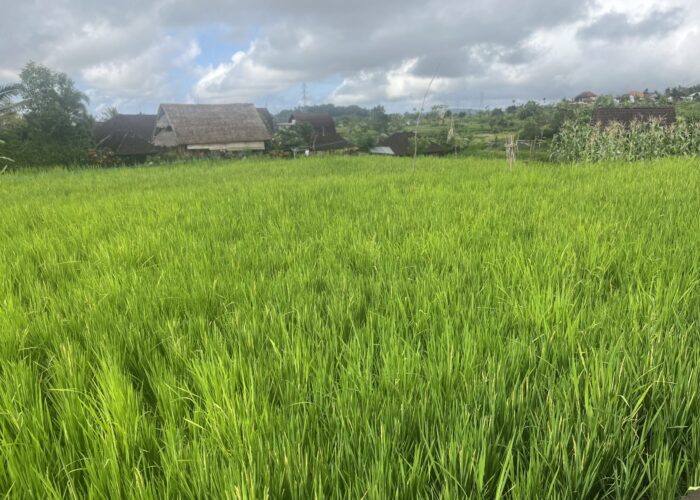
Tegallalang rice terrace
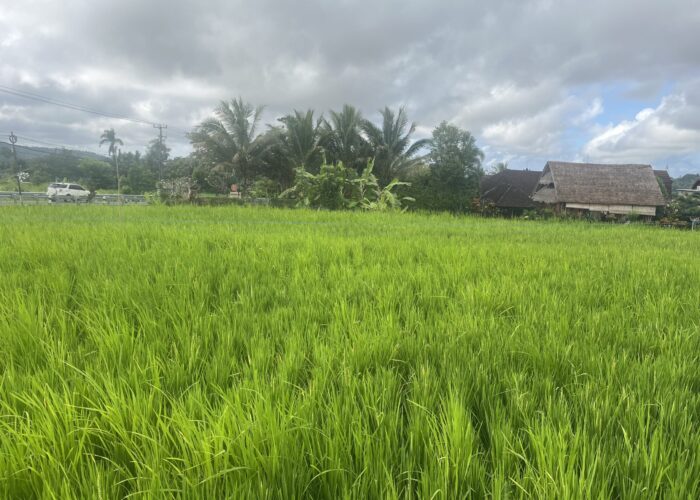
Tegallalang Rice Terraces, situated in the heart of Bali’s cultural landscape, are a testament to the island’s rich agricultural heritage and stunning natural beauty. Carved into the rolling hillsides near the village of Tegallalang, these iconic terraces showcase the intricate and centuries-old Subak irrigation system, a UNESCO World Heritage Site that reflects Bali’s harmonious relationship between humans and nature.
As visitors wander through the verdant expanses of Tegallalang, they are treated to panoramic views of tiered rice paddies cascading down the hillsides like emerald-green stairs. The interplay of sunlight and shadow creates a mesmerizing tapestry of textures and hues, making it a paradise for photographers and nature enthusiasts alike.
Beyond its visual splendor, Tegallalang Rice Terraces offer a glimpse into the traditional farming practices that have sustained Bali’s agrarian communities for generations. Visitors can witness local farmers tending to the fields with age-old techniques, cultivating rice, vegetables, and other crops in harmony with the rhythm of the seasons. Additionally, quaint cafes and handicraft stalls dot the landscape, providing opportunities to savor local cuisine and purchase handmade souvenirs crafted by skilled artisans.
A visit to Tegallalang Rice Terraces is not just a journey through breathtaking scenery but also a cultural immersion into the timeless traditions and vibrant way of life that define rural Bali. It’s a place where visitors can reconnect with nature, gain insight into traditional farming practices, and experience the timeless beauty of the island’s countryside.
For any inquiries or to arrange a cash-on-delivery payment, please reach out to our customer service team, available 24/7.
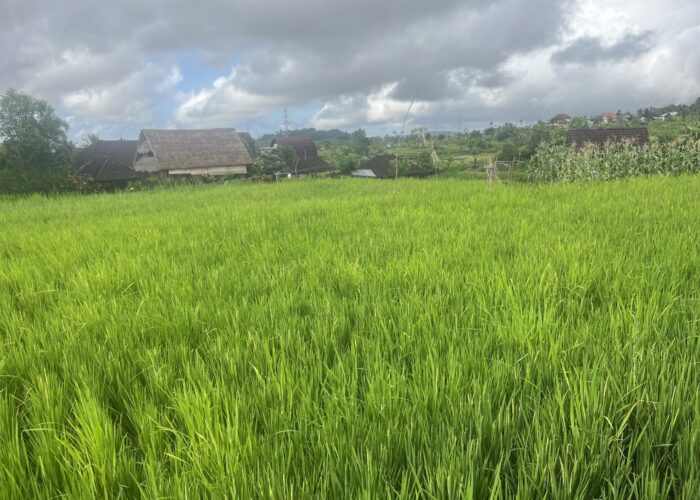
Lempuyang Temple, known as Pura Lempuyang Luhur, is one of Bali’s oldest and most sacred temples, located on the slopes of Mount Lempuyang in East Bali. The temple is renowned for its stunning gateway, often referred to as the “Gates of Heaven,” which perfectly frames the majestic Mount Agung in the background on clear days. This iconic view has become a popular spot for photography, attracting visitors from around the world who seek to capture its ethereal beauty. The temple complex comprises seven sanctuaries, each requiring a hike to reach, offering a serene and spiritually uplifting experience.
The journey to Pura Lempuyang Luhur is an adventure in itself, as it involves climbing over 1,700 steps through lush tropical forests, with panoramic views of the surrounding landscape. Along the way, visitors can encounter various smaller temples and shrines, each with its own unique charm and spiritual significance. The area around Lempuyang Temple is also rich in natural beauty, with nearby attractions such as Tirta Gangga, a royal water palace known for its ornate gardens and water features, and the serene rice terraces of Tenganan Village. This combination of cultural heritage and natural splendor makes a tour of Pura Lempuyang and its surroundings a memorable and enriching experience.
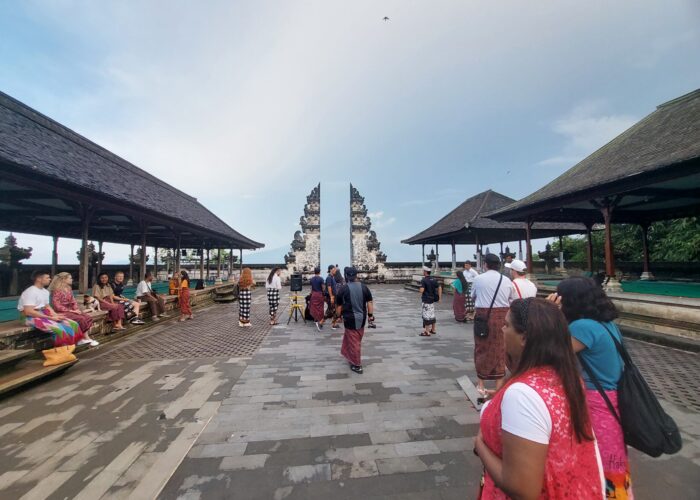
Pura lempuyang ( heaven’s gate)
Pura Lempuyang, nestled in the lush forests of eastern Bali, holds a sacred place in the hearts of Balinese Hindus and is renowned for it
s iconic “Gates of Heaven” (Pura Penataran Agung Lempuyang). Legend has it that this temple complex, comprising several smaller temples spread across the slopes of Mount Lempuyang, dates back over a thousand years and is one of Bali’s oldest and holiest sites. According to local mythology, the temple was established by the sage Mpu Kuturan, who imbued it with spiritual significance and mystical energy.
One of the most captivating features of Pura Lempuyang is the series of stone gates that lead up to the main temple complex, culminating in the famous Gates of Heaven. These towering gates frame a breathtaking view of Mount Agung, Bali’s highest and most sacred volcano, creating an illusion of a stairway to the heavens. Many visitors come to Pura Lempuyang not only to seek spiritual blessings but also to capture the iconic image of themselves framed within the gates, symbolizing a connection between the earthly realm and the divine.
Despite its remote location and the challenging ascent up hundreds of steps, pilgrims and tourists alike flock to Pura Lempuyang to experience its profound spiritual energy and immerse themselves in the tranquility of the surrounding forest. The temple complex is a place of prayer, meditation, and reflection, where visitors can connect with the ancient traditions and rituals that have been passed down through generations. As the gentle aroma of incense fills the air and the sounds of chanting echo through the forest, Pura Lempuyang remains a timeless sanctuary, offering solace and inspiration to all who journey there in search of enlightenment and inner peace.
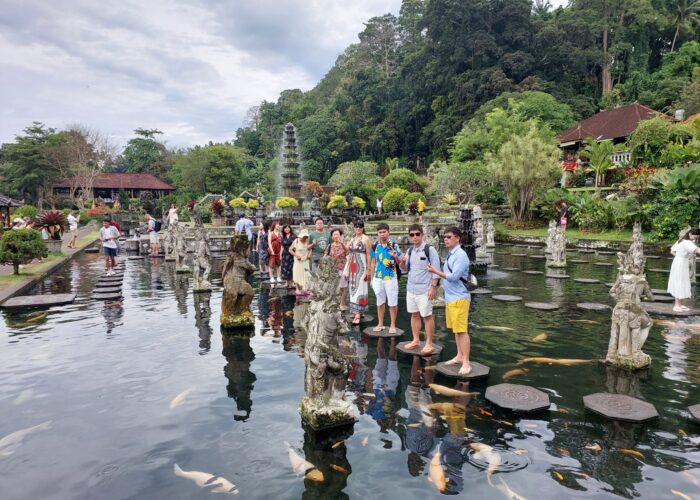
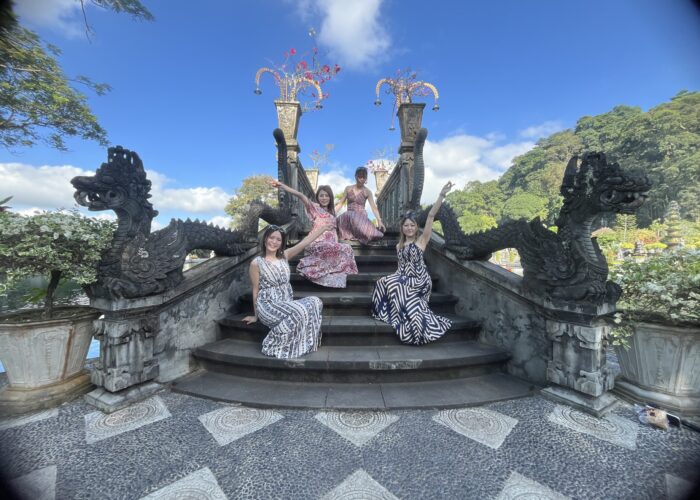
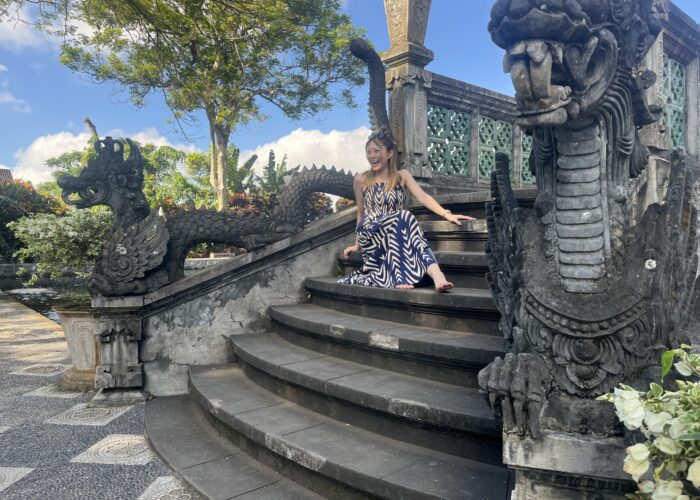
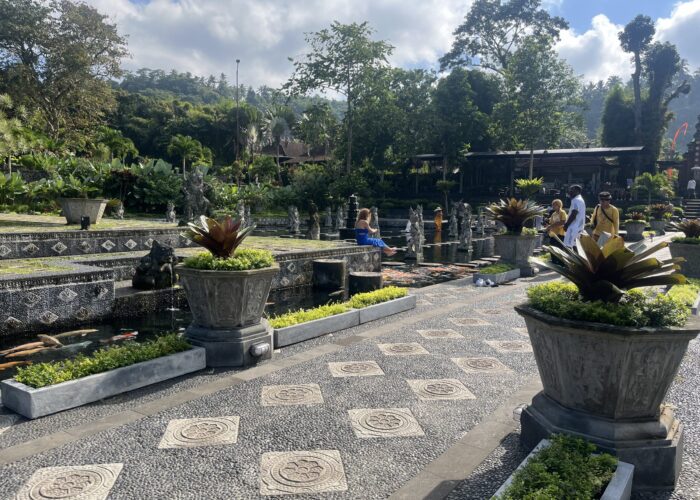
Taman tirta gangga ( Royal Water palace )
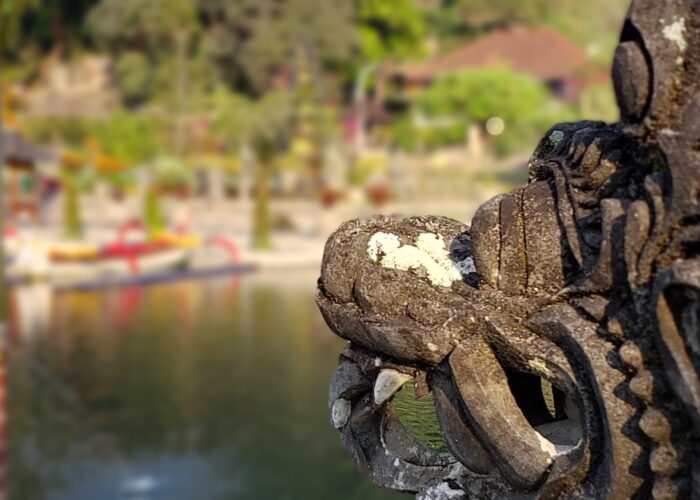
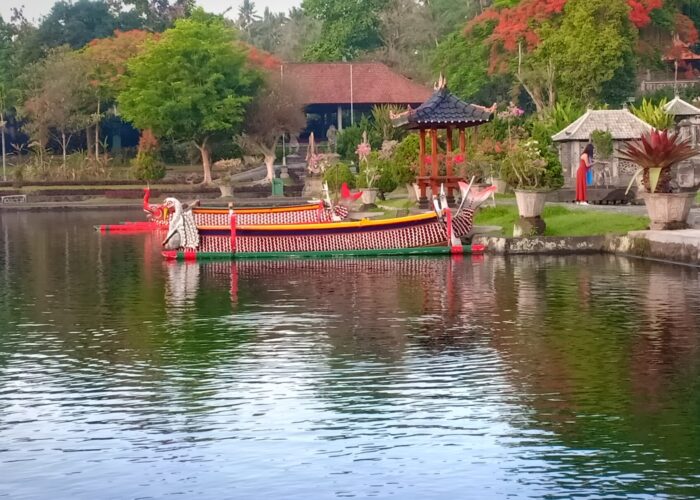
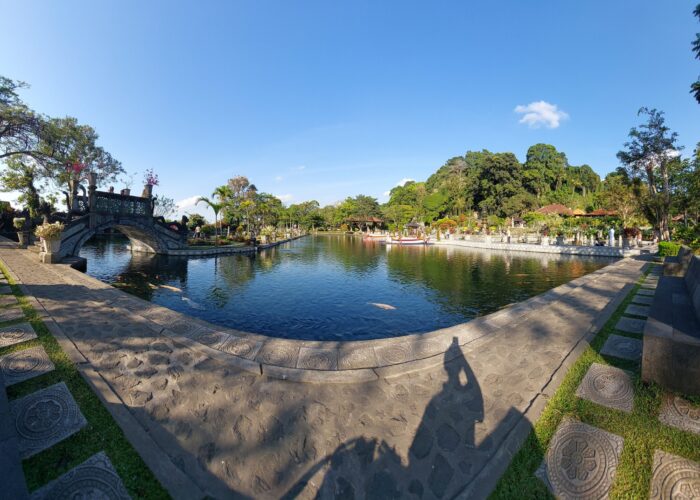
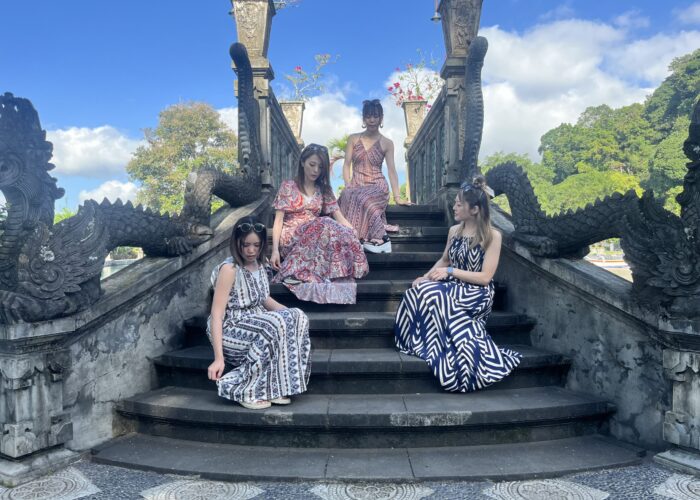
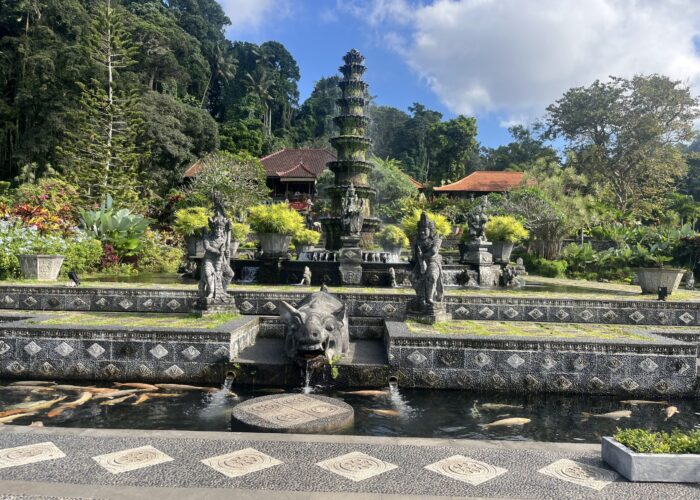
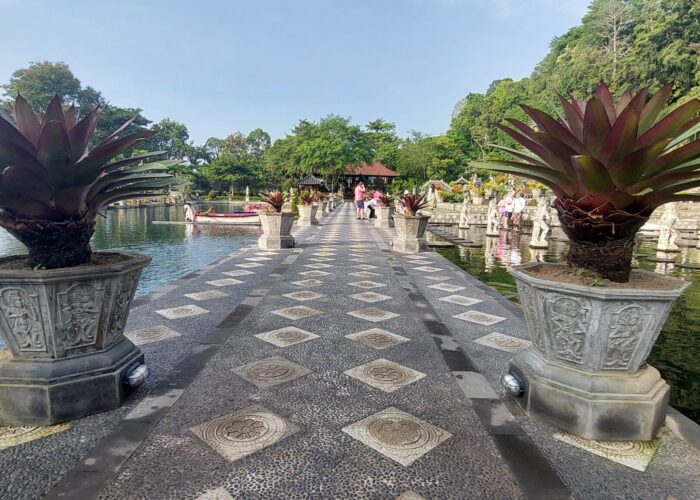
Tirta Gangga, nestled in the lush countryside of East Bali, is a captivating oasis renowned for its intricate water gardens and serene ambiance. Translating to “Water of the Ganges,” this royal water palace was built in the early 20th century by the Karangasem royal family and is steeped in both historical significance and natural beauty. The palace complex features a series of pools, ponds, and fountains adorned with ornate statues and stone carvings, creating a tranquil sanctuary where visitors can relax and rejuvenate amidst the soothing sounds of flowing water and the lush greenery that surrounds them.
One of the highlights of Tirta Gangga is its iconic tiered fountain, where water cascades down from one level to another, symbolizing the cycle of life and the importance of harmony and balance. Visitors can stroll through the meticulously landscaped gardens, crossing over ornate bridges and pathways that lead to hidden alcoves and quiet corners perfect for contemplation. The palace grounds also offer stunning views of the surrounding rice terraces and Mount Agung, Bali’s highest volcano, adding to the enchanting allure of this magical place. Whether seeking a peaceful retreat or an opportunity to explore Bali’s rich cultural heritage, Tirta Gangga promises an unforgettable experience immersed in natural beauty and tranquility.
Sibetan rice terrace
Sibetan, a charming village nestled amidst the verdant landscapes of East Bali, is renowned for its picturesque rice terraces that cascade down the slopes of Mount Agung. These terraces, known as the Sibetan Rice Fields, are a testament to the ingenuity and perseverance of the local farmers who have sculpted the land into a patchwork of vibrant green fields over centuries. Visitors to Sibetan are greeted by the sight of terraced hillsides adorned with lush rice paddies, where the vibrant hues of the crops contrast against the deep blue skies and the towering silhouette of Mount Agung in the distance.
The Sibetan Rice Fields not only serve as a breathtaking backdrop for photography and exploration but also play a vital role in the local community’s livelihood and cultural heritage. Agriculture is the heart and soul of Sibetan, with rice cultivation being the primary source of income for many families. Visitors can witness traditional farming practices firsthand, as farmers tend to their fields using age-old techniques passed down through generations. Beyond their scenic beauty, the Sibetan Rice Fields offer a glimpse into Bali’s rural way of life and the symbiotic relationship between the people, the land, and the timeless rhythms of nature.
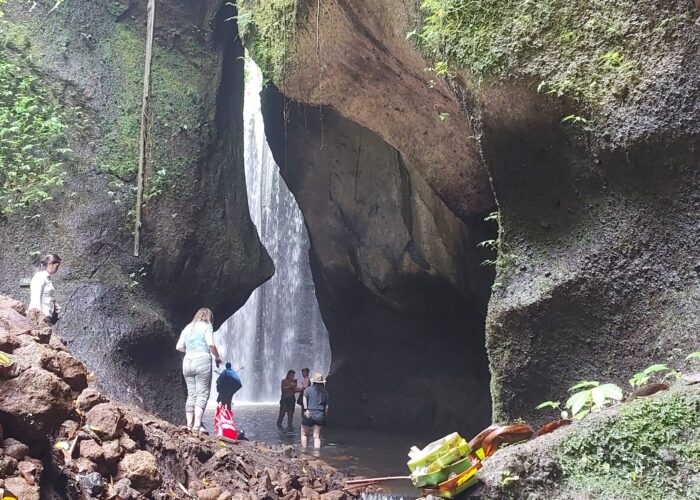
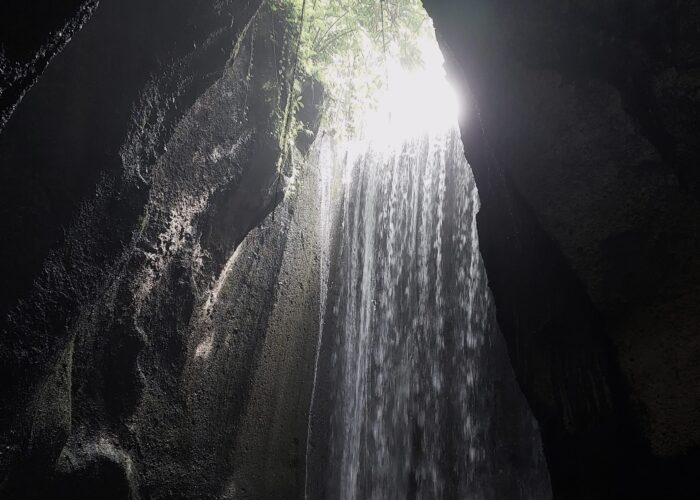
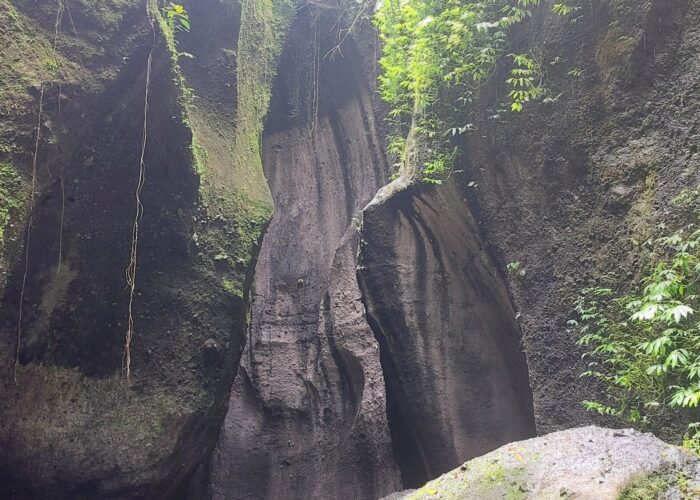
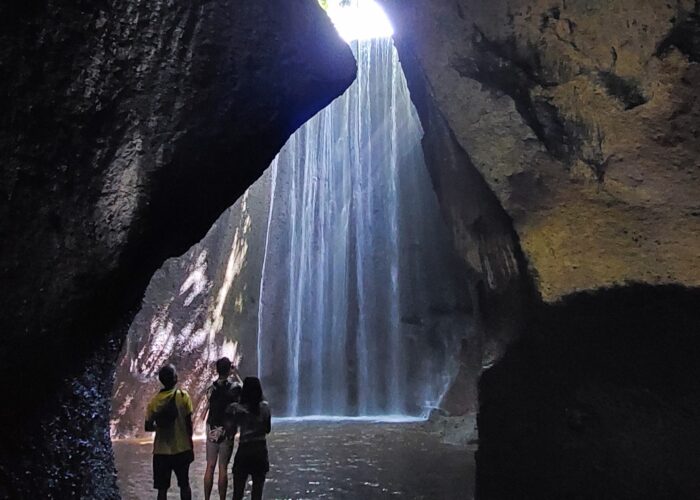
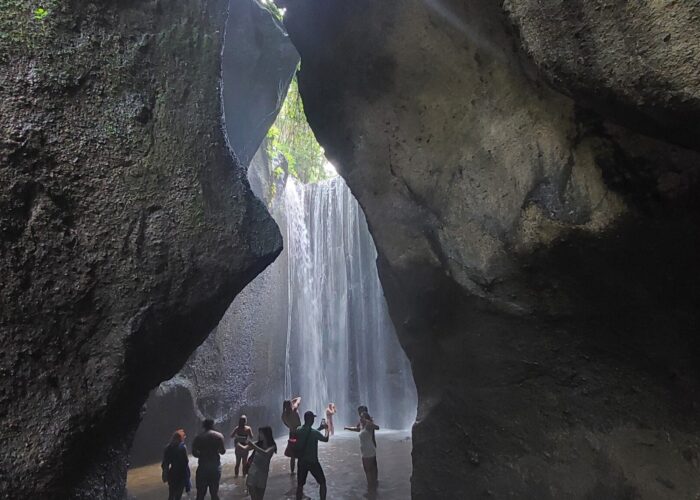
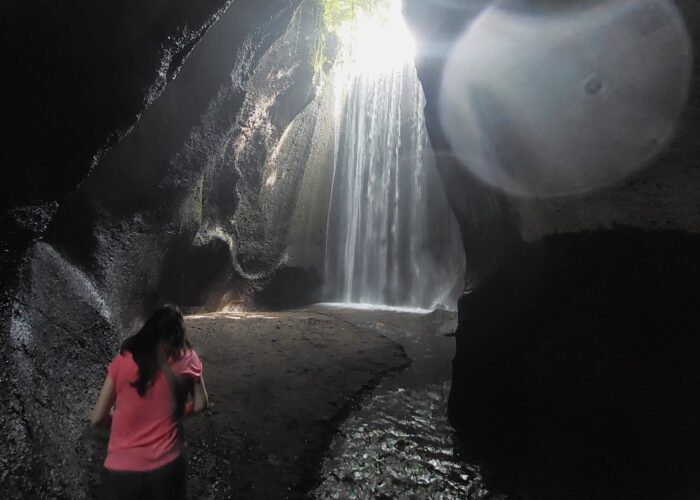
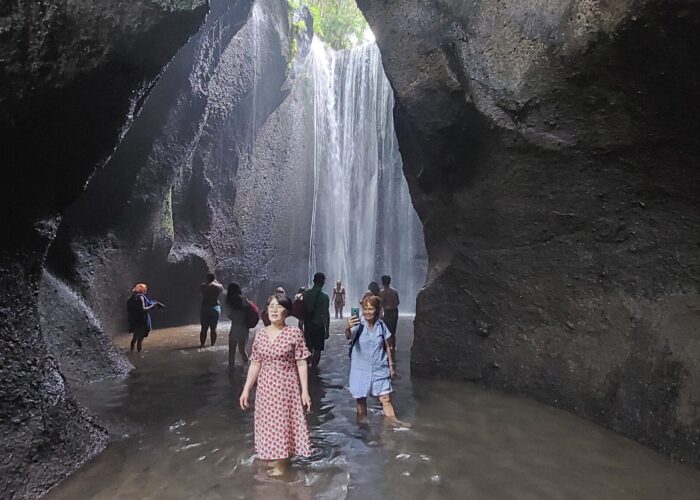
Tukad cepung waterfall
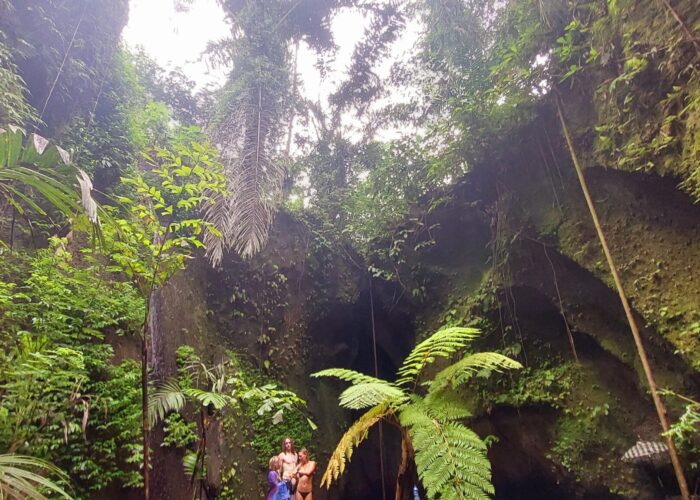
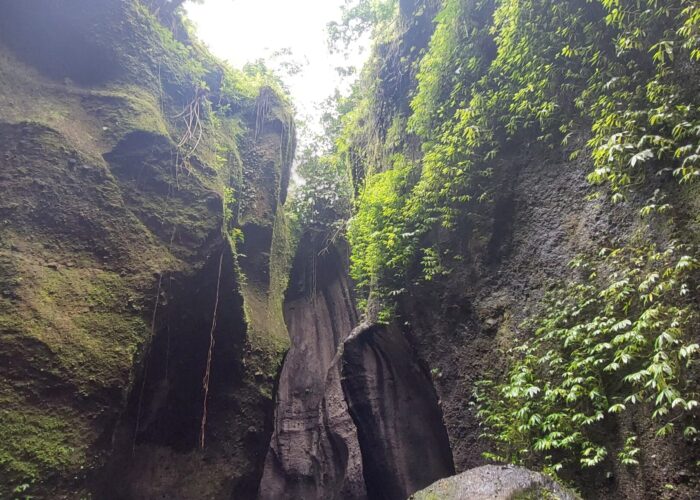
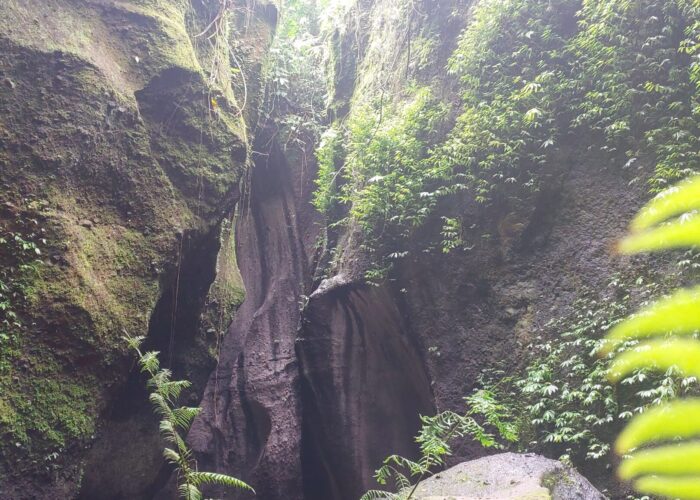
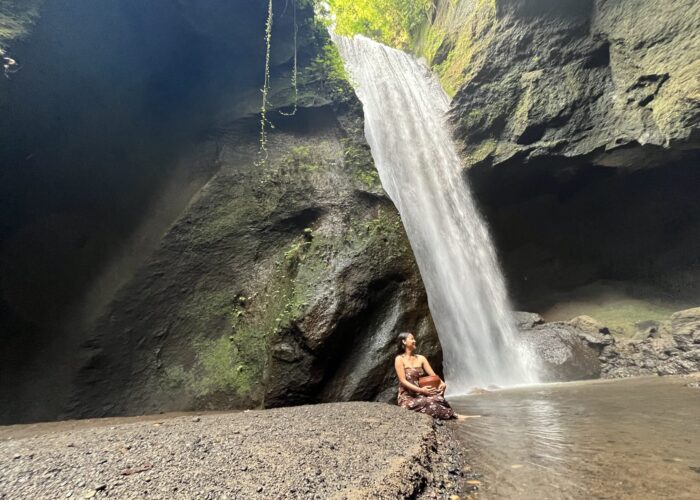
Tukad Cepung Waterfall, hidden deep within a rugged canyon in the heart of Bali, offers a truly enchanting and mystical experience for adventurers and nature lovers alike. To reach this hidden gem, visitors embark on a short trek through lush jungle foliage, following a meandering path that leads to the entrance of the canyon. As they venture deeper into the canyon, the sound of rushing water grows louder, building anticipation for the spectacular sight that awaits.
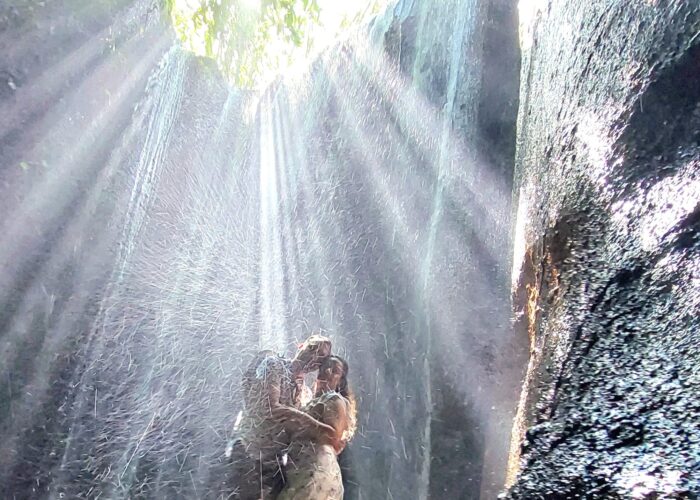
Upon arriving at Tukad Cepung Waterfall, visitors are greeted by a mesmerizing cascade of water plunging through an opening in the towering cliffs above, creating a natural curtain that shrouds the cavern in mist and refracted sunlight. The waterfall’s pristine waters plummet into a crystal-clear pool below, surrounded by moss-covered rocks and verdant vegetation, creating a serene oasis of tranquility amidst the rugged terrain. Tukad Cepung’s ethereal beauty and secluded location make it a hidden paradise, offering a magical escape from the hustle and bustle of everyday life and a chance to connect with the raw power and timeless allure of nature.
For any inquiries or to arrange a cash-on-delivery payment, please reach out to our customer service team, available 24/7.
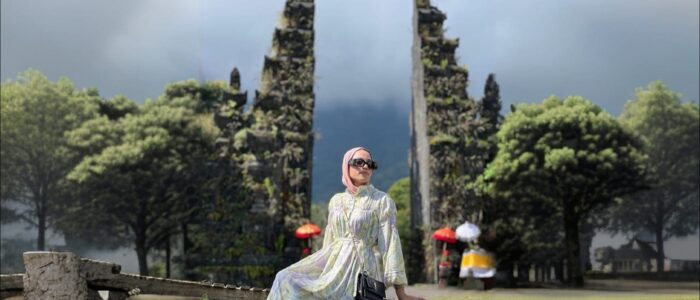
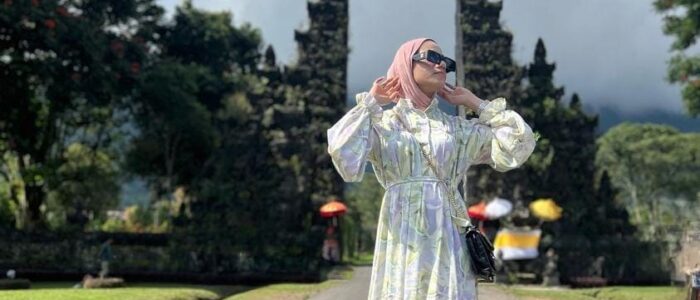
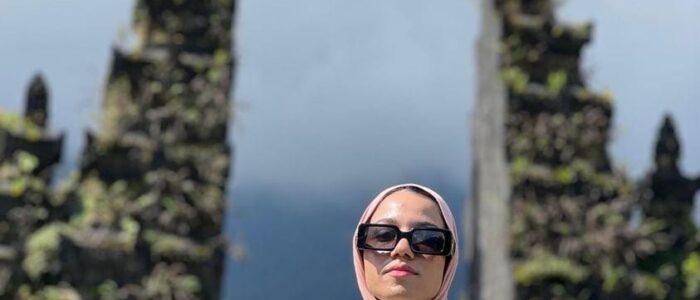
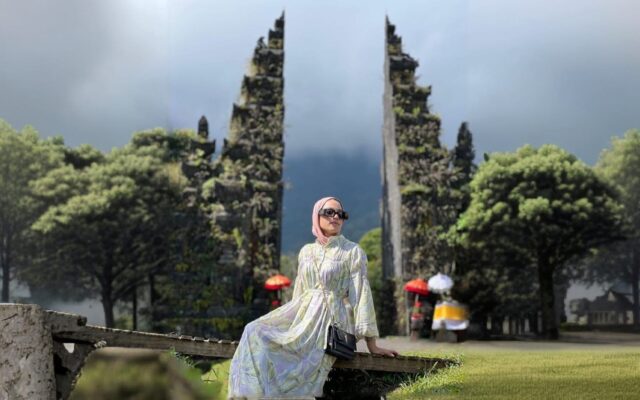
Handara Gate is an iconic gateway located in the mountainous region of Bedugul, Bali, Indonesia. Originally the entrance to Handara Golf & Resort Bali, it has become a popular tourist spot, especially for photography. The gate features traditional Balinese architecture, with two towering, symmetrically designed structures adorned with intricate carvings, resembling a grand temple gate known as a “candi bentar.”
The surrounding scenery of Handara Gate is breathtaking, with lush green mountains, mist-covered landscapes, and cool, crisp air. The serene and peaceful atmosphere often gives visitors a sense of being in a mystical place. Handara Gate gained widespread popularity on social media due to its stunning beauty, especially when photographed against the backdrop of misty mountains or during sunrise.

Handara gate
Handara Gate, also known as the Handara Golf Gate, stands as a breathtaking icon of Bali’s natural beauty, nestled amidst the majestic mountains of the Pancasari village in Bedugul, Indonesia. This gate captivates with its distinctive architecture, blending traditional Balinese elements with a touch of mystique. Surrounded by lush greenery and towering mountains, the Handara Gate creates a mesmerizing vista, making it a highly sought-after destination for visitors seeking to capture the magical and spiritual essence of the Island of the Gods.
Ulun danau beratan temple
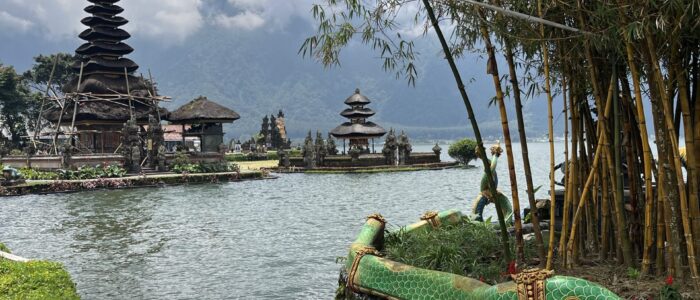
Pura Ulun Danu Beratan, gracefully situated on the shores of Lake Bratan in the highlands of Bedugul, Bali, is a sacred water temple complex that embodies the island’s spiritual essence. Its serene setting against the backdrop of the misty mountains and the tranquil lake creates an aura of peace and tranquility. The temple complex, dedicated to Dewi Danu, the Balinese water goddess, is a masterpiece of traditional Balinese architecture, characterized by tiered pagoda-style roofs adorned with intricate carvings and vibrant colors. Surrounded by well-manicured gardens and lush vegetation, Pura Ulun Danu Beratan exudes an ethereal beauty, inviting visitors to immerse themselves in its spiritual ambiance and contemplate the harmonious relationship between humans and nature.
At Pura Ulun Danu Beratan, visitors not only witness the architectural brilliance of the temple but also partake in centuries-old rituals and ceremonies that honor Dewi Danu and express gratitude for the abundant water supply she provides to the island. The temple complex is not only a place of worship but also a symbol of Bali’s cultural identity and the inseparable connection between religion, landscape, and daily life. Whether shrouded in the early morning mist or basking in the golden light of sunset, Pura Ulun Danu Beratan remains a timeless beacon of spirituality and reverence, drawing pilgrims and travelers alike to its sacred grounds in search of solace and serenity.
Taman ayun Temple
Pura Taman Ayun, nestled in the serene countryside of Mengwi, Bali, stands as a majestic testament to the island’s rich cultural heritage and architectural brilliance. This royal water temple, built in the 17th century by the Mengwi dynasty, is renowned for its exquisite garden landscapes and intricate temple structures. Enclosed within vast, manicured gardens and surrounded by a tranquil moat, Pura Taman Ayun exudes an aura of serenity and grandeur, inviting visitors to explore its sacred grounds and marvel at its beauty.
The temple’s architectural design, characterized by tiered shrines, ornate gates, and intricate stone carvings, reflects the traditional Balinese style of temple construction and the cultural significance of water in Balinese Hinduism. As visitors wander through the temple complex, they encounter lush greenery, tranquil ponds, and ancient structures steeped in history and spirituality. Pura Taman Ayun serves not only as a place of worship but also as a cultural landmark where visitors can immerse themselves in Bali’s rich traditions and contemplate the island’s deep spiritual connection to nature and the divine.
Tanah lot temple
Pura Tanah Lot, perched dramatically on a rocky outcrop amidst the crashing waves of the Indian Ocean, is one of Bali’s most iconic and revered sea temples. Its name, which translates to “Land in the Sea” in Balinese, perfectly encapsulates its breathtaking location and spiritual significance. Dating back to the 16th century, this temple is dedicated to the sea gods, particularly Dewa Baruna, the ruler of the seas, and is believed to guard the island from evil spirits and intruders. As the sun sets, casting a golden glow over the temple and the surrounding ocean, Pura Tanah Lot becomes a captivating sight, attracting visitors from around the world who come to witness its beauty and experience its mystical ambiance.
The temple complex is not only a place of worship but also a cultural and natural wonder, surrounded by stunning coastal scenery and rugged cliffs. Visitors can explore the intricately carved shrines, pavilions, and sea caves that dot the area, each telling stories of Bali’s rich mythology and history. During low tide, adventurous souls can even walk across the rocky causeway to reach the temple, offering a unique perspective of this sacred site. Throughout the year, Pura Tanah Lot hosts colorful ceremonies and festivals, where locals and visitors come together to pay homage to the sea gods, offer prayers for prosperity and seek blessings for a safe journey ahead.
However, erosion and the relentless pounding of the waves pose ongoing challenges to the temple’s stability, leading to conservation efforts to preserve its heritage and protect it from the forces of nature. Despite these challenges, Pura Tanah Lot remains an enduring symbol of Bali’s spiritual and cultural identity, captivating the hearts and minds of all who visit with its timeless beauty and profound sense of reverence for the elements.
For any inquiries or to arrange a cash-on-delivery payment, please reach out to our customer service team, available 24/7.